When the Blitz Hits: a Year 4 cross-curricular topic
What would it take for a family to trust a complete stranger to look after their child?
Follow Walter and Edith Wiggins from the 1939 wireless announcement to evacuation, the Blitz and the Home Front, told through the letters in the class postbag.
Year 4Also suits Year 3
21Sections to teach
7Subjects, one story
HistoryLead subject
When the Blitz Hits, at a glance.
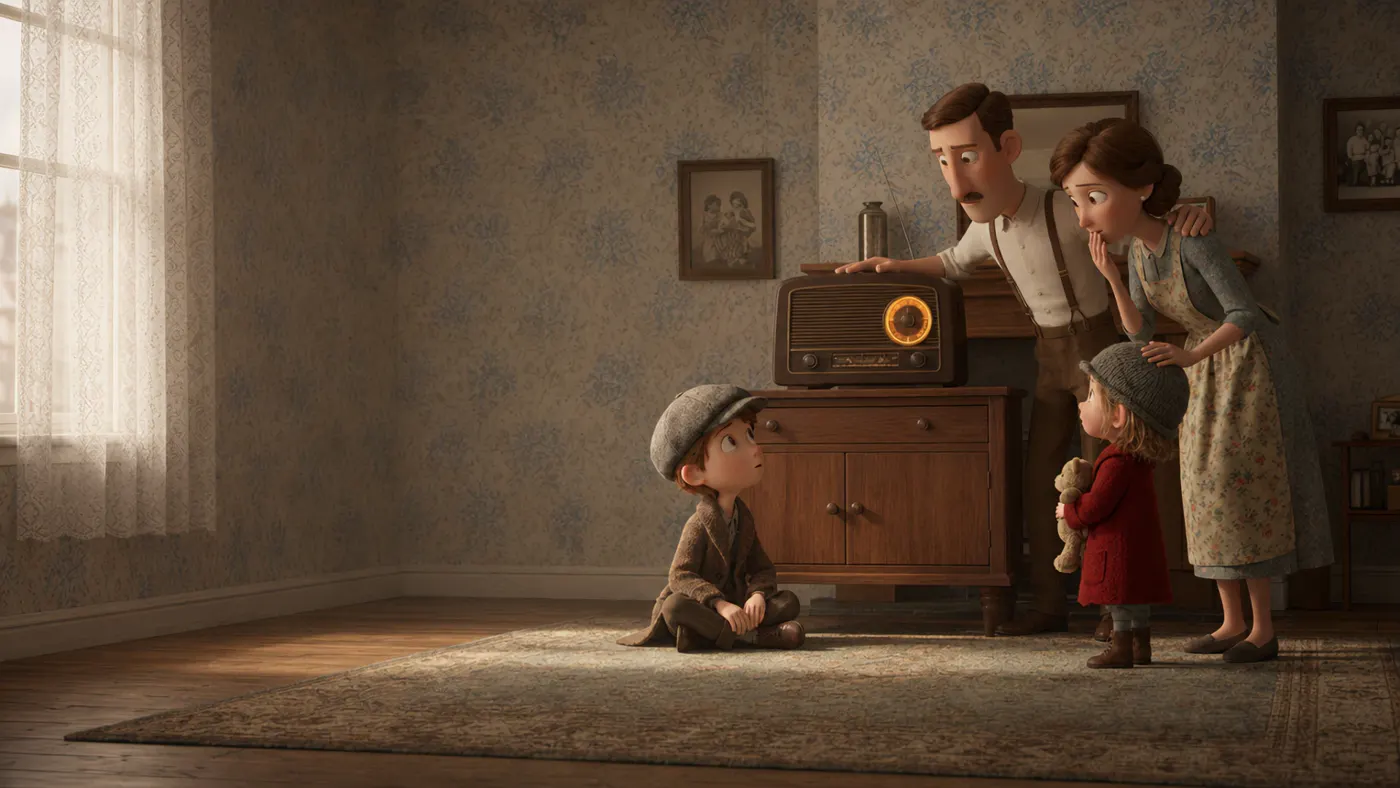
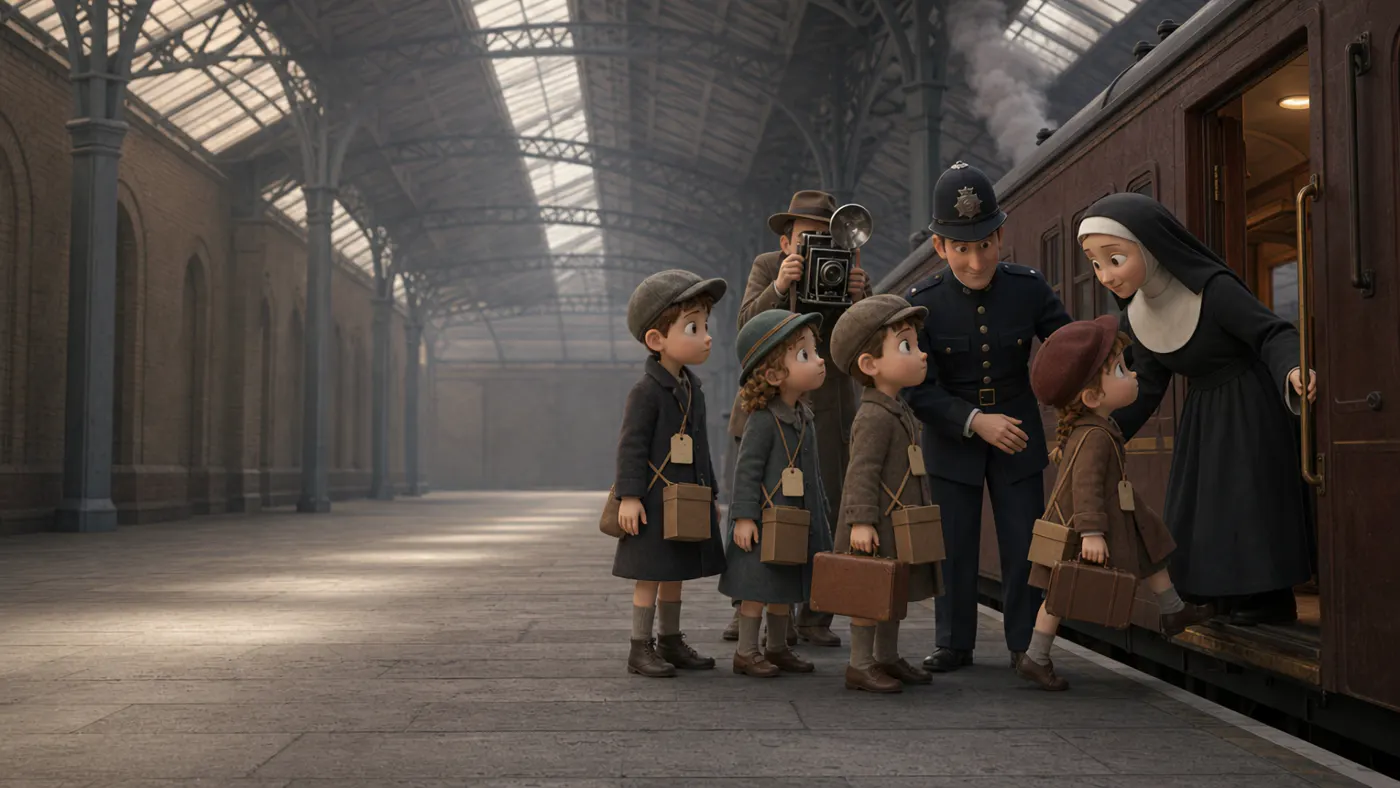
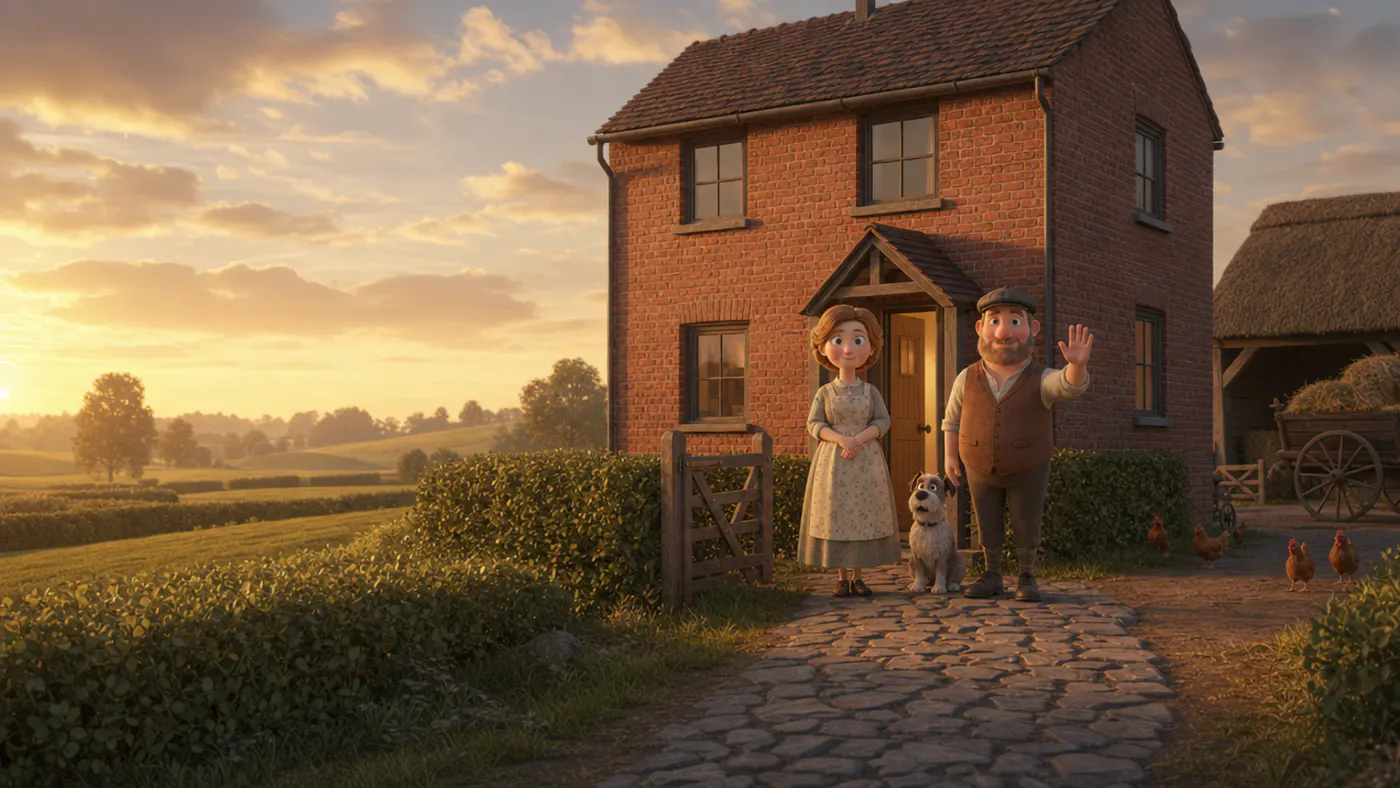
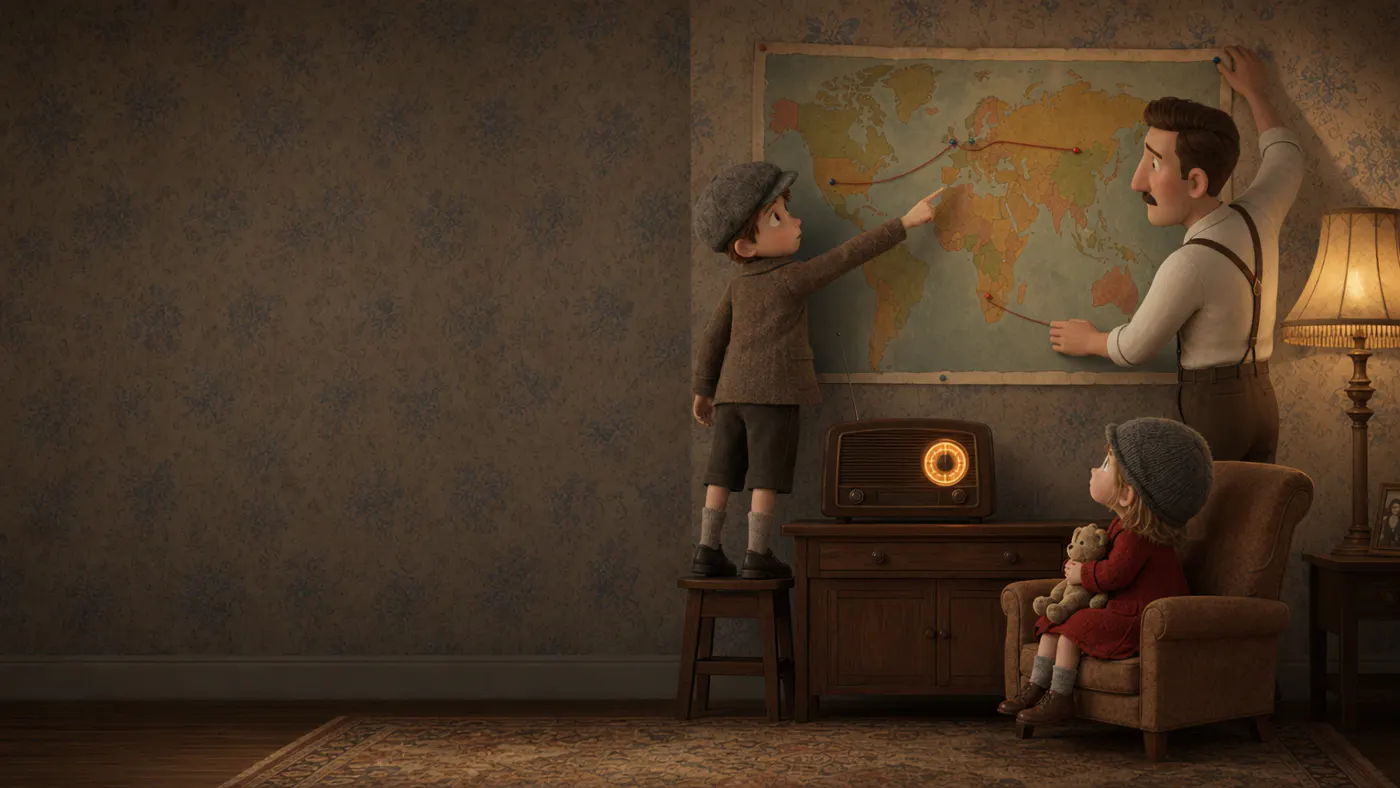
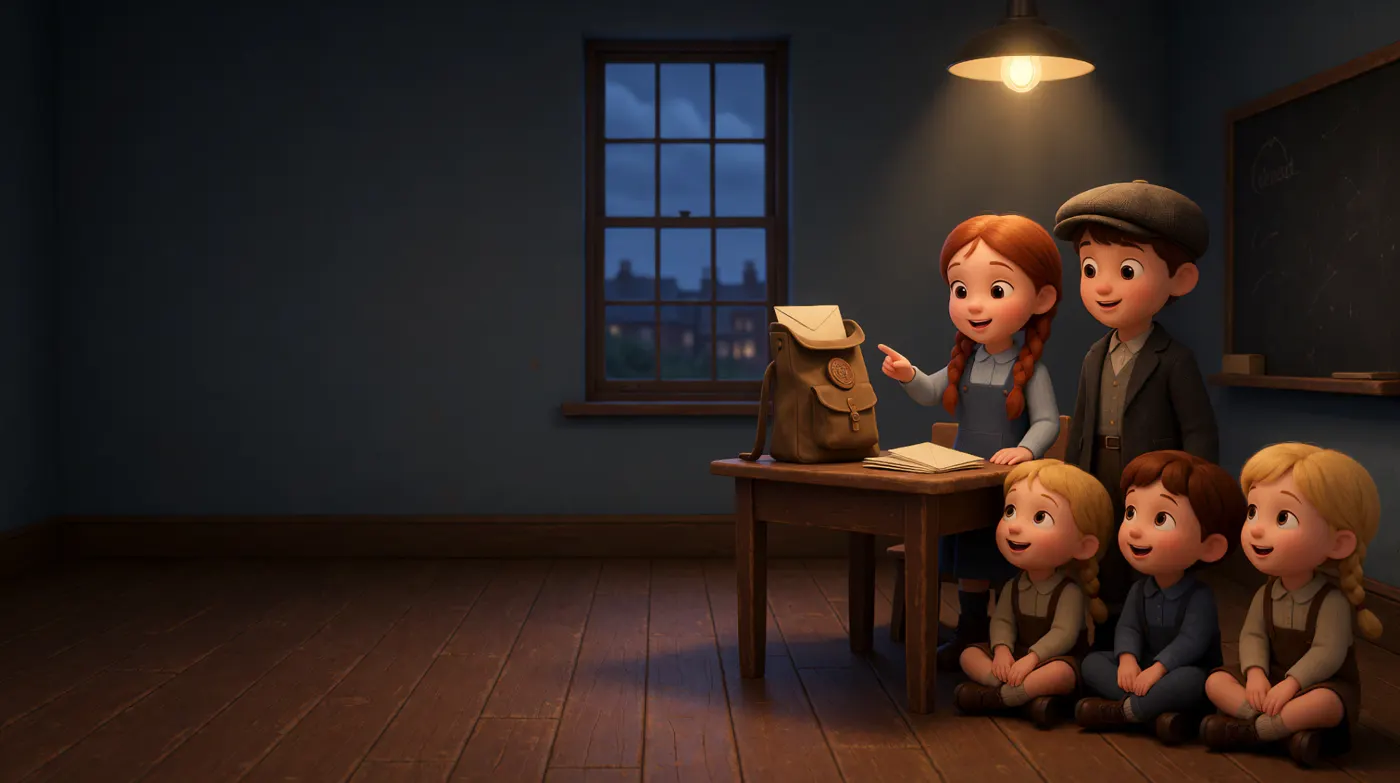
A Year 4 cross-curricular theme unit, led by History, built around one ordinary family and one canvas postbag. On 3 September 1939 the Wiggins family sit round the wireless in their London front room and hear that Britain is at war with Germany. Days later Walter, aged 10, and his sister Edith, aged 6, are labelled, given their gas masks and sent to a farm in Cheshire. A class postbag stays visible all unit and gains one of Walter's letters at the end of most History sections, six in all, and in the closing sections it becomes a digital postbag with a song of its own, Write to Me. Twenty-one sections across seven subjects. History follows the family from the wireless announcement to the question of whose war story we believe. Geography finds Britain, Germany and the Allies on real maps and teaches migration. Music composes for the people left behind, then learns and finishes the unit song. PSHE looks at coping with big changes and staying connected. Science tests the sound of a siren, which material makes the best blackout, and why shelters were damp. DT designs, builds and cooks. Computing charts a real ration book, then builds and shares a digital postbag. Three Big Questions are asked, with no right answers, as each third of the unit opens.
How the story unfolds.
Why send the children away?
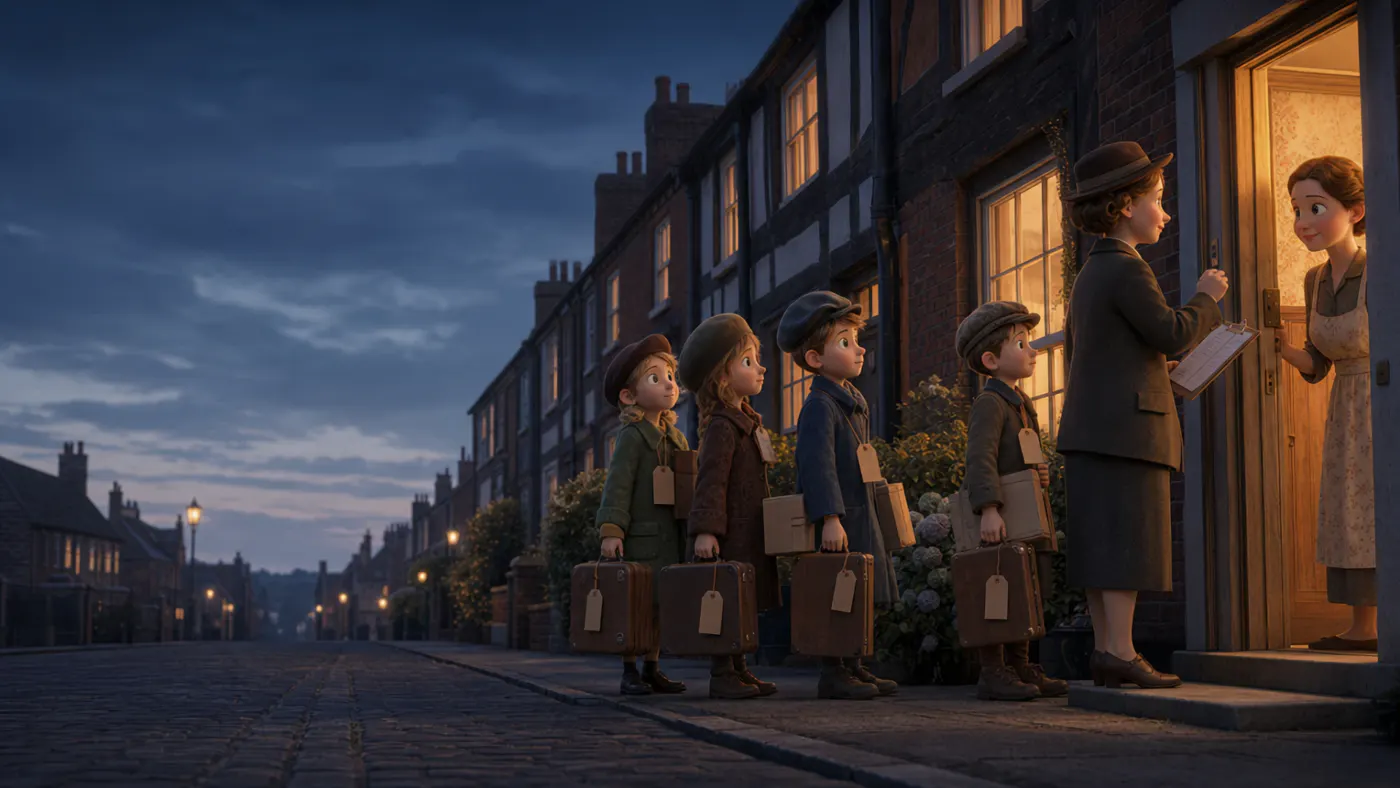
The first third asks why a child would be sent away, and what it feels like to be left behind. Big Question 1 is asked before anything is taught: what would it take for a family to trust a complete stranger to look after their child? History Section 1 opens in the front room with a real 1930s wireless and the genuine 3 September 1939 broadcast, and the first letter goes into the postbag. Geography Section 1 puts Britain, Germany and five more countries on real maps and teaches the word migration. History Section 2 tests a real station photograph and a real government poster with four questions, and History Section 3 traces evacuation back to a plan made years before the war, under the code name Operation Pied Piper. Music Section 1 turns the platform into sound for the people who stayed behind, and PSHE Section 1 names the feelings of a big change and the strategies that help.
What changed at home?
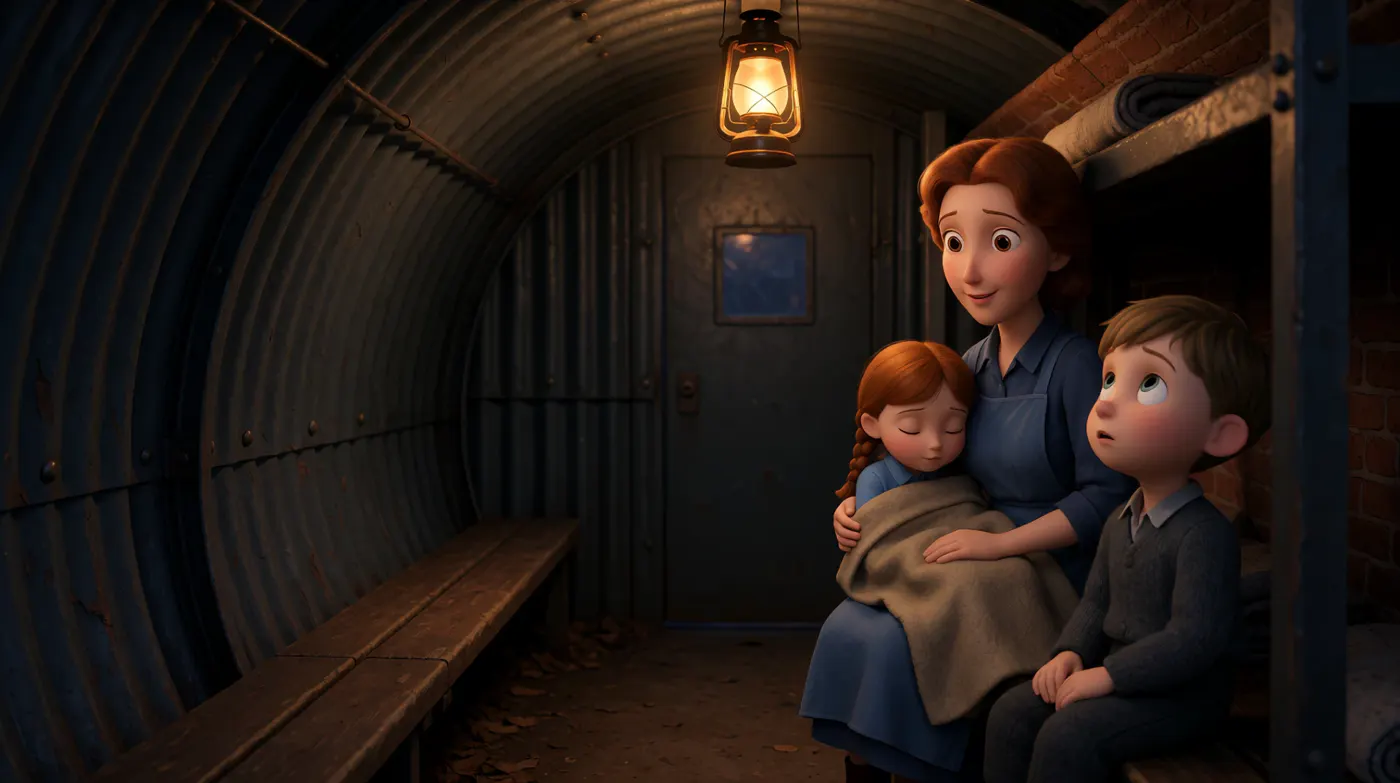
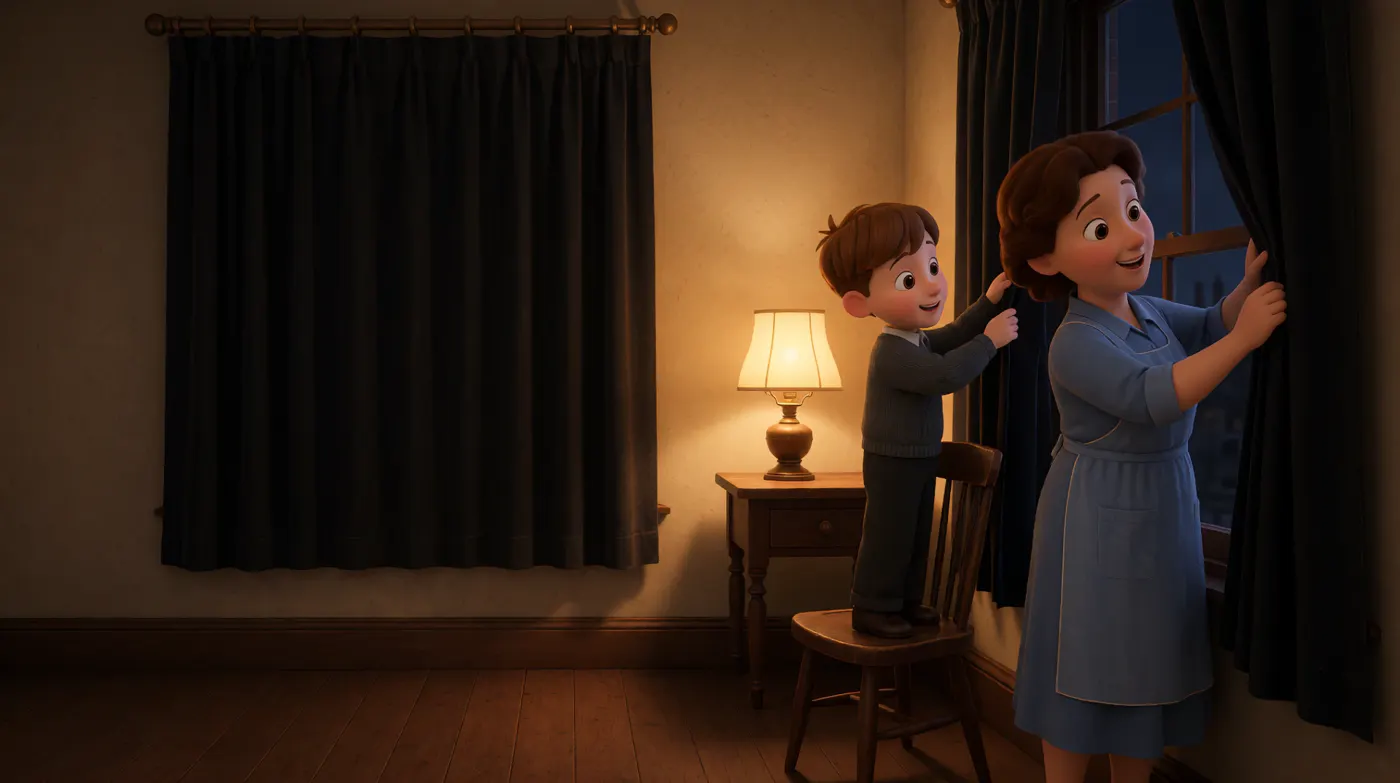
The middle third asks what changed at home, and how people found out what worked. Big Question 2 opens it: if a whole country has to change how it lives almost overnight, what decides which changes stick and which fade away? History Section 4 brings cousin Bertie from London, and with him the Blitz, the shelters, the blackout and the ration book. Science Section 1 hears a real air-raid siren and fair-tests how distance changes what we hear. Science Section 2 fair-tests five blackout materials, three times each. DT Section 1 researches the real Anderson shelter and designs one for Bertie's family, DT Section 2 builds it as a model, and Science Section 3 explains why real shelters so often felt damp, through solids, liquids, gases and condensation.
Whose war was it?
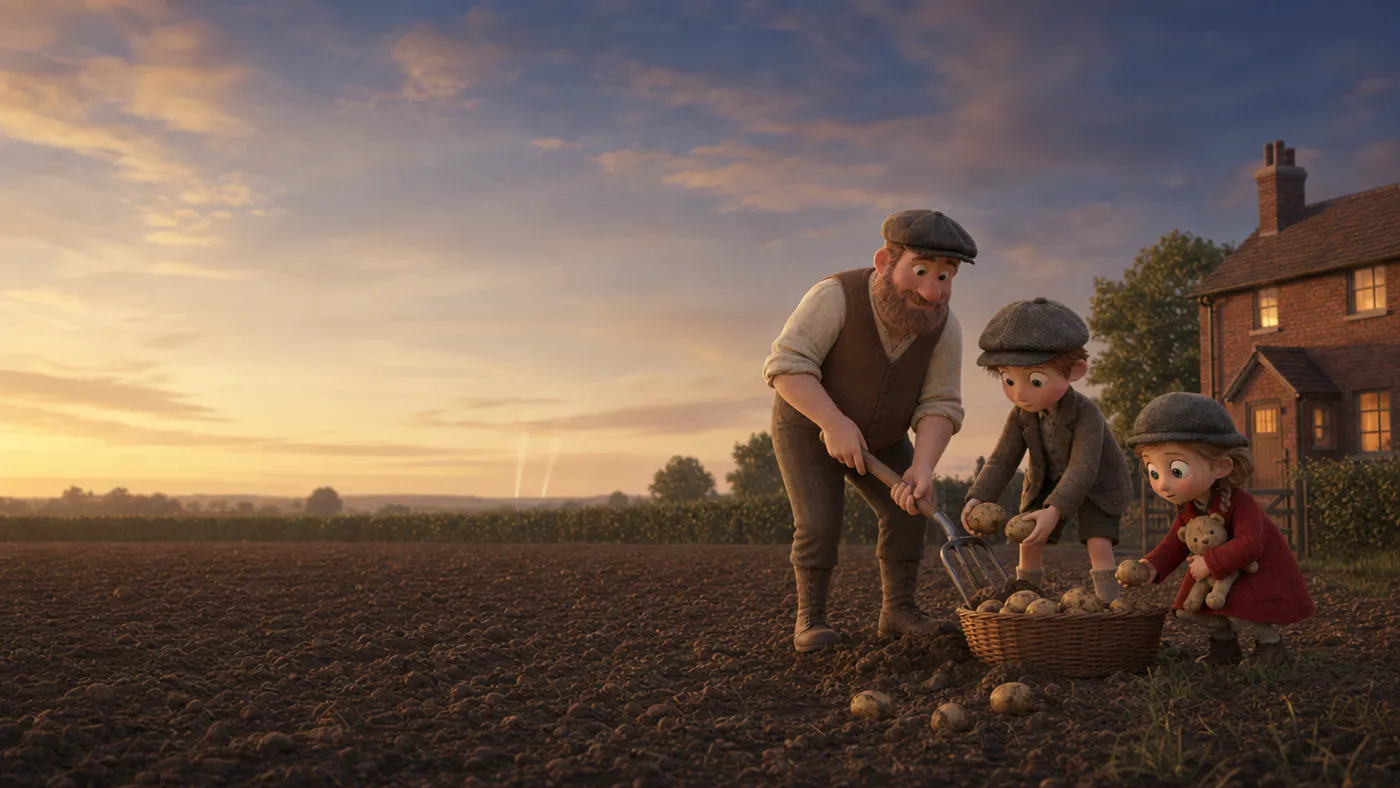
The final third asks how two people can live through the same war and tell very different stories. Big Question 3 opens it. History Section 5 compares Bertie's London with Walter and Edith's Cheshire. Music Section 2 learns the unit song, Write to Me, sung in Walter's voice, and PSHE Section 2 asks what is inside and outside our control and when to ask for help. Music Section 3 finishes the song with a bridge, an outro and an untuned percussion accompaniment. Computing Section 2 builds a page of the class's own digital postbag from text, an image and a sound, and Computing Section 3 judges it against a real audience, edits it and shares it. History Section 6 closes the unit: a government poster beside a real evacuee's memory, the sixth letter, and a final judgement on whose war story to believe.
7 subjects, one journey.
HistoryLead subject
Six sections, one per pillar, and the spine of the unit. Chronology on a scaled timeline and the overlap of 1941. Evidence, with four questions asked of a station photograph and a poster. Cause and Consequence, from the fear of bombing to Operation Pied Piper and the Blitz. Continuity and Change, on the Home Front: shelters, the blackout, the Land Army, Dig for Victory and rationing. Similarities and Differences, across London and Cheshire. And Perspectives and Interpretations, which sets the poster beside Margaret Corlett's real memory and turns the same test on the class's own invented letters.
Geography
One section. Britain, Germany and five more countries found on real maps with atlases, their capital cities, the English Channel, and the word migration: why people move, and which way children like Walter were about to travel.
Science
Three sections. The Sound of Sirens: vibration, medium, pitch and volume, and a fair test of distance at 2m, 5m, 10m and 15m. Testing the Blackout: five materials each tested three times, and why repeating a measurement makes it reliable. Damp, Drips and the Shelter: solid, liquid and gas, evaporation and condensation, and the water cycle, linked to the damp inside a real Anderson shelter.
DT
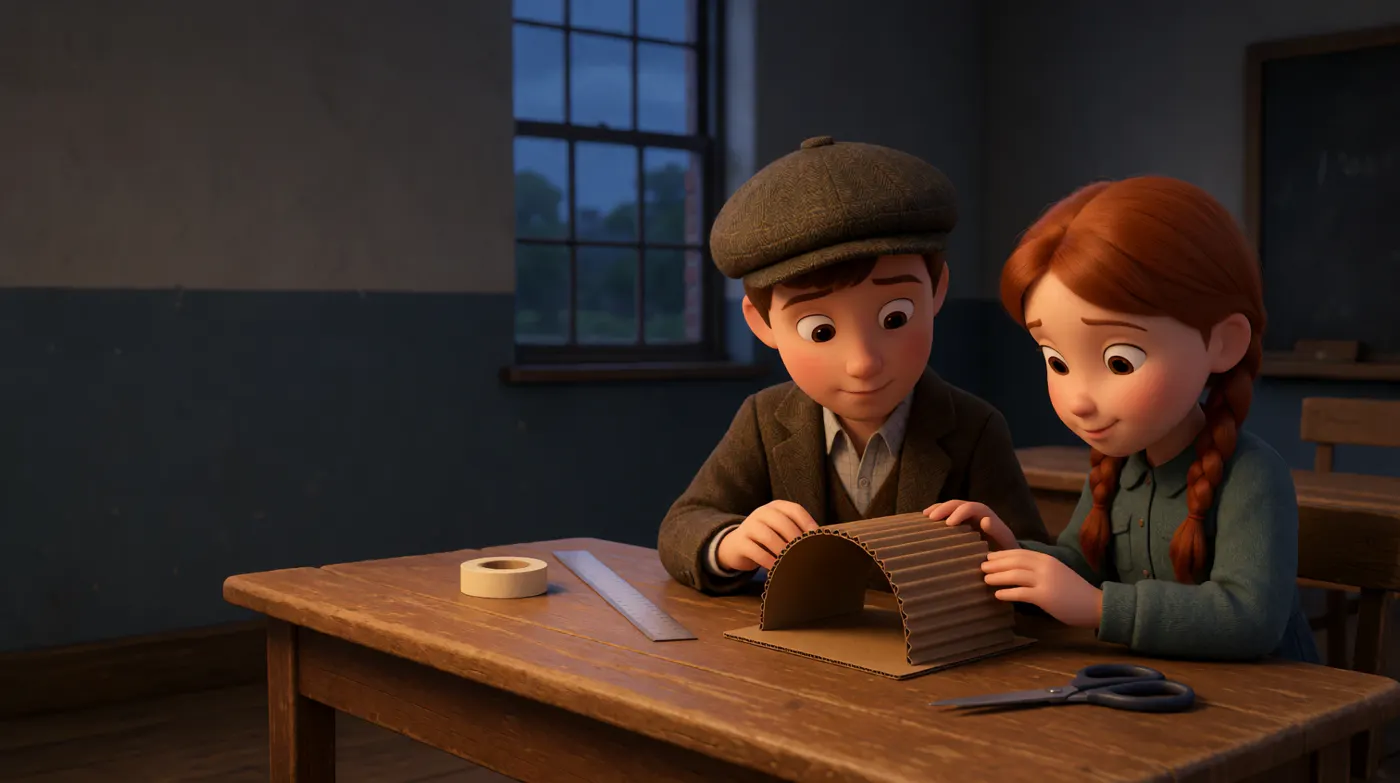
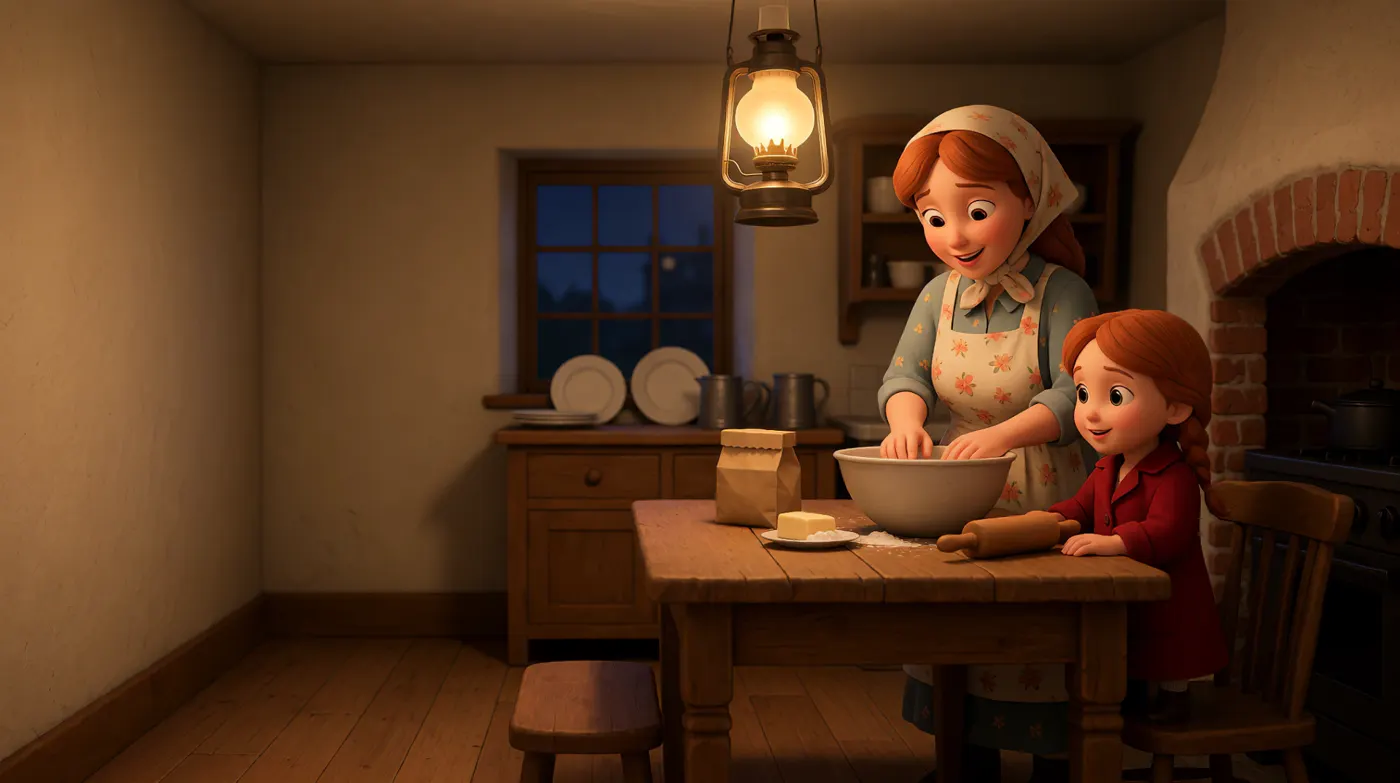
Three sections. Designing an Anderson Shelter: research, the needs of a real family and an annotated sketch. Building the Shelter Model: functional properties, choosing a material for each part, and a curved fold made from scored card. Cooking on the Ration: all food is grown, reared or caught, where Britain's tea, sugar and wheat came from, and a cheese scone cooked on a strict ration of margarine and cheese.
Computing
Three sections. Charting the Rations: one adult's weekly ration typed into a spreadsheet, turned into a bar chart and written up. Building the Digital Postbag: what multimedia means, and a page that combines text, an image and a sound, then edited and captioned. Sharing Our Postbag Story: judging the page against a real audience, editing for them and swapping feedback.
Music
Three sections. Composing a Song for Those Left Behind: a short motif, a drone and what chords do to a mood. Learning Our Song: Write to Me, whose voice it is written in, phrasing and expression, and clear diction. Finishing Our Song: verse, chorus, bridge and outro, an untuned percussion accompaniment, rehearsal and a performance.
PSHE
Two sections. Coping With Big Changes: naming worried, lonely, sad and homesick, learning that the brain can practise self-regulation, and applying four strategies to Walter and Edith. Staying Connected, Asking for Help: mental wellbeing as part of health, what was inside and outside Walter's control, and questioning Walter in role.
Every section, in order.
1HistoryWhen Did the War Come to Britain?
2GeographyWhere Is Germany? Mapping the Allies
3HistoryWhat Can We Trust About Operation Pied Piper?
4HistoryWhy Were Walter and Edith Sent Away?
5MusicComposing a Song for Those Left Behind
6PSHECoping With Big Changes
7HistoryHow Did Life at Home Have to Change?
8ScienceThe Sound of Sirens
9ScienceTesting the Blackout
10DTDesigning an Anderson Shelter
11DTBuilding the Shelter Model
12ScienceDamp, Drips and the Shelter
13ComputingCharting the Rations
14DTCooking on the Ration
15HistoryOne Family, Two Wartime Experiences
16MusicLearning Our Song
17PSHEStaying Connected, Asking for Help
18MusicFinishing Our Song
19ComputingBuilding the Digital Postbag
20ComputingSharing Our Postbag Story
21HistoryWhose War Story Do We Believe?
Big questions to think and talk about.
What would it take for a family to trust a complete stranger to look after their child?
If a whole country has to change how it lives almost overnight, what decides which changes stick and which fade away?
Can two people live through the exact same war and end up with completely different stories to tell?
By the end of the unit:
A postbag holding six letters in date order, a scaled timeline, a labelled map of the Allies, a short motif with a drone for the people left behind, a fair-test table for sound and another for blackout materials, an annotated Anderson shelter design and a card model of it, a spreadsheet and bar chart of one adult's weekly ration, a cheese scone cooked on a strict ration, a comparison table and double timeline for London and Cheshire, a performance of Write to Me, a digital postbag page shared with a real audience, and a final written judgement on which source each pupil would trust most.
What pupils will know about the Blitz.
War is declared
On 3 September 1939 Neville Chamberlain told Britain on the wireless that we were at war with Germany.
Operation Pied Piper
The code name for the plan to move children out of British cities. Each child had a gas mask, a small case and a label.
The Blitz
From autumn 1940 German planes bombed British cities, including London, Liverpool and Coventry.
The blackout
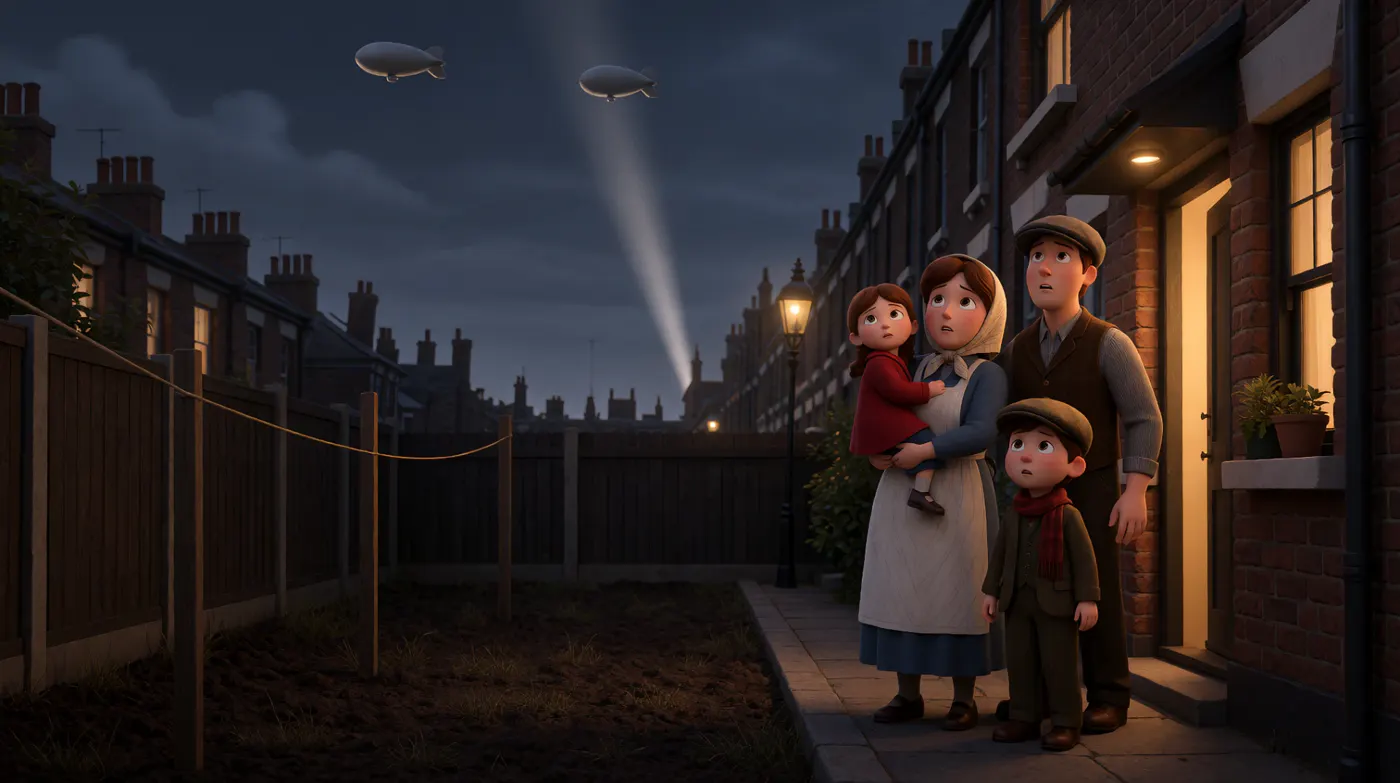
After dark every window was covered, so no light could guide the bombers.
Sound of sirens
Sound is made by vibrations that travel through the air. The further away you are, the harder it is to hear.
Anderson shelters
A curved steel shelter dug into the garden. It felt damp inside because warm breath turned into water on the cold steel.
Rationing
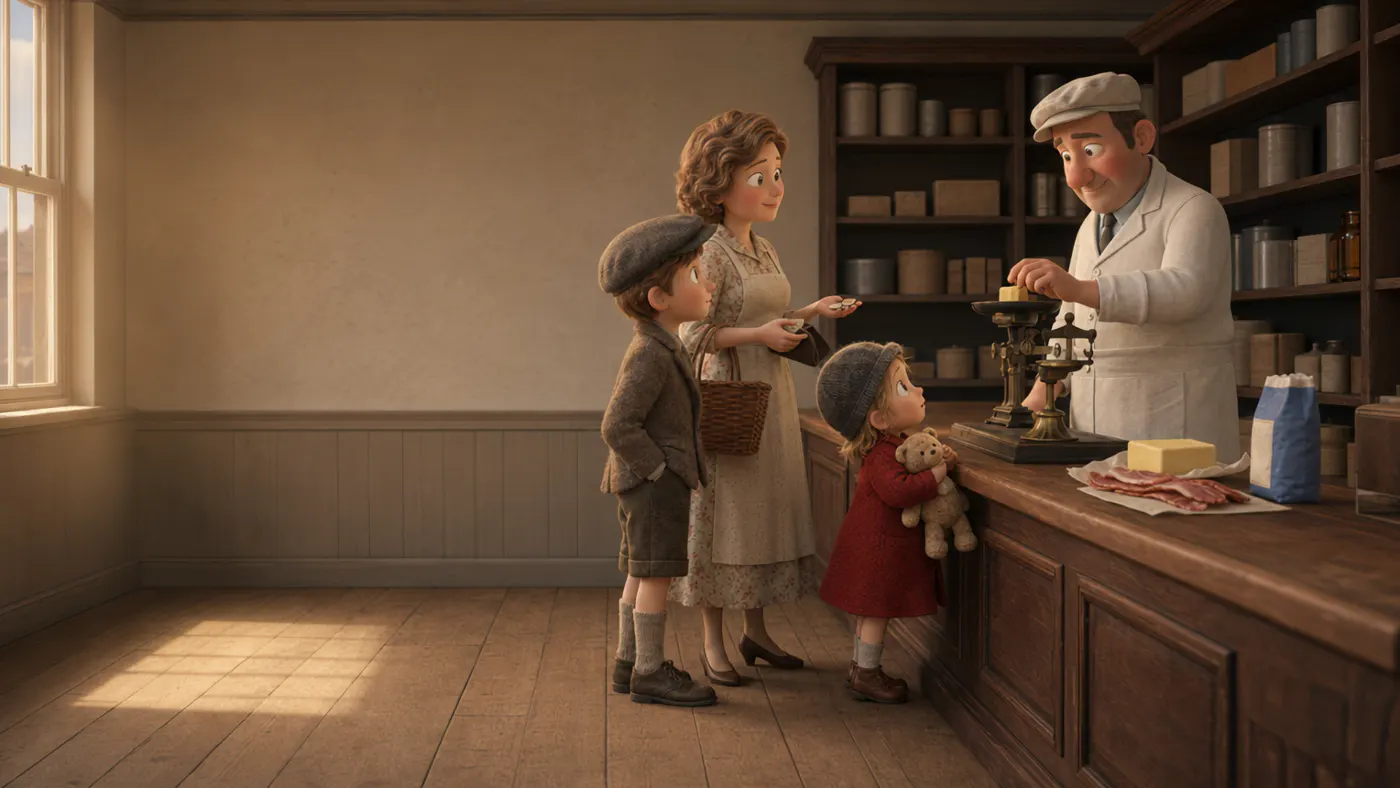
A ration book shared out limited food fairly. One adult's week included 2 oz of butter and 8 oz of sugar.
Big changes
Feeling worried or homesick is normal. Talking to someone you trust can help.
Write to Me
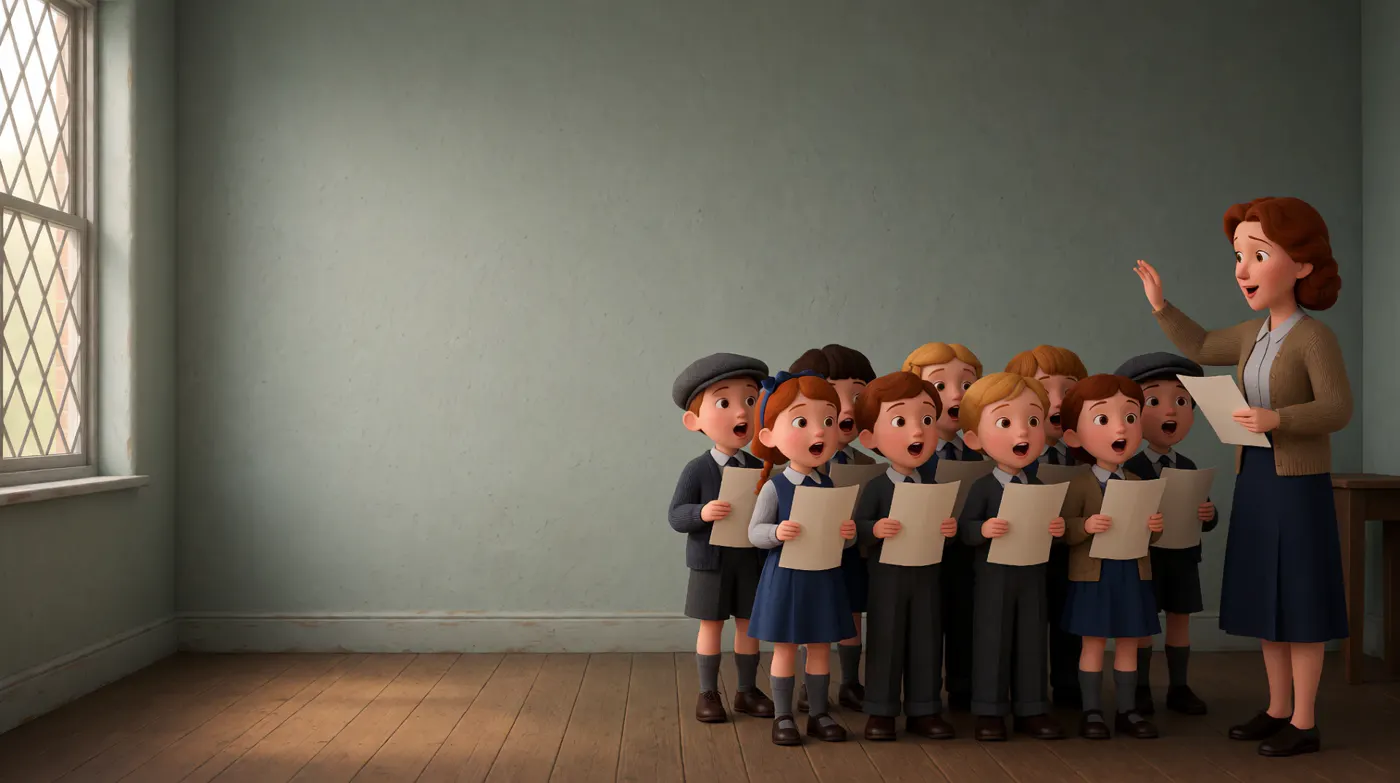
The class postbag holds Walter's letters. Our song, Write to Me, is sung in his voice.
Weigh up your sources
Ask who made it, when, why and how. A poster and a real memory do different jobs.
What it covers, subject by subject.
History: constructing a scaled timeline and explaining overlaps; comparing two sources and saying how reliable they are, with fact, opinion and inference; ranking causes by significance and chains of consequence; tracking and pacing change; comparing societies with organised criteria and double timelines; and judging how purpose and bias shape an interpretation.
Geography: locating countries and capital cities, using atlases and maps, and knowing what migration is and why people move.
Science: knowing that sound is made by vibrations that travel through a medium and that pitch, volume and distance affect what we hear, and investigating distance with a fair test; planning and carrying out fair tests independently and knowing that repeating a measurement improves reliability; and knowing solids, liquids and gases, how substances change state, and how evaporation and condensation work in the water cycle.
DT: using research to design for real users and communicating ideas with annotated sketches; using tools with accuracy and care and selecting materials by functional property; and preparing a savoury dish using a range of techniques, knowing that food is grown, reared or caught and that a balanced diet keeps us healthy.
Computing: using spreadsheets to calculate and present results and knowing that data can support a conclusion; creating projects with text, images, sound and video; and planning, evaluating and editing for a specific audience.
Music: composing with melody and a drone or ostinato and knowing that chords create a mood; singing with pitch accuracy, clear diction and expression, and knowing that phrasing helps shape a melody; and performing in parts, balancing melody and accompaniment, and rehearsing and refining a performance.
PSHE: recognising when worry, sadness or loneliness affect wellbeing and knowing that the brain can learn self-regulation strategies; and knowing that mental wellbeing is part of health, what is inside and outside our control, and when and how to ask for help.
Beyond subjects: sustained oracy (paired teach-back, hot-seating a character in role, freeze frames with thought-tracking, two facing lines with a pupil judging out loud and a for-and-against discussion), plus a piece of independent writing in nearly every section.
“As a primary pupil referral unit, creating genuine engagement is essential for our learners. We were looking for a curriculum that places children at the heart of everything and encourages them to immerse themselves in purposeful, meaningful activities. Dimensions has proved to be a strong fit because it enables our pupils to be active, curious learners rather than passive recipients of information. It brings learning to life in a way that motivates them and supports high-quality learning throughout. Plus, the children just love the curriculum!”
BThe Beacon Referral Unit
“Our school fully embraced the Dimensions curriculum and it has brought the world to our classrooms!”
AAlison Steen
“As a school we are really pleased with our decision to go with Dimensions. It has changed the way we teach our topic lessons as a school and has elevated the quality and diversity of the topics taught throughout KS1 and KS2. It is wonderful how the same theme can be so diverse across all age ranges and it has given teachers the confidence to explore themes they may not have taught previously.”
Scoill Phurt Le Moirrey
“Dimensions Curriculum is amazing! We’ve used it for a few years now and the children absolutely love the different topics and are really engaged by the modern and relevant aspect of these. … Added to this is the amazing support that you get from the Dimensions team and nothing is ever too much trouble.”
SSophie Orton
“Introducing the curriculum has been a real game-changer for our team. It’s clear, well-structured, and genuinely supportive of high-quality teaching. Planning is now more streamlined and consistent, while still allowing flexibility for individual classes and teaching styles. The progression is easy to follow, expectations are clear, and it’s saved us valuable time without compromising creativity or impact. A thoughtfully designed resource that’s already making a positive difference in our classrooms.”
Woodford Halse School
“As a class teacher I have really enjoyed using both the Dimensions Curriculum and 3D PSHE. Both products have been very well designed with clear, progressive and sequential plans, incorporating creative, engaging ideas and have given me the peace of mind to know I am teaching the children a quality curriculum. Wouldn’t expect anything less from a product designed by teachers, for teachers. Thank you Dimensions team!”
AAnn Webster
“The Dimensions 3D PSHE curriculum map, programs of study and enrichment unit are so well organised! I am very excited to use it all!”
LLubavitch Primary School
“Children in my school using Dimensions are motivated to learn and can articulate what they are learning and why they are learning it. … The curriculum maps, knowledge organisers and other documents available for subject leadership are super handy and also save on workload. It is excellent value for money.”
LLouise
“Introducing the curriculum has taken the weight off leaders knowing that everything is covered with clear progression documents. Children are getting the breadth and depth of coverage required. It has made a really positive impact especially when planning for mixed age classes. It is great to have the support available for ever changing class structures.”
Beeston Primary School
“I have had an extremely positive experience with Dimensions. They are a fabulous company, producing products to a very high standard that really engage children. Their curriculum is amazing and using it, I have had outstanding progression, engagement and enjoyment both from the children and myself! I would wholeheartedly recommend Dimensions!”
JJules Wilkin
“Music Crew gives teachers much more confidence when teaching music lessons. The children look forward to music and remember what they have learned from previously. The progression is excellent. Music Crew can be adapted to meet the needs of individual classes and the needs of the school.”
Warton St. Paul’s CE School
“It allows teachers to do what they do best, create engaging schemes of work and lessons and then teach accordingly, safe in the knowledge that statutory demands are covered and progression ensured … Our successful inspection outcomes are testament to the confidence we have in Dimensions. I could not ask for more from Dimensions.”
HHelen Ruberto
“We contacted the Customer support team and requested a new document that had the lesson codes and learning objectives for each year group, for each term. They were more than happy to help and emailed the documents to us the same day which was very helpful and exactly what we needed.”
St Andrew’s School
“As a teacher, working in an international school in Hong Kong I have followed the Dimensions Curriculum Thematic Units for a few years now, and I cannot recommend these resources highly enough. I absolutely love how it engages my students, by making learning fun, relevant and interesting for them. … Oh, and I should also mention all the time they save me in planning.”
KKarin Munkholm
“Absolutely loved using the Dimensions Curriculum. It was flexible and creative and allowed us to shape the learning in our school in such a way that it was relevant and purposeful for everyone involved, including the teachers! I enjoyed working with Elaine throughout, and found the support provided to myself as curriculum leader and the staff training given to be excellent.”
SSarah Cooke
“I bought the PSHE Curriculum for my School. The resources are just fantastic! They are packed full of great ideas, easy to use and relevant. I would highly recommend all their resources to any teacher. It’s definitely the way forward.”
KKat Parkinson
“From a teacher’s perspective, this curriculum has revitalized lesson planning. … Overall, this curriculum has been a game-changer. It has enhanced engagement, deepened learning, and created a more dynamic and enjoyable experience for both students and staff. We wholeheartedly recommend this approach to any ASD school …”
SSophie Hatcher
“We have worked with Elaine and the Dimensions team for over 5 years. The staff enjoy teaching the theme units and the pupils love their learning. Ofsted were very impressed with our curriculum and praised the creative learning and experiences the pupils were encountering. … Our school love it.”
AAlison Worthington
“They are a fantastic company with a wealth of knowledge and understanding. Their products are inspiring, innovative, unique to the market and importantly they are fun and exciting. I would recommend every school to have a visit from Elaine or her team, it’s a decision you won’t regret!”
KKJ Krzysiak
“Have used Dimensions to enhance our school curriculum for many years with much success and great results. The support of the Dimensions team and their curriculum has also helped us through two successful OFSTED visits! Would highly recommend.”
DDawn Forrest
“We have seen the knowledge and skills of our children deepen and their experiences in the classroom and of the wider world have broadened. … We have made so many meaningful connections to our whole school vision and values.”
HH Redfern
“Excellent curriculum resources with outstanding provision for all age groups.”








 Scoill Phurt Le Moirrey
 Woodford Halse School
 Beeston Primary School
 Warton St. Paul’s CE School
 St Andrew’s School