Come Fly with Me! Africa: a Year 4 cross-curricular topic
If you never met the people who grew your food, would it matter to you what happens to them?
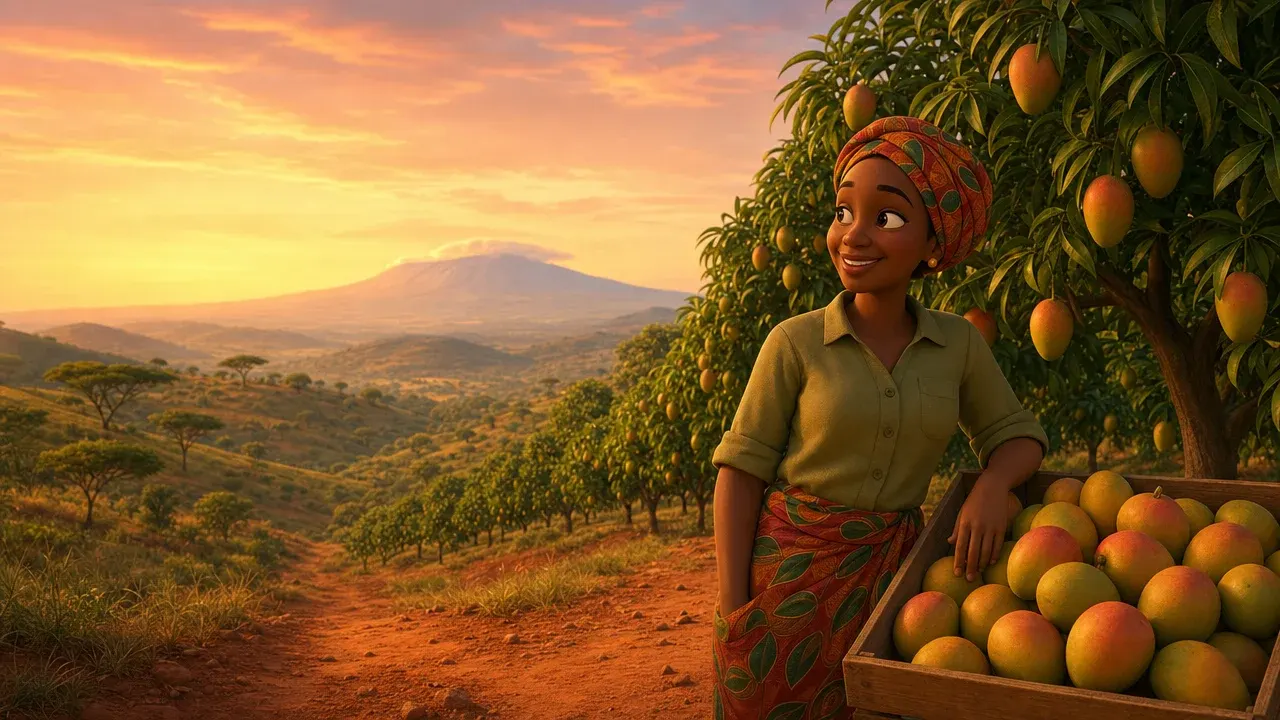
Follow a piece of fruit back to the people who grew it: the true size of Africa, its climates and landscapes, and what a fair deal really means.
Year 4Also suits Year 3
17Sections to teach
7Subjects, one story
GeographyLead subject
Africa, at a glance.
A Year 4 cross-curricular theme unit, led by Geography. It starts with something every class can hold: a piece of fruit with a country sticker on it. From that sticker the unit follows the food back across a continent that most maps shrink, and out to the people who grew it. Seventeen sections across seven subjects, then a closing Fair Trade Market Day. Geography finds the true size of Africa, the ground that shakes and smokes along the East African Rift, four real communities who farm, fish and herd, a drought, the grid-reference hunt for six food packages, and the long journey those packages make to our plate. Science asks who eats who on the savannah, then sets up a fair test on teeth. Music builds a savannah soundscape and sings a market song in a round. Art reads symbols on African cloth and builds a patterned mask. Computing researches real facts, builds a chart and tells the story digitally. PSHE follows the money to the farmer, and holds a debate about what is fair. DT cooks a balanced plate. Three Big Questions are voted on early and voted on again on Market Day.
How the story unfolds.
How big is Africa, really?
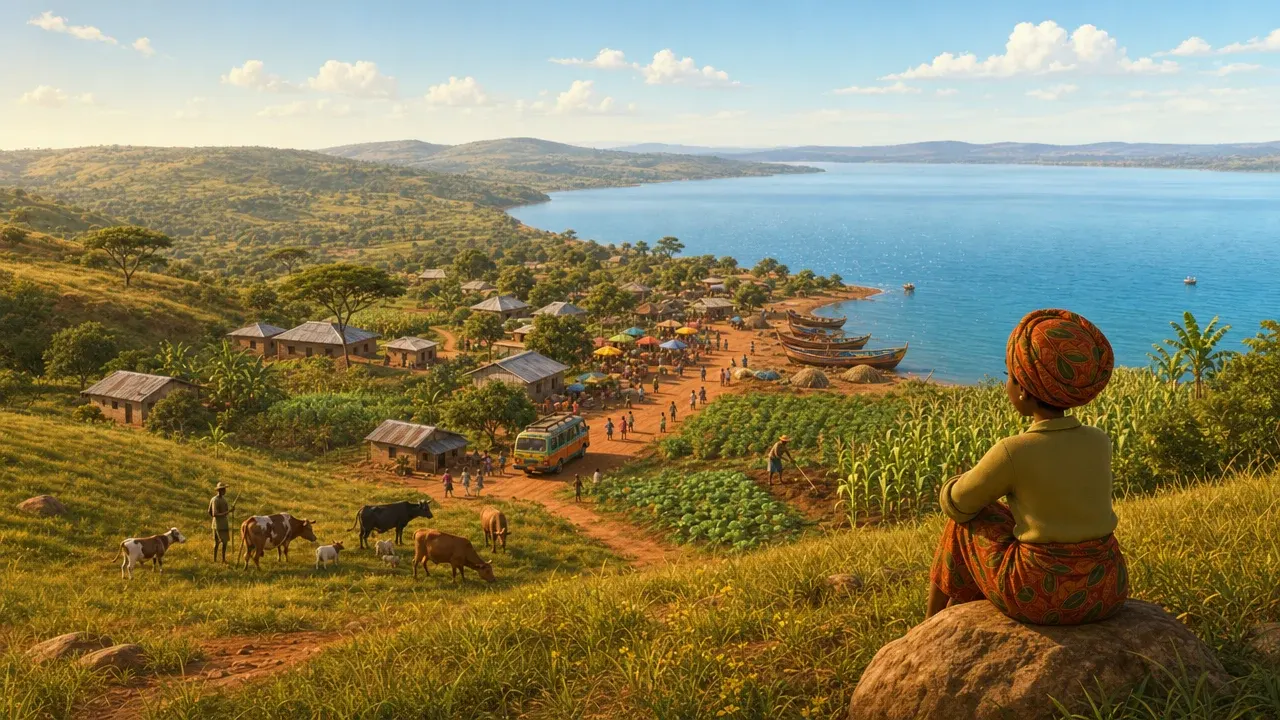
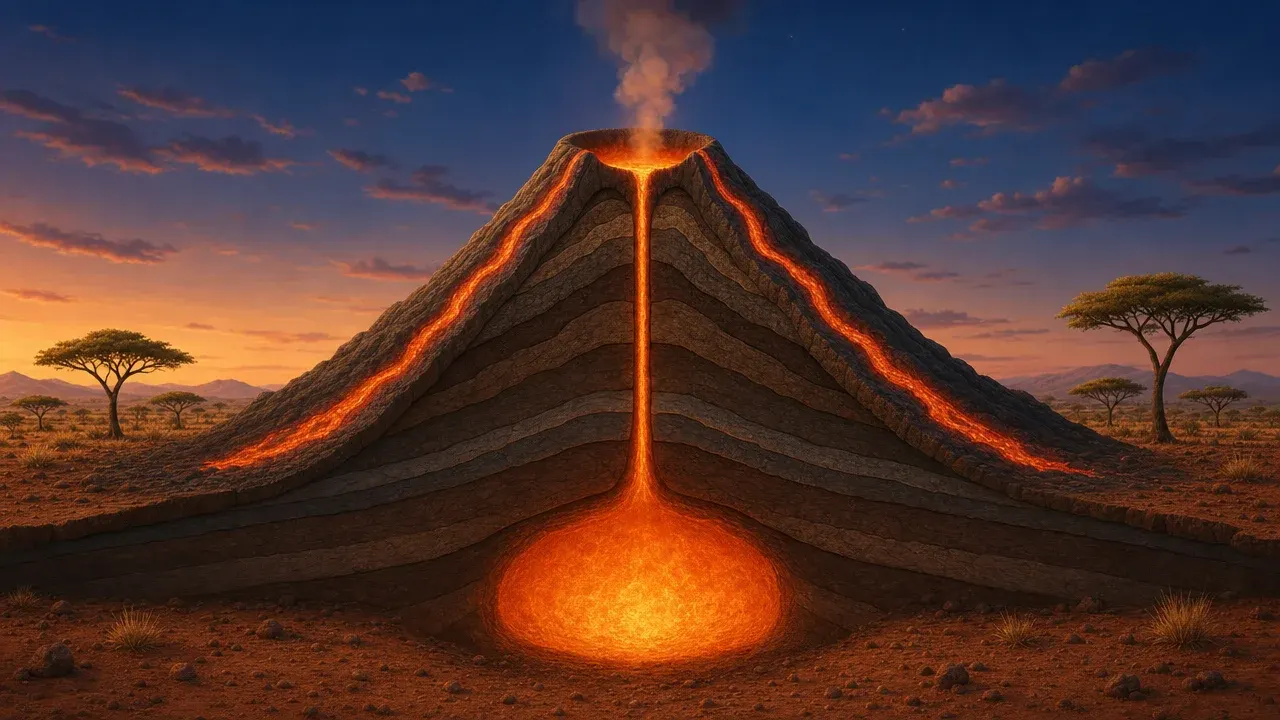
The first third asks where Africa is and what it is really like. Big Question 1 is asked before anything is taught, straight after a real piece of fruit and its sticker. Geography Section 1 shows how big Africa truly is, finds the equator, and teaches why distance from it drives climate, and why clocks differ. Music turns one of those landscapes into a soundscape built from a drone and an ostinato. Geography Section 2 goes beneath it: tectonic plates acted out with bodies, the East African Rift found on a map, the inside of a volcano, and the 2021 Nyiragongo eruption traced back to the rift. Science returns to the surface for the savannah's food chains, keys and a long-term study, and Geography Section 3 meets the people who live there: four real communities and why someone might stay or move.
Who depends on whom?
The middle third asks how people and places depend on each other, and how we know. Big Question 2 is voted on as Computing begins: the class refines searches to find real facts about its chosen community and builds its first spreadsheet and chart. Science plans a fair test on teeth and drinks and follows food from mouth to large intestine. Geography Section 4 weighs real evidence about drought, and Art learns that a symbol stands for an idea, through Adinkra and Kente cloth. Geography Section 5 sends the class hunting for six hidden food packages by grid reference, then designs a survey.
What does a fair deal cost?
The final third asks what is fair, and what it costs. Big Question 3 opens it. Geography Section 6 cuts string to the real distance each of the six foods travelled and ranks local actions. Music sings the market song in a round, and PSHE holds the Great Fair Trade Debate between Team Farmer and Team Shopper. Art tests joins and builds a patterned mask with the pupil's own symbol on it. DT cooks and tastes a balanced couscous dish. Computing builds a short digital story for a chosen audience. The theme closes with the Fair Trade Market Day: stalls, visitors, the market song one more time, and all three Big Questions voted on again.
7 subjects, one journey.
GeographyLead subject
Six sections, and the spine of the unit. Where Africa is, how big it is, the equator, latitude and time zones. The East African Rift, how a volcano is built, and why the ground shakes. Four real communities, what a place gives its people, culture and place, and migration. Drought as a gradual change and its chain from no rain to real hardship. Four-figure grid references and a fieldwork survey on six food packages. And the long journey of that food, carbon footprint, and which local action matters most.
Science
Two sections. Who Eats Who? on the savannah: producers, consumers, predators and prey, the arrows of a food chain, herbivores, carnivores and omnivores, a branching key written and tested in pairs, and a long-term study planned for a real local habitat. Then the four kinds of teeth and their jobs, a fair test of water, blackcurrant juice and cola on eggshell, and the digestive system from mouth to large intestine.
Art
Two sections. Patterns and Symbols: African cloth passed round and felt, four Adinkra symbols and their meanings, Kente woven for celebrations, and a symbol of each pupil's own, designed and explained. Then Making Our Patterned Mask: four ways to join tested and sorted, a mask that fits a face, and each pupil's own symbol painted flat or raised.
Music
Two sections. Sound of the Savannah: what a soundscape is, a drone and an ostinato heard side by side, a group piece made to grow with a change partway through, written down in invented symbols and performed. Then Calling the Market: an original market song, what a round is, the tune learned together and sung in two parts, and a new market call written by every pupil.
Computing
Two sections. Finding and Making Sense of the Facts: refining a search for a real community, a live class survey, the same data drawn as a poor chart and a clear one, and a real spreadsheet and chart. Then Telling Africa's Story: who something is made for, the same fact written two ways, and a short digital story built from text, a picture, a voice clip and a filmed fact.
PSHE
Two sections. Where Does the Money Go? starts with two real packages and the Fairtrade mark, splits one price between everyone in the chain, compares two farmers, and makes a real buying choice. Is It Fair? teaches passive, aggressive and assertive, negotiation and compromise, runs the Great Fair Trade Debate, and answers Big Question 3 in writing.
DT
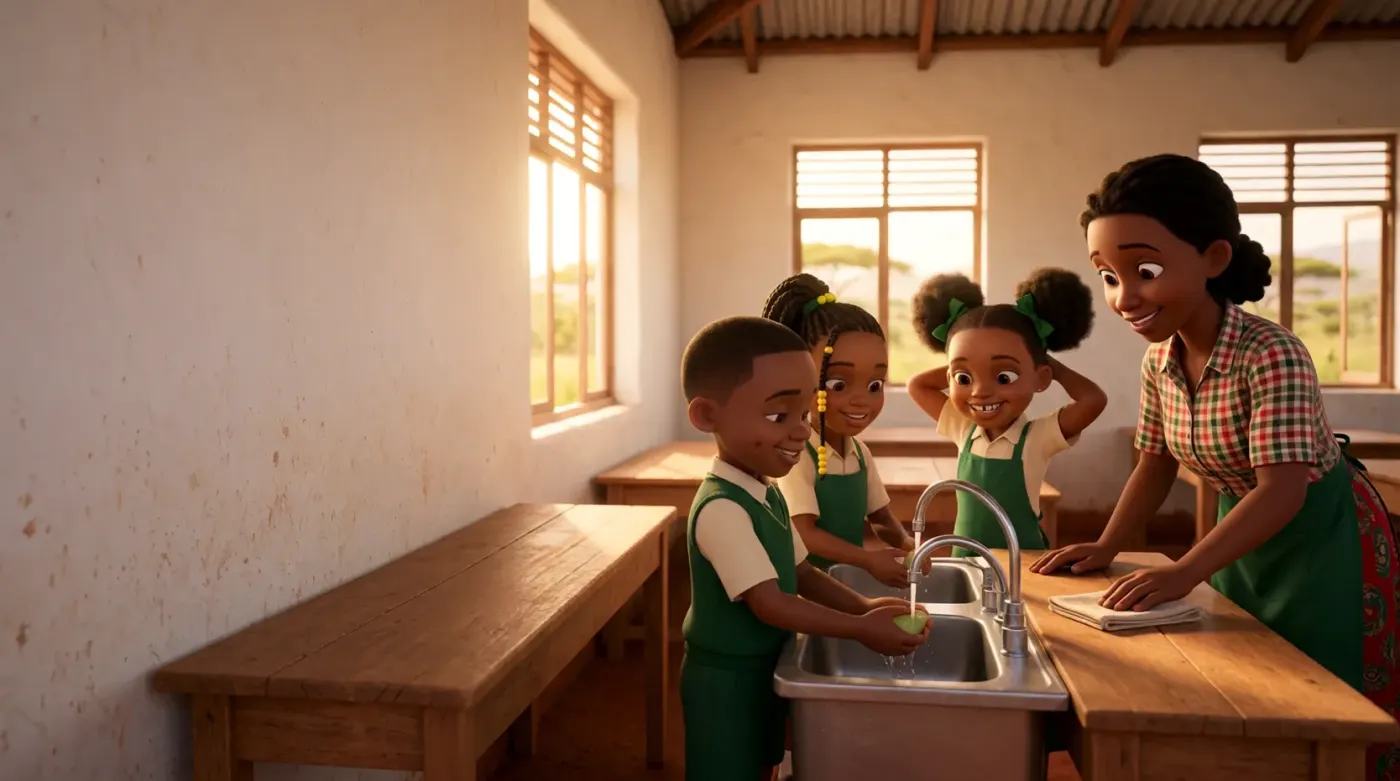
One section. Cooking a Fair Plate: where wheat, chickpeas, tomatoes and lemons grow, the real Eatwell Guide and a labelled plate, hygiene, and a couscous dish cooked and seasoned by each group, then tasted together.
Every section, in order.
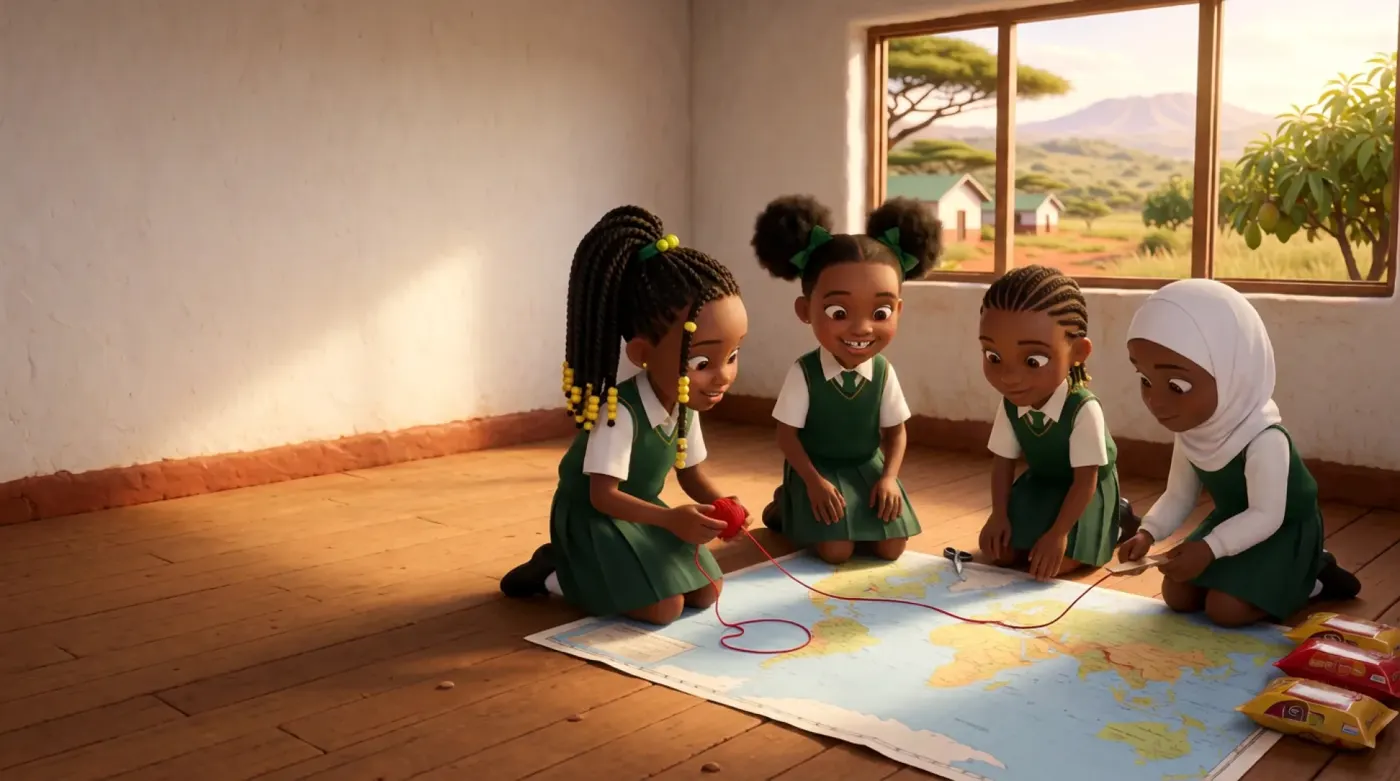
1GeographyWhere in the World Is Africa?
2MusicSound of the Savannah
3GeographyThe Land That Shakes and Smokes
4ScienceWho Eats Who?
5GeographyFarmers, Fishers and Herders
6ComputingFinding and Making Sense of the Facts
7ScienceTeeth, Tummies and a Fair Test
8GeographyWhen the Rains Don't Come
9ArtPatterns and Symbols
10GeographyWhere Does Our Food Really Come From?
11PSHEWhere Does the Money Go?
12GeographyThe Long Journey to Our Plate
13MusicCalling the Market
14PSHEIs It Fair?
15ArtMaking Our Patterned Mask
16DTCooking a Fair Plate
17ComputingTelling Africa's Story
★CeremonyFair Trade Market Day
Big questions to think and talk about.
If you never met the people who grew your food, would it matter to you what happens to them?
When climate change threatens the way people live, whose responsibility is it to help?
If making things fairer for one group makes it harder for another, how do you decide what's right?
By the end of the unit:
A passport page for three African countries; a written community case study and a fieldwork report; a branching key and a long-term study plan; a savannah soundscape and a market call added to the class song; a symbol of the pupil's own and a patterned mask built around it; a couscous dish cooked and tasted; a short digital story; and the class's own stalls at the Fair Trade Market Day.
What pupils will know about Africa.
Africa is huge
The UK, the USA, China, India and most of Europe would all fit inside the outline of Africa at once.
The equator
The equator is an imaginary line around the middle of the Earth. Places near it get strong, direct sunlight all year.
Plates on the move
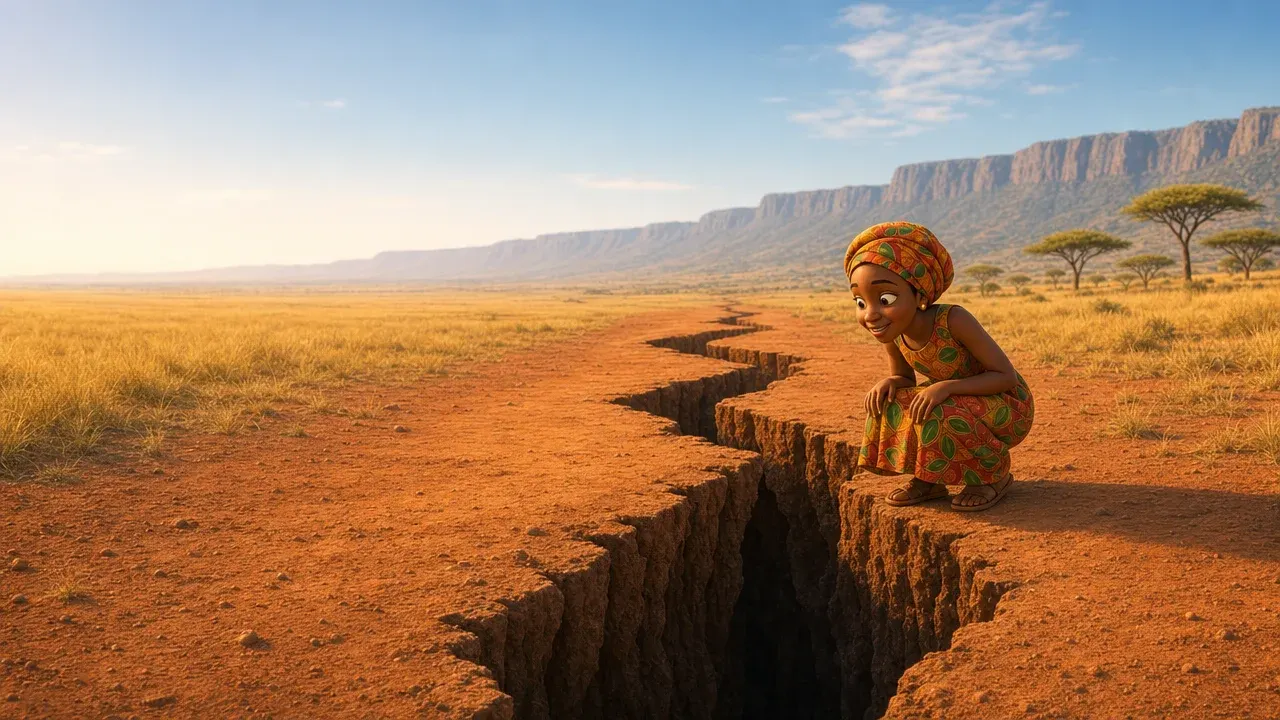
The ground is made of huge tectonic plates that move very slowly. In East Africa the crust is stretching along the East African Rift.
Magma or lava?
Melted rock underground is magma. Once it reaches the surface it is called lava. Mount Nyiragongo erupted on 22 May 2021.
Who eats who
Grass is a producer. A zebra eats the grass and a lion eats the zebra. The arrow points to the one that gets the energy.
Four kinds of teeth
Incisors cut, canines tear, and premolars and molars crush and grind. Digestion starts in the mouth.
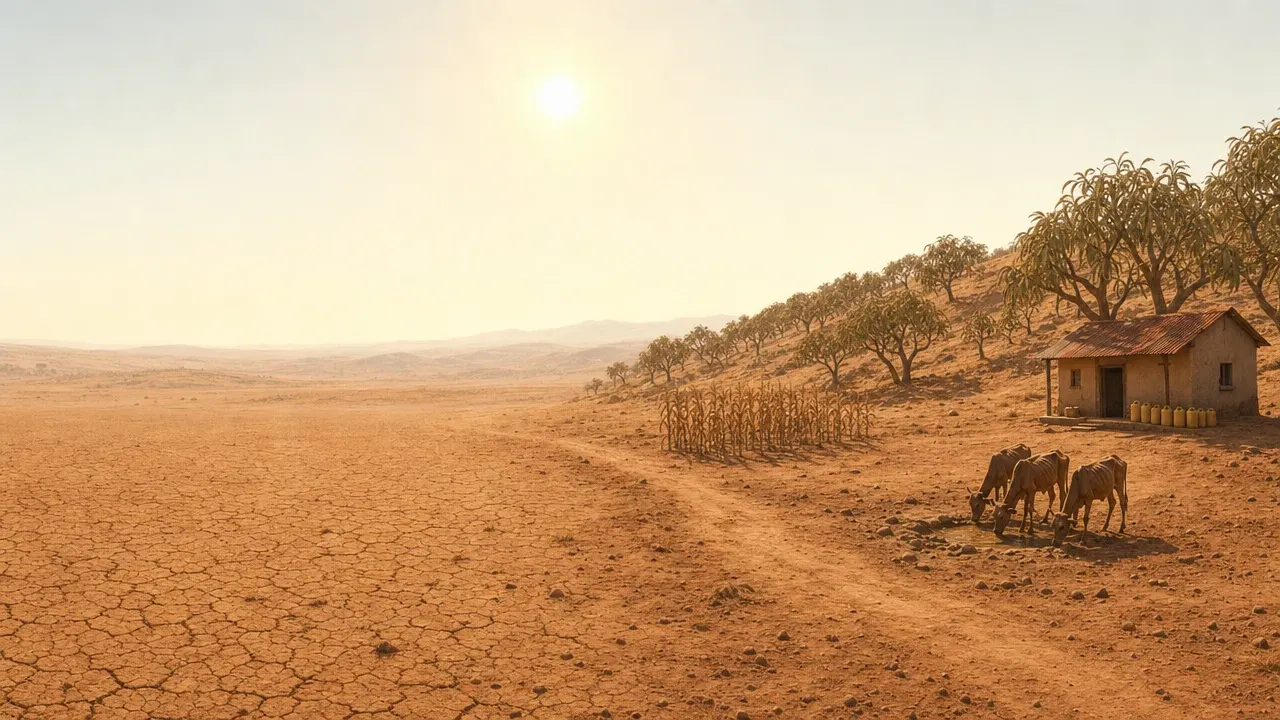
When the rains fail
A drought is a long time with much less rain than usual. It builds slowly, but an earthquake takes seconds.
Symbols with meaning
A symbol is a mark that stands for an idea. The Adinkra symbol Sankofa stands for learning from the past.
What Fairtrade promises
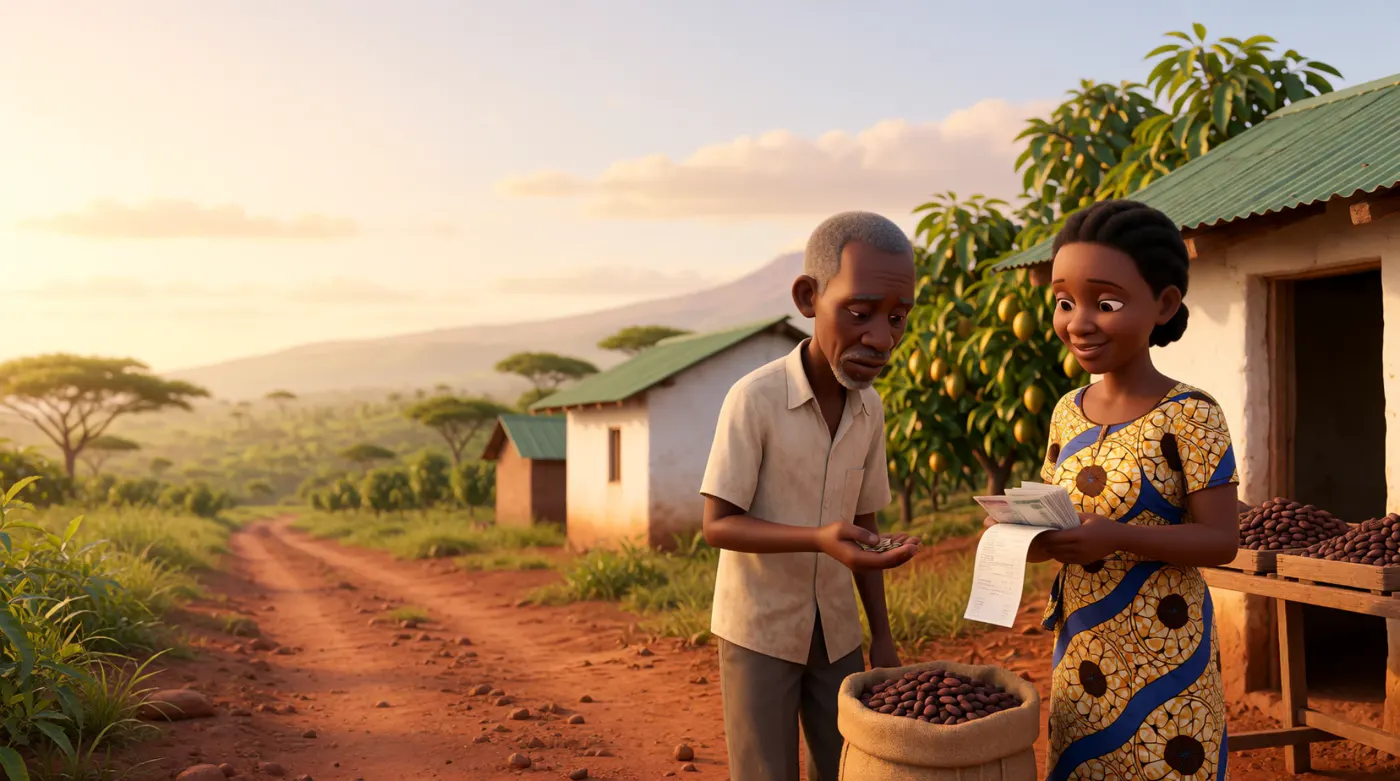
The Fairtrade mark means a farmer is guaranteed a fair minimum price for their crop, whatever happens elsewhere.
A long journey
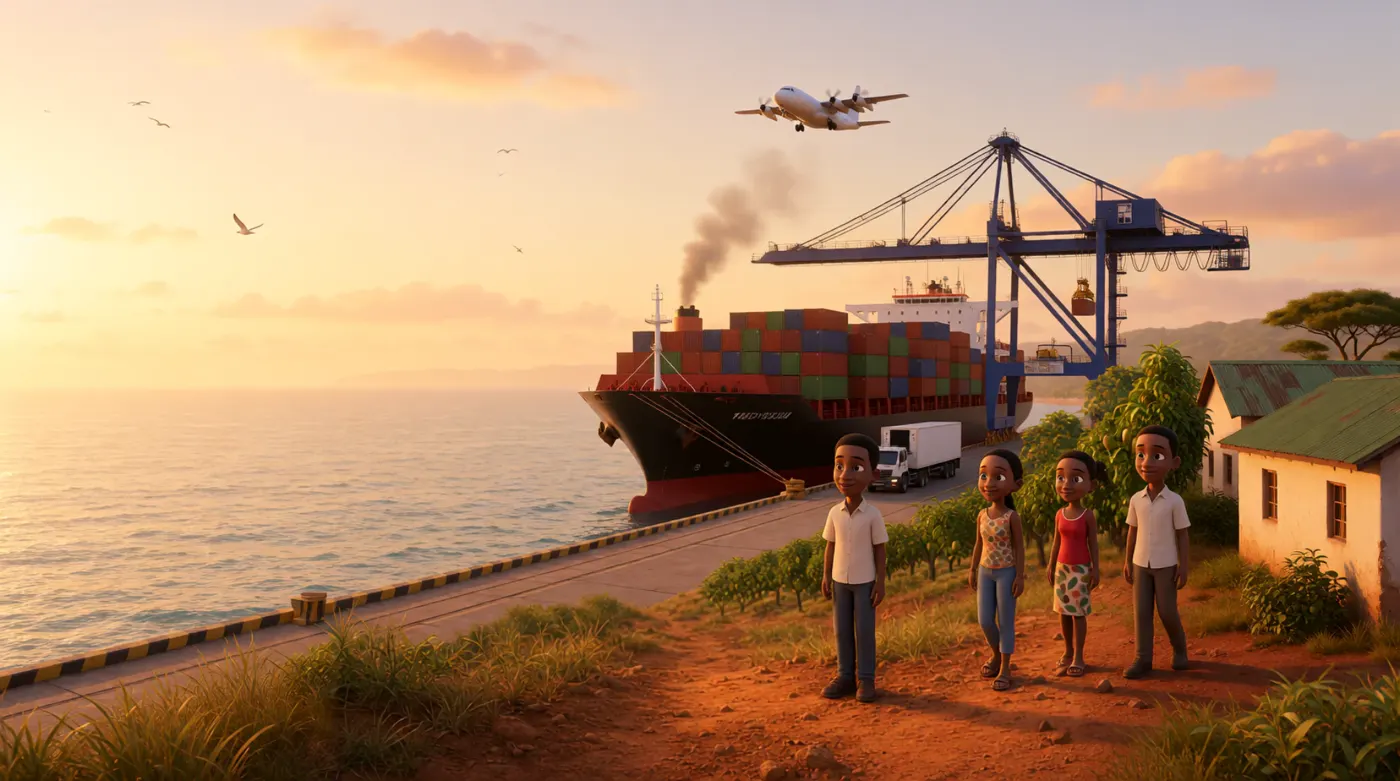
Lorries, ships and planes burn fuel. A carbon footprint measures the carbon dioxide that makes, and how food travels matters as much as how far.
What it covers, subject by subject.
Geography: using latitude and longitude to suggest climate patterns and explaining time zone differences; locating tectonic zones and recent events on a map and explaining volcano and earthquake structures; giving reasons for growth or decline in a settlement and describing a migration case study; classifying changes as rapid or gradual and linking a process to its impacts on people and land; using four-figure grid references and designing and conducting a fieldwork survey; and explaining simple supply chains and evaluating which local actions have the biggest effect.
Science: using keys to classify living things in habitats, food chains with producers, predators and prey, and planning a long-term study; and the human digestive system, the roles of different types of teeth, and planning and carrying out a fair test independently.
Art: suggesting the purpose in artwork and comparing two traditions, knowing that artists use symbols to represent ideas; and refining form and proportion, solving construction problems and knowing that different joins make sculptures stronger and more stable.
Music: developing a musical idea by repeating, changing and combining motifs, composing with a drone and an ostinato, and capturing ideas in graphic symbols; and singing songs in a round or in parts, holding a part.
Computing: refining searches to get better results, using spreadsheets to calculate and present results; and creating projects with text, images, sound and video, planned and evaluated for a specific audience.
PSHE: explaining different attitudes to saving and spending and how priorities influence choices; and respectful relationships, practising assertive communication, and resolving conflict through negotiation and compromise.
DT: preparing a savoury dish using a range of techniques, explaining how food is grown, reared or caught, and how a balanced diet keeps us healthy.
Follow Walter and Edith Wiggins from the 1939 wireless announcement to evacuation, the Blitz and the Home Front, told through the letters in the class postbag
Year 3
The Rainforest Keepers
The class become conservation experts and build a proposal to save the Araká people's rainforest
Year 5
Just Deserts
Follow a lost explorer into the world's deserts
Year 5
Come Fly with Me! America
The class become junior correspondents, commissioned to write a guide that shows America accurately and fairly
“As a primary pupil referral unit, creating genuine engagement is essential for our learners. We were looking for a curriculum that places children at the heart of everything and encourages them to immerse themselves in purposeful, meaningful activities. Dimensions has proved to be a strong fit because it enables our pupils to be active, curious learners rather than passive recipients of information. It brings learning to life in a way that motivates them and supports high-quality learning throughout. Plus, the children just love the curriculum!”
BThe Beacon Referral Unit
“Our school fully embraced the Dimensions curriculum and it has brought the world to our classrooms!”
AAlison Steen
“As a school we are really pleased with our decision to go with Dimensions. It has changed the way we teach our topic lessons as a school and has elevated the quality and diversity of the topics taught throughout KS1 and KS2. It is wonderful how the same theme can be so diverse across all age ranges and it has given teachers the confidence to explore themes they may not have taught previously.”
Scoill Phurt Le Moirrey
“Dimensions Curriculum is amazing! We’ve used it for a few years now and the children absolutely love the different topics and are really engaged by the modern and relevant aspect of these. … Added to this is the amazing support that you get from the Dimensions team and nothing is ever too much trouble.”
SSophie Orton
“Introducing the curriculum has been a real game-changer for our team. It’s clear, well-structured, and genuinely supportive of high-quality teaching. Planning is now more streamlined and consistent, while still allowing flexibility for individual classes and teaching styles. The progression is easy to follow, expectations are clear, and it’s saved us valuable time without compromising creativity or impact. A thoughtfully designed resource that’s already making a positive difference in our classrooms.”
Woodford Halse School
“As a class teacher I have really enjoyed using both the Dimensions Curriculum and 3D PSHE. Both products have been very well designed with clear, progressive and sequential plans, incorporating creative, engaging ideas and have given me the peace of mind to know I am teaching the children a quality curriculum. Wouldn’t expect anything less from a product designed by teachers, for teachers. Thank you Dimensions team!”
AAnn Webster
“The Dimensions 3D PSHE curriculum map, programs of study and enrichment unit are so well organised! I am very excited to use it all!”
LLubavitch Primary School
“Children in my school using Dimensions are motivated to learn and can articulate what they are learning and why they are learning it. … The curriculum maps, knowledge organisers and other documents available for subject leadership are super handy and also save on workload. It is excellent value for money.”
LLouise
“Introducing the curriculum has taken the weight off leaders knowing that everything is covered with clear progression documents. Children are getting the breadth and depth of coverage required. It has made a really positive impact especially when planning for mixed age classes. It is great to have the support available for ever changing class structures.”
Beeston Primary School
“I have had an extremely positive experience with Dimensions. They are a fabulous company, producing products to a very high standard that really engage children. Their curriculum is amazing and using it, I have had outstanding progression, engagement and enjoyment both from the children and myself! I would wholeheartedly recommend Dimensions!”
JJules Wilkin
“Music Crew gives teachers much more confidence when teaching music lessons. The children look forward to music and remember what they have learned from previously. The progression is excellent. Music Crew can be adapted to meet the needs of individual classes and the needs of the school.”
Warton St. Paul’s CE School
“It allows teachers to do what they do best, create engaging schemes of work and lessons and then teach accordingly, safe in the knowledge that statutory demands are covered and progression ensured … Our successful inspection outcomes are testament to the confidence we have in Dimensions. I could not ask for more from Dimensions.”
HHelen Ruberto
“We contacted the Customer support team and requested a new document that had the lesson codes and learning objectives for each year group, for each term. They were more than happy to help and emailed the documents to us the same day which was very helpful and exactly what we needed.”
St Andrew’s School
“As a teacher, working in an international school in Hong Kong I have followed the Dimensions Curriculum Thematic Units for a few years now, and I cannot recommend these resources highly enough. I absolutely love how it engages my students, by making learning fun, relevant and interesting for them. … Oh, and I should also mention all the time they save me in planning.”
KKarin Munkholm
“Absolutely loved using the Dimensions Curriculum. It was flexible and creative and allowed us to shape the learning in our school in such a way that it was relevant and purposeful for everyone involved, including the teachers! I enjoyed working with Elaine throughout, and found the support provided to myself as curriculum leader and the staff training given to be excellent.”
SSarah Cooke
“I bought the PSHE Curriculum for my School. The resources are just fantastic! They are packed full of great ideas, easy to use and relevant. I would highly recommend all their resources to any teacher. It’s definitely the way forward.”
KKat Parkinson
“From a teacher’s perspective, this curriculum has revitalized lesson planning. … Overall, this curriculum has been a game-changer. It has enhanced engagement, deepened learning, and created a more dynamic and enjoyable experience for both students and staff. We wholeheartedly recommend this approach to any ASD school …”
SSophie Hatcher
“We have worked with Elaine and the Dimensions team for over 5 years. The staff enjoy teaching the theme units and the pupils love their learning. Ofsted were very impressed with our curriculum and praised the creative learning and experiences the pupils were encountering. … Our school love it.”
AAlison Worthington
“They are a fantastic company with a wealth of knowledge and understanding. Their products are inspiring, innovative, unique to the market and importantly they are fun and exciting. I would recommend every school to have a visit from Elaine or her team, it’s a decision you won’t regret!”
KKJ Krzysiak
“Have used Dimensions to enhance our school curriculum for many years with much success and great results. The support of the Dimensions team and their curriculum has also helped us through two successful OFSTED visits! Would highly recommend.”
DDawn Forrest
“We have seen the knowledge and skills of our children deepen and their experiences in the classroom and of the wider world have broadened. … We have made so many meaningful connections to our whole school vision and values.”
HH Redfern
“Excellent curriculum resources with outstanding provision for all age groups.”






 Scoill Phurt Le Moirrey
 Woodford Halse School
 Beeston Primary School
 Warton St. Paul’s CE School
 St Andrew’s School