
Nursery
Under The Sea
Life in the ocean, explored through play, stories and songs.
 Let’s talk
With over 60 rich and engaging themes to choose from, you can create a curriculum journey that reflects your pupils, your school and the world around them.
Each theme weaves several subjects around one big story, with films, songs, sources and hands-on activities along the way. Select a theme to look inside.
Nursery
Life in the ocean, explored through play, stories and songs.

Reception
Houses and homes, from my house to tents, caves and dens.

Year 1
One letter to a poorly little boy led to the story about the most famous rabbit in the world.

Year 2
Pupils follow Dr Jonas Frost north to the invisible line around the top of the world.

Year 3
The class become conservation experts and build a proposal to save the Araká people's rainforest.

Year 4
Following Walter and Edith Wiggins from the 1939 wireless announcement to evacuation, the Blitz and the Home Front, told through the letters in the class postbag.

Year 5
Follow a lost explorer into the world's deserts.

Year 6
The river that made a civilisation, the woman who ruled it as king, and the argument about her that is still going on.
Communication, Conflict, Culture and Conservation run through the whole curriculum, from Nursery to Year 6, helping children explore their place in a complex and changing world.

How people share ideas, stories and knowledge, and how that has shaped the world.

Why people disagree, how disputes are resolved and what fairness asks of us.

The beliefs, traditions and ways of life that make communities who they are.

Caring for places, living things and the planet we all share.
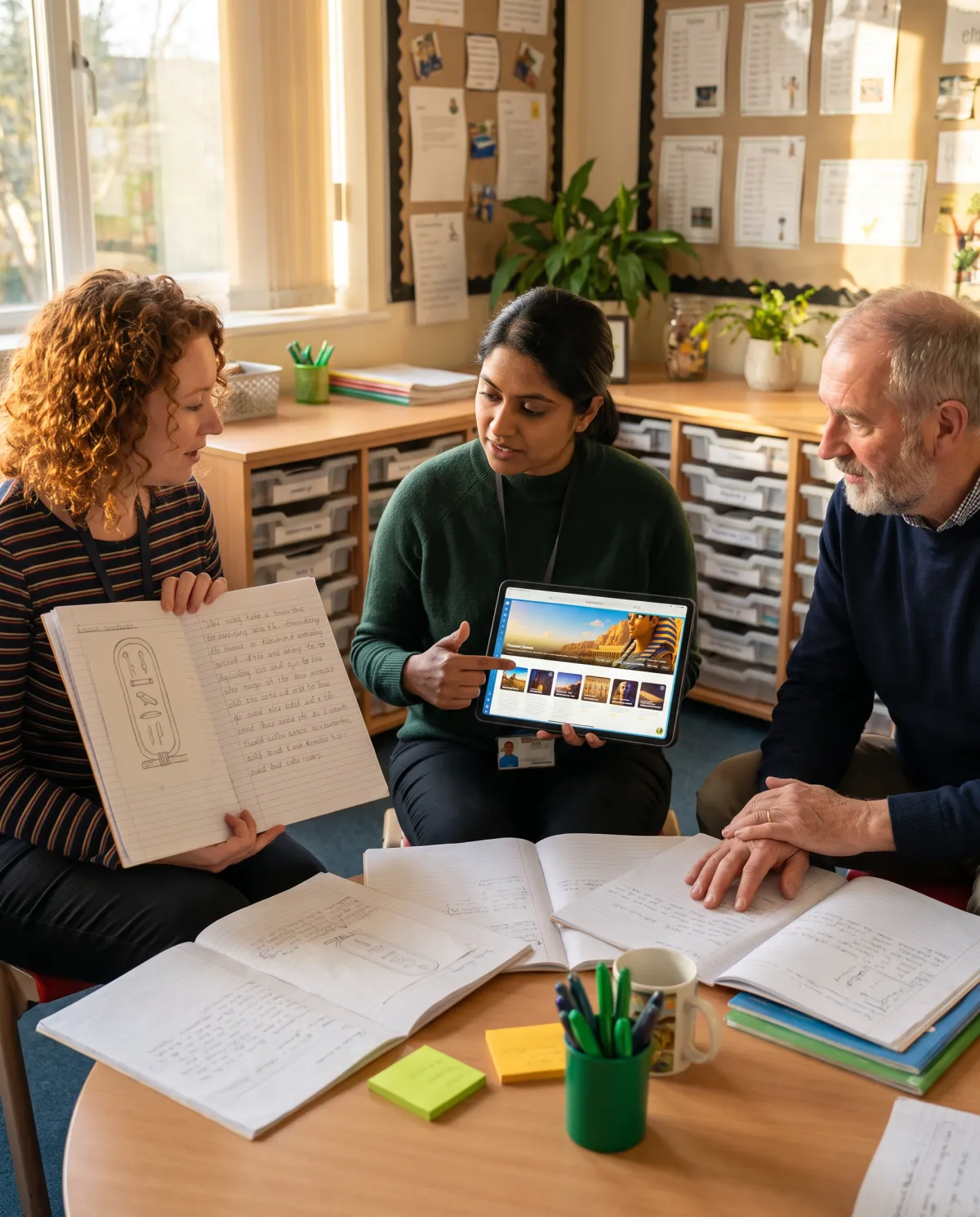
Behind the stories sits a clear progression framework.
Every subject is built on its own Pillars of Learning, the disciplinary threads that run through every unit, so knowledge, skills and vocabulary build year on year and subject leaders can see exactly where learning begins and where it goes next.
From a small village primary to a trust of many schools, the curriculum fits your context without losing consistency or progression.
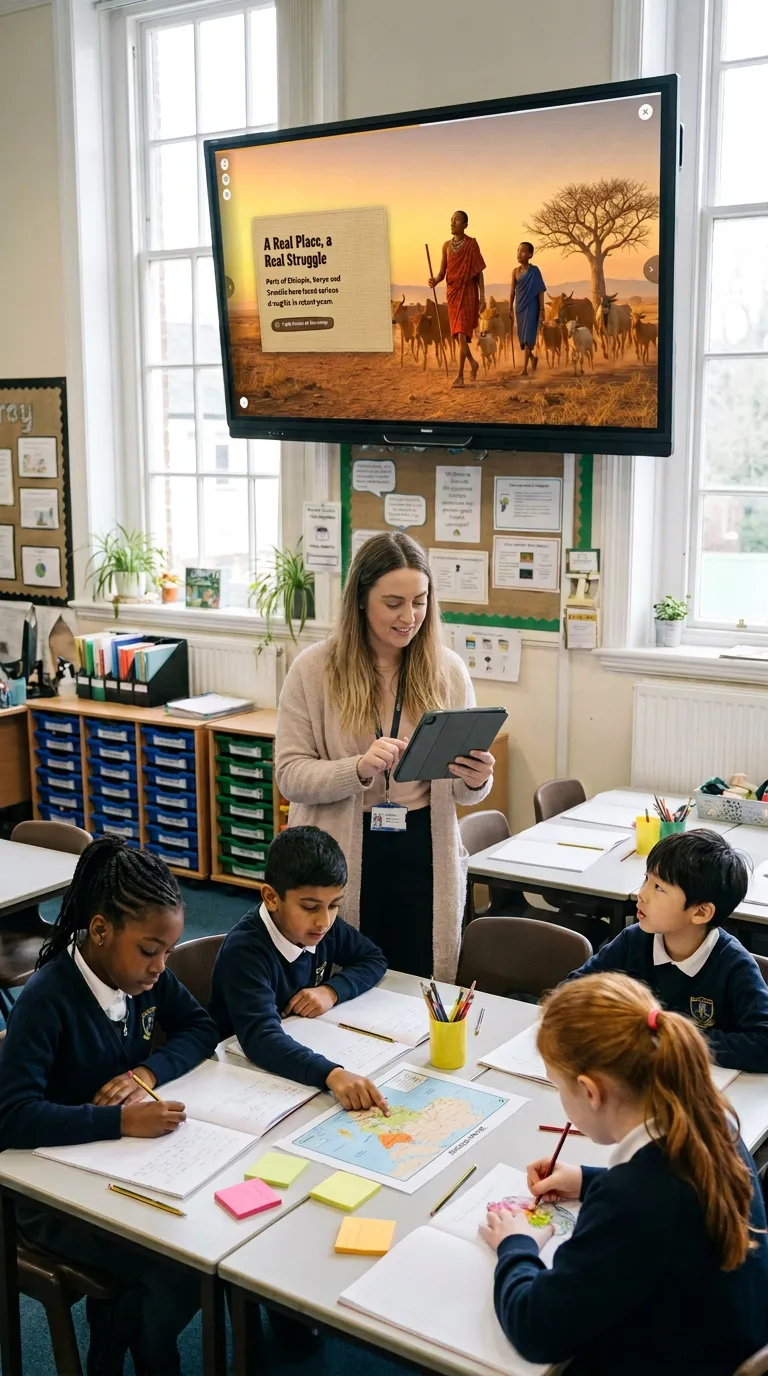
Ready-to-teach lessons with clear guidance, resources and everything to share with the class, leaving you free to teach, adapt and inspire learners.
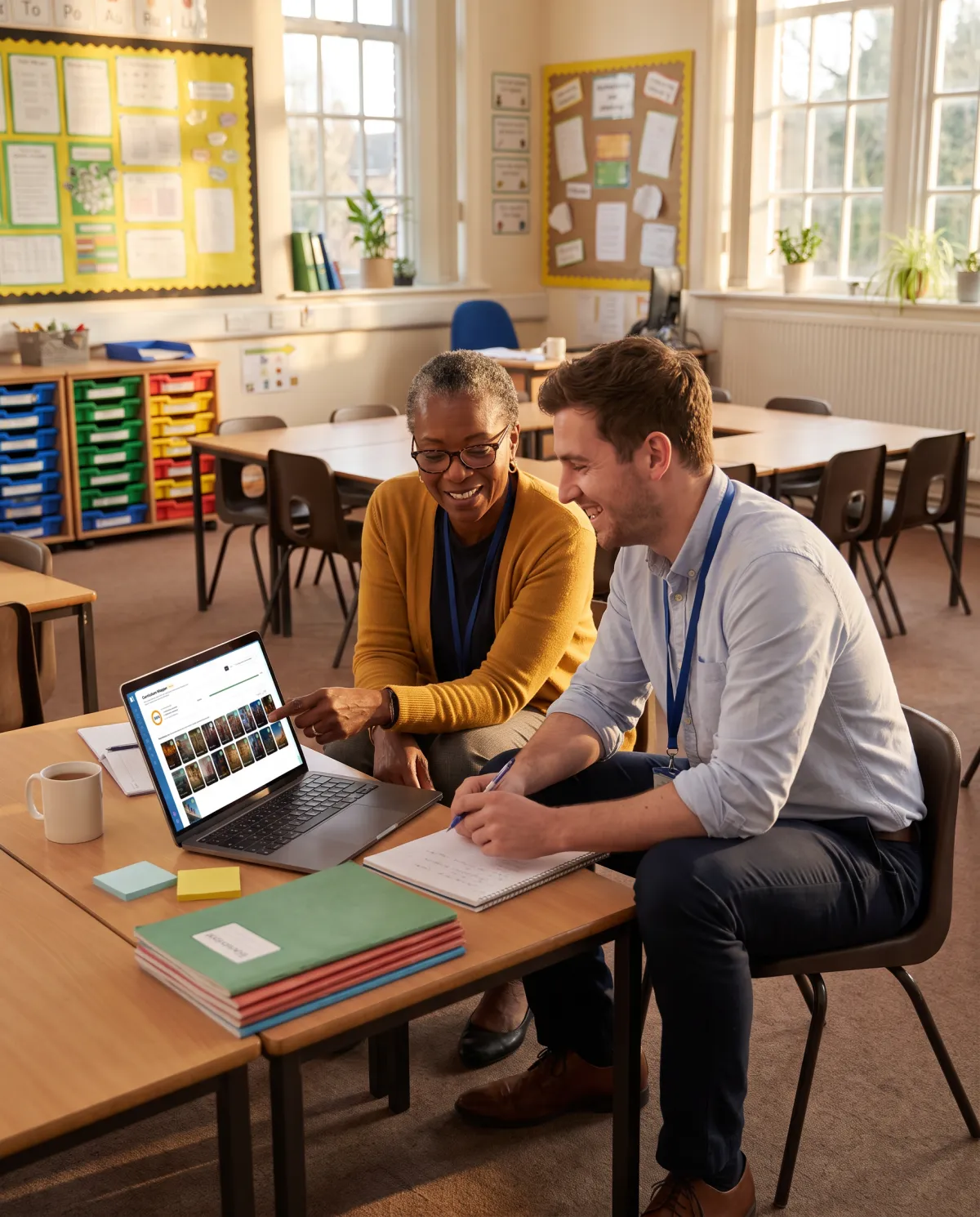
Coverage and progression mapped for every subject, with the Curriculum Mapper and subject overviews to show intent, implementation and impact.

A shared curriculum and a common language across every school, while each one keeps its own identity and community links.
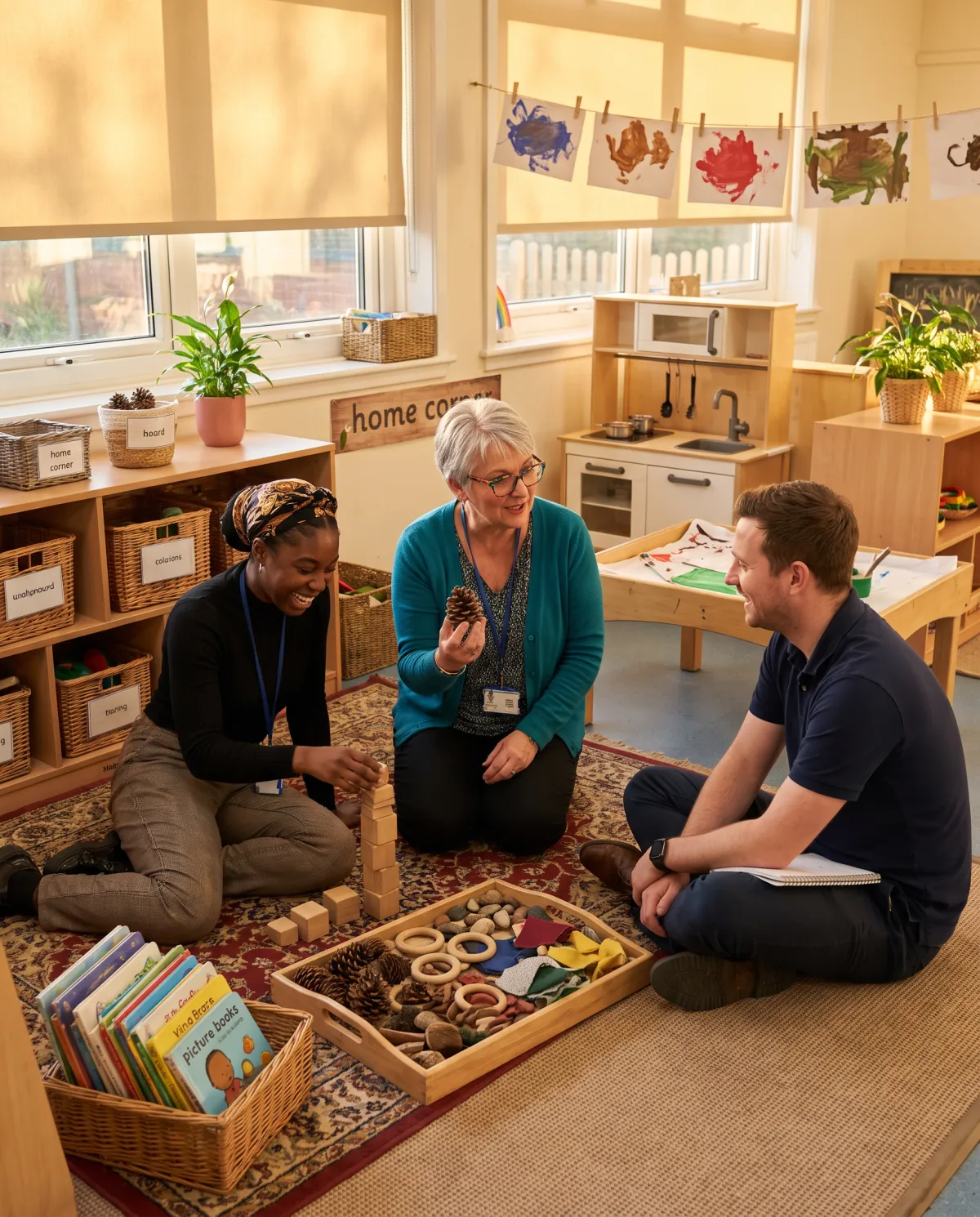
Hands-on, visual learning that can be simplified or extended, with specialist adaptations at the touch of a button that save hours of planning, so every child is supported without lowering expectations.
Global themes and rich cultural content that build world awareness, flexible enough to reflect your own country and community.
The Connect platform brings every theme to life in the classroom and beyond, with tools that save time for teachers and leaders.

The Home Zone gives families a window into the learning, with songs, games and tools that make sharing children’s outcomes easy.
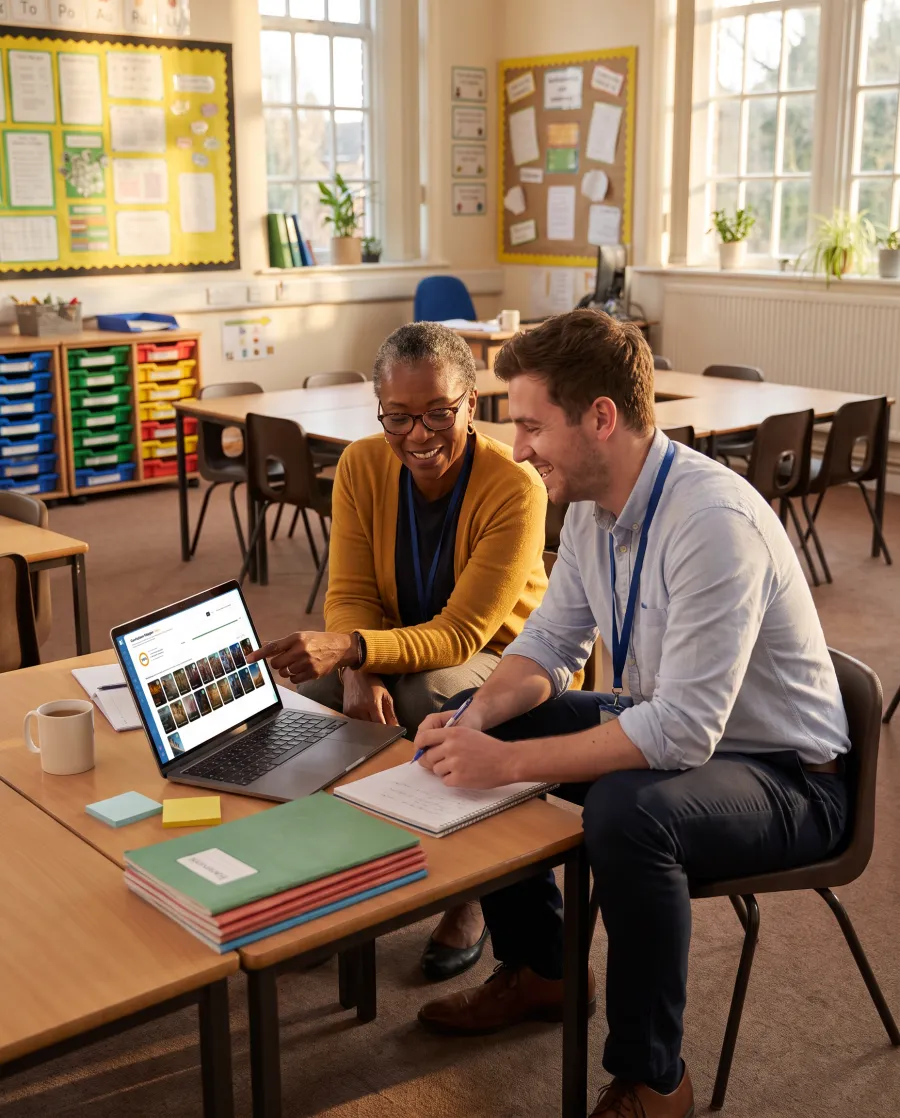
The Curriculum Mapper shows coverage and progression across every subject and year group, ready for subject leaders and governors.
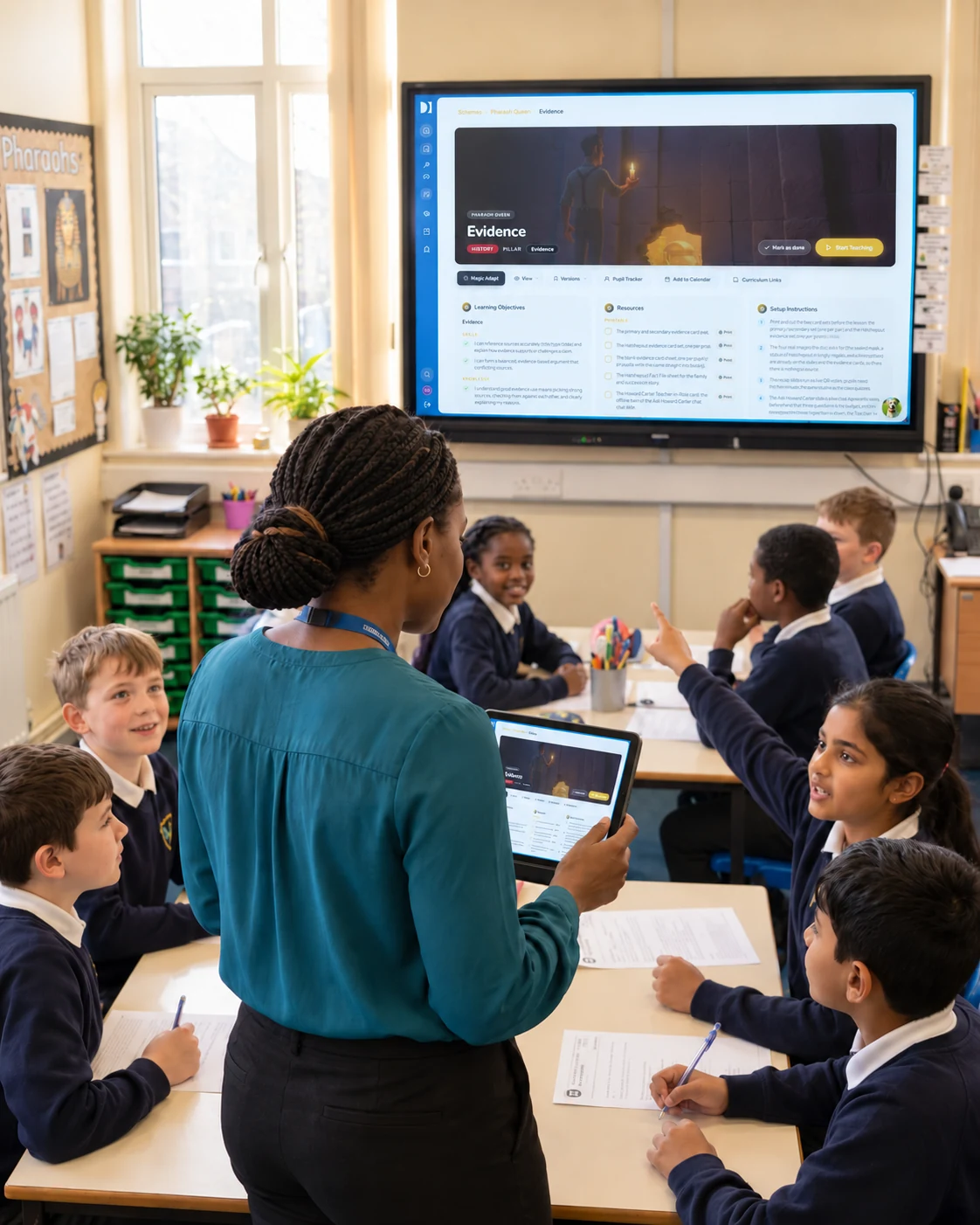
Run the lesson from your device and gather pupils’ ideas on a shared board, so you can teach from among the class rather than the front.
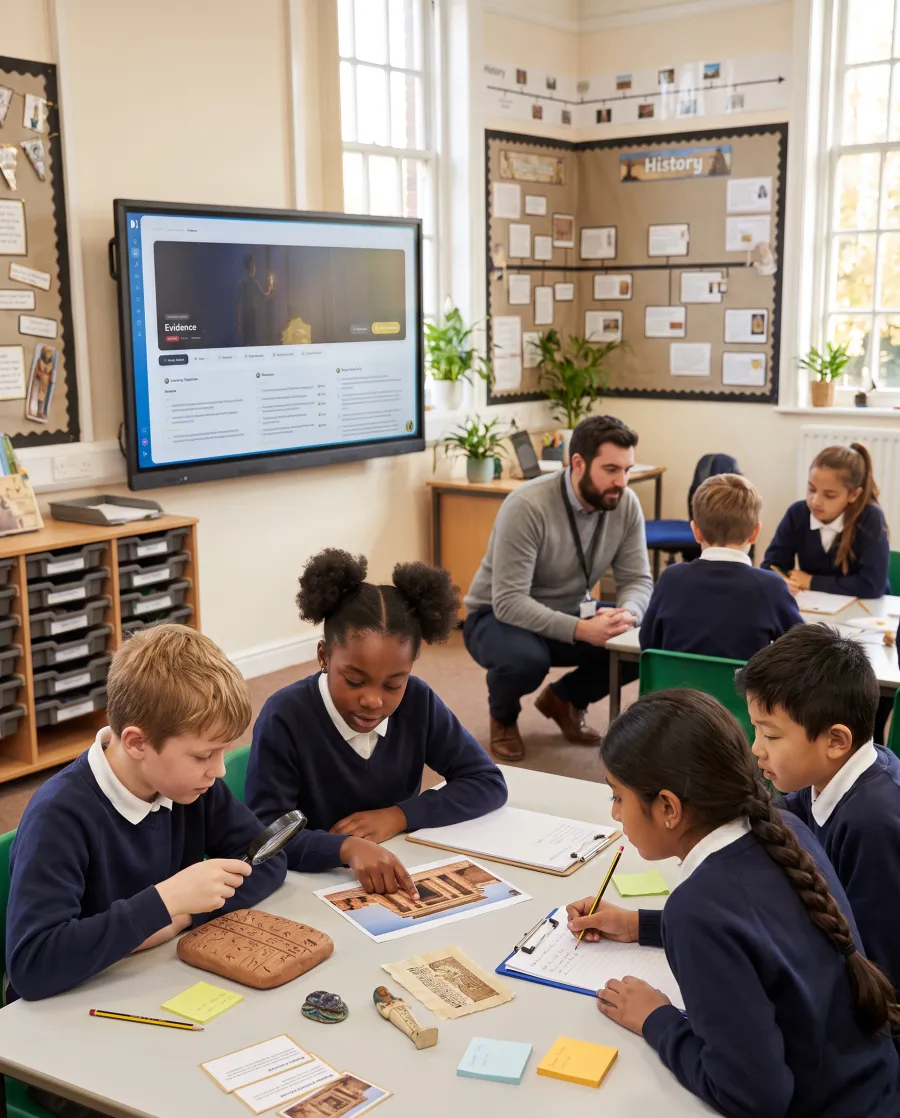
Films, songs, sources and practical activities come ready for every theme, with thoughtful pedagogy built into each step.
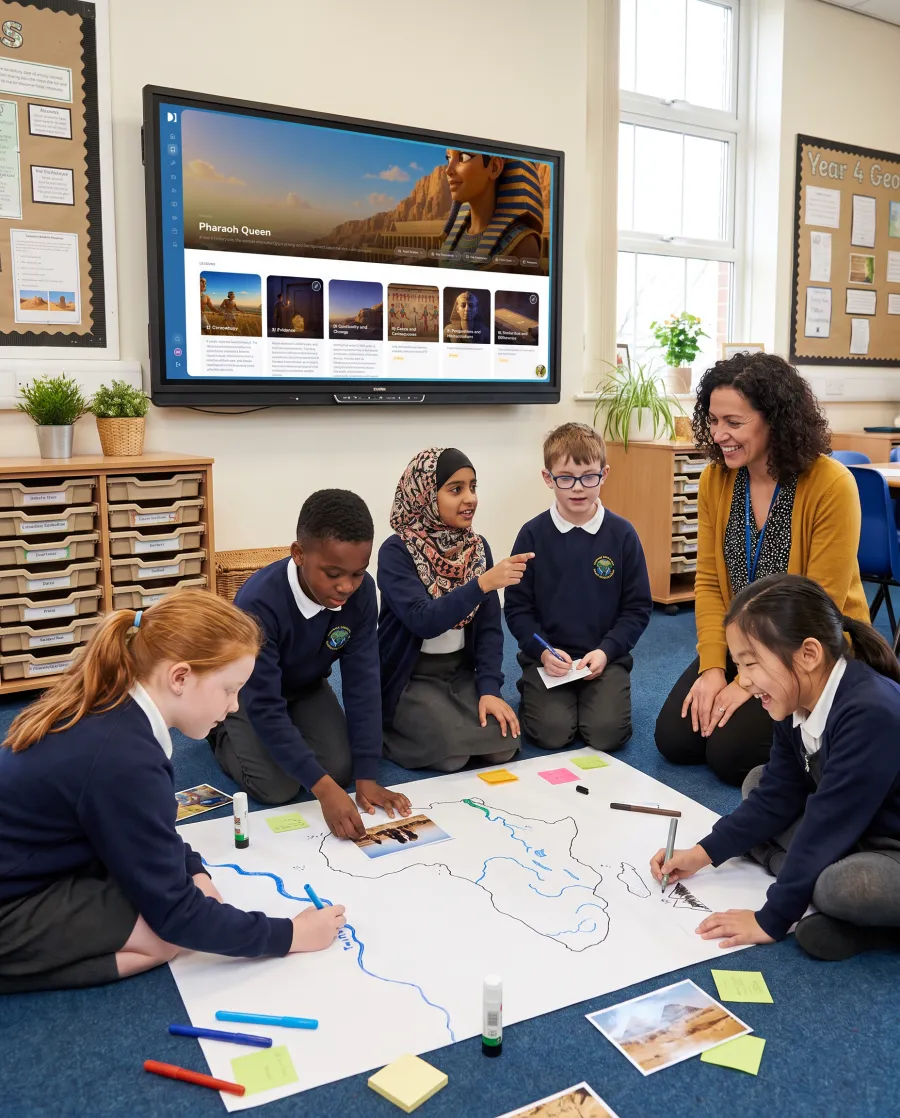
Group investigations, shared boards and whole-class outcomes help children build ideas together.
 Coming soon
Assessment woven through each theme, so you can see progress as the learning happens.
Not looking for a full curriculum? Then explore Dimensions Schemes: the same care, structure and progression, but available subject by subject.

Twenty units from Year 1 to Year 6, each taught through the six History Pillars of Learning.
Explore the History scheme
Singing, listening, performing and creating music, with progression built in.
Explore the Music scheme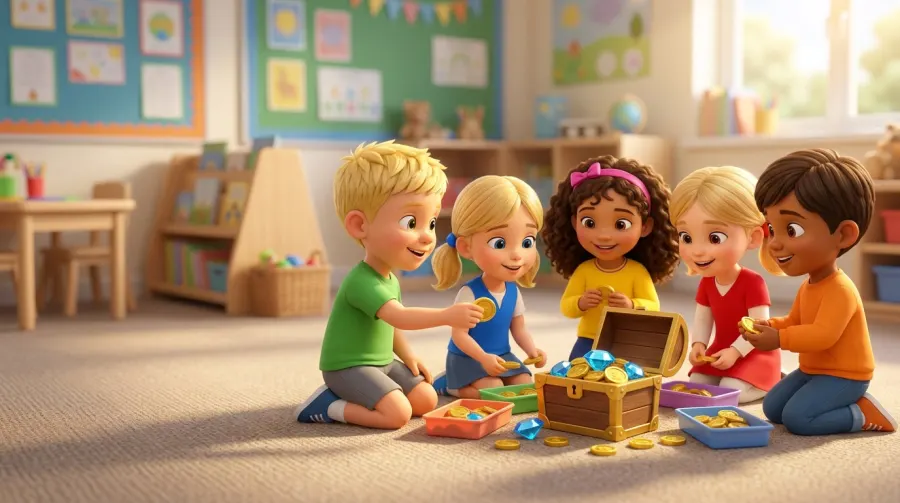
Relationships, wellbeing, safety and growing up.
Explore the PSHE scheme Coming soon
Places, maps and the world beyond the classroom.
 Coming soon
Questions, investigations and how things work.
“As a primary pupil referral unit, creating genuine engagement is essential for our learners. We were looking for a curriculum that places children at the heart of everything and encourages them to immerse themselves in purposeful, meaningful activities. Dimensions has proved to be a strong fit because it enables our pupils to be active, curious learners rather than passive recipients of information. It brings learning to life in a way that motivates them and supports high-quality learning throughout. Plus, the children just love the curriculum!”
“Our school fully embraced the Dimensions curriculum and it has brought the world to our classrooms!”
“As a school we are really pleased with our decision to go with Dimensions. It has changed the way we teach our topic lessons as a school and has elevated the quality and diversity of the topics taught throughout KS1 and KS2. It is wonderful how the same theme can be so diverse across all age ranges and it has given teachers the confidence to explore themes they may not have taught previously.”
 Scoill Phurt Le Moirrey
“Dimensions Curriculum is amazing! We’ve used it for a few years now and the children absolutely love the different topics and are really engaged by the modern and relevant aspect of these. … Added to this is the amazing support that you get from the Dimensions team and nothing is ever too much trouble.”
“Introducing the curriculum has been a real game-changer for our team. It’s clear, well-structured, and genuinely supportive of high-quality teaching. Planning is now more streamlined and consistent, while still allowing flexibility for individual classes and teaching styles. The progression is easy to follow, expectations are clear, and it’s saved us valuable time without compromising creativity or impact. A thoughtfully designed resource that’s already making a positive difference in our classrooms.”
 Woodford Halse School
“As a class teacher I have really enjoyed using both the Dimensions Curriculum and 3D PSHE. Both products have been very well designed with clear, progressive and sequential plans, incorporating creative, engaging ideas and have given me the peace of mind to know I am teaching the children a quality curriculum. Wouldn’t expect anything less from a product designed by teachers, for teachers. Thank you Dimensions team!”
“The Dimensions 3D PSHE curriculum map, programs of study and enrichment unit are so well organised! I am very excited to use it all!”
“Children in my school using Dimensions are motivated to learn and can articulate what they are learning and why they are learning it. … The curriculum maps, knowledge organisers and other documents available for subject leadership are super handy and also save on workload. It is excellent value for money.”
“Introducing the curriculum has taken the weight off leaders knowing that everything is covered with clear progression documents. Children are getting the breadth and depth of coverage required. It has made a really positive impact especially when planning for mixed age classes. It is great to have the support available for ever changing class structures.”
 Beeston Primary School
“I have had an extremely positive experience with Dimensions. They are a fabulous company, producing products to a very high standard that really engage children. Their curriculum is amazing and using it, I have had outstanding progression, engagement and enjoyment both from the children and myself! I would wholeheartedly recommend Dimensions!”
“Music Crew gives teachers much more confidence when teaching music lessons. The children look forward to music and remember what they have learned from previously. The progression is excellent. Music Crew can be adapted to meet the needs of individual classes and the needs of the school.”
 Warton St. Paul’s CE School
“It allows teachers to do what they do best, create engaging schemes of work and lessons and then teach accordingly, safe in the knowledge that statutory demands are covered and progression ensured … Our successful inspection outcomes are testament to the confidence we have in Dimensions. I could not ask for more from Dimensions.”
“We contacted the Customer support team and requested a new document that had the lesson codes and learning objectives for each year group, for each term. They were more than happy to help and emailed the documents to us the same day which was very helpful and exactly what we needed.”
 St Andrew’s School
“As a teacher, working in an international school in Hong Kong I have followed the Dimensions Curriculum Thematic Units for a few years now, and I cannot recommend these resources highly enough. I absolutely love how it engages my students, by making learning fun, relevant and interesting for them. … Oh, and I should also mention all the time they save me in planning.”
“Absolutely loved using the Dimensions Curriculum. It was flexible and creative and allowed us to shape the learning in our school in such a way that it was relevant and purposeful for everyone involved, including the teachers! I enjoyed working with Elaine throughout, and found the support provided to myself as curriculum leader and the staff training given to be excellent.”
“I bought the PSHE Curriculum for my School. The resources are just fantastic! They are packed full of great ideas, easy to use and relevant. I would highly recommend all their resources to any teacher. It’s definitely the way forward.”
“From a teacher’s perspective, this curriculum has revitalized lesson planning. … Overall, this curriculum has been a game-changer. It has enhanced engagement, deepened learning, and created a more dynamic and enjoyable experience for both students and staff. We wholeheartedly recommend this approach to any ASD school …”
“We have worked with Elaine and the Dimensions team for over 5 years. The staff enjoy teaching the theme units and the pupils love their learning. Ofsted were very impressed with our curriculum and praised the creative learning and experiences the pupils were encountering. … Our school love it.”
“They are a fantastic company with a wealth of knowledge and understanding. Their products are inspiring, innovative, unique to the market and importantly they are fun and exciting. I would recommend every school to have a visit from Elaine or her team, it’s a decision you won’t regret!”
“Have used Dimensions to enhance our school curriculum for many years with much success and great results. The support of the Dimensions team and their curriculum has also helped us through two successful OFSTED visits! Would highly recommend.”
“We have seen the knowledge and skills of our children deepen and their experiences in the classroom and of the wider world have broadened. … We have made so many meaningful connections to our whole school vision and values.”
“Excellent curriculum resources with outstanding provision for all age groups.”