
New Primary Curriculum: Reflections or Transparency?
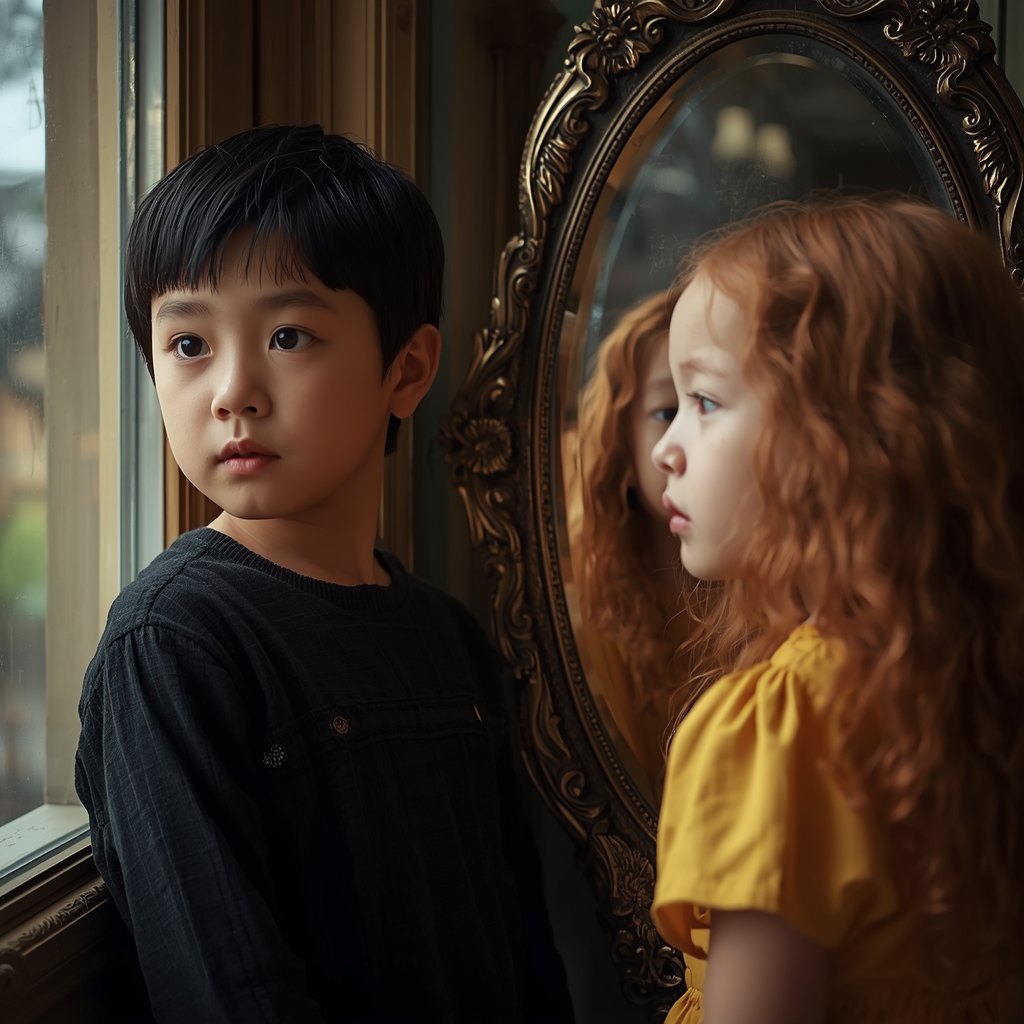
I read a post the other day by one of my favourite education bloggers, David Didau. The gist of it explained a concept that some of you will be familiar with – whether the new primary curriculum should be seen as a mirror or a window… or both! It really got me thinking, and here are my reflections (pardon the pun!)
The Curriculum as a Mirror
Reflecting Identity and Experience
What do we mean by a curriculum that serves as a mirror? Well, children like to see themselves, their backgrounds, and their communities represented in what they learn. When pupils encounter stories, histories, and examples that resonate with their own lives, it fosters a sense of belonging and validation.
Here’s a real-life example of this. During a theme where the class was exploring family traditions and celebrations, the teacher asked if anyone wanted to share a special family celebration. Aarav put his hand up right away. He started telling everyone about Diwali – how his family lights little lamps called diyas, makes loads of delicious sweets, and decorates the house with colourful rangoli patterns.
Everyone loved hearing about it, and the teacher asked Aarav if he’d like to bring in some photos or maybe even some homemade treats. The next day, Aarav came in with a big grin on his face, carrying a plate of ladoos to share and a few photos of his family’s Diwali decorations. His classmates were fascinated, asking all sorts of questions. It helped them reflect on their families’ own special celebrations, like Christmas and Eid.
By the end of the week, the classroom walls were covered in drawings and stories about all the different ways families celebrate. Aarav felt proud that his story was up there with everyone else’s, and the whole class got to see a bit of themselves (and each other) in what they were learning.
By making space for every child’s story, the curriculum became a mirror-reflecting the diversity within the room and affirming each pupil’s sense of identity. The whole class developed greater empathy and respect for one another.
This “mirror” approach not only boosts self-esteem but also encourages active participation and engagement in learning.
The Curriculum as a Window
Expanding Horizons and Inspiring Curiosity
Equally important is the curriculum’s role as a window. Through carefully chosen content and experiences, pupils are introduced to people, places, and ideas beyond their immediate environment. This helps foster curiosity, open-mindedness, and a willingness to consider different viewpoints.
A “window” curriculum might introduce children to global challenges such as conservation, explore cultures and traditions from around the world, or encourage them to consider issues from multiple perspectives. By stepping outside their own lived experiences, pupils develop empathy and a broader understanding of the world. This is vital preparation for life in an inter-connected, multicultural society.
Enriching Pupils’ Learning and Worldview
In today’s diverse and rapidly changing world, the role of curriculum should extend far beyond simply covering statutory requirements or preparing pupils for assessments. At its best, we believe that the curriculum should act both as a mirror, reflecting pupils’ own identities, experiences, and cultures, and as a window, opening up new perspectives and broadening horizons.
This dual function is essential in nurturing confident, empathetic, and globally minded learners.
Balancing Mirrors and Windows in Curriculum Design
Striking the right balance between mirrors and windows is an ongoing process. It requires thoughtful curriculum design, regular review, and the flexibility to adapt to pupils’ needs and interests. At Dimensions Curriculum, we believe that a truly effective curriculum is both creative and rigorous, combining statutory requirements with meaningful opportunities for personal growth and global awareness.
Our curriculum is built around four key drivers: Communication, Culture, Conflict, and Conservation. These themes encourage both self-reflection and outward exploration. For instance, pupils might explore their own cultural heritage while also learning about traditions from other countries. They might consider local environmental issues as well as global conservation efforts. This blend ensures inclusivity, while also challenging young learners to think beyond their immediate context.
The Impact: Confident, Compassionate, and Curious Learners
When the curriculum acts as both mirror and window, the impact is profound. Pupils are more likely to feel self-confident, respectful of others, and motivated to engage with the wider world. They develop the skills and attitudes needed for human flourishing, to help them thrive in a diverse society, skills like communication, empathy, adaptability, and a lifelong love of learning.
Especially with the advent of the new National Curriculum nearly upon us, we need to remember that the best curriculum is not just about what is taught, but how and why it is taught. There is a danger is that if we prioritise the mirror approach, this can lead to an inward facing, narrowed curriculum. Equally, a weighted window approach can lead to a lack of personal connection.
By acting as both a mirror and a window, we can ensure that their curriculum journey is a transformative experience for every child. It should be one that recognises their unique story and inspires them to see the world through fresh eyes.
If you want to read about this in more depth, take a look at https://daviddidau.substack.com/p/should-the-curriculum-be-a-mirror?utm_campaign=post&triedRedirect=true
To read more about our Curriculum – click here
 Scoill Phurt Le Moirrey
 Woodford Halse School
 Beeston Primary School
 Warton St. Paul’s CE School
 St Andrew’s School