
The Primary Curriculum – Opportunity and challenge for all?

SEND in Primary School: Supporting Every Learner
How do we make sure our Curriculum for SEN really delivers?
When we talk about education, the goal is clear: every child deserves the chance to be successful and thrive. For SEND pupils, those with Special Educational Needs and Disabilities, this means having a school experience that’s not just inclusive, but truly tailored to their unique strengths and challenges. Recent reports highlight that this has become an increasing concern for schools where teachers, despite their best efforts, are struggling to meet the expectations of the increasing demand for SEND.
So, what Does SEND Mean in Primary Schools?
In a typical primary school classroom, you’ll find a wonderful mix of learners, some of whom might need extra support to access the curriculum or to thrive socially and emotionally. SEND pupils may have difficulties with communication, learning, physical needs, or emotional and behavioural challenges. In some cases, additional support for these pupils is slow to materialise.
Why the Right Curriculum for SEN Matters
A one-size-fits-all approach can often make learning especially challenging for SEND pupils. They need a curriculum that:
- Is flexible: Able to adapt to provide excellent learning opportunities through purposeful and effective teaching in a variety of settings, including special schools
- Promotes inclusion: Ensures SEND pupils feel part of the class, not apart from it.
- Focuses on progress: By celebrating every milestone, big or small.
- Builds confidence: Providing learning opportunities that pupils can relate to, leading to greater motivation and higher self-esteem
- Offers practical support: By building on experiences, resources, scaffolding, and differentiation to break down barriers.
- Provides opportunities for assessment: By threading assessment opportunities through the curriculum, the outcomes become more meaningful for intervention and future planning.
- Is OFSTED ready: The structure and content fully meet OFSTED requirements and national curriculum standards
What Does Great SEND Provision Look Like?
- Personalised Learning: Teachers are able to adapt lessons, offer alternative activities, include meaningful learning opportunities and use technology where needed to support and meet the specific needs of their pupils
- Holistic Support: It’s not just about academic achievement, critical thinking, wellbeing, creative, social skills, and independence matter too.
- Staff Training: Ongoing professional development which ensures staff are given the opportunities to develop their own skills and knowledge to the highest level and where everyone feels confident supporting SEND pupils.
- Family Partnerships: Schools work closely with families to understand each child’s needs and celebrate successes together.
SEND Pupils and Thematic Curriculum
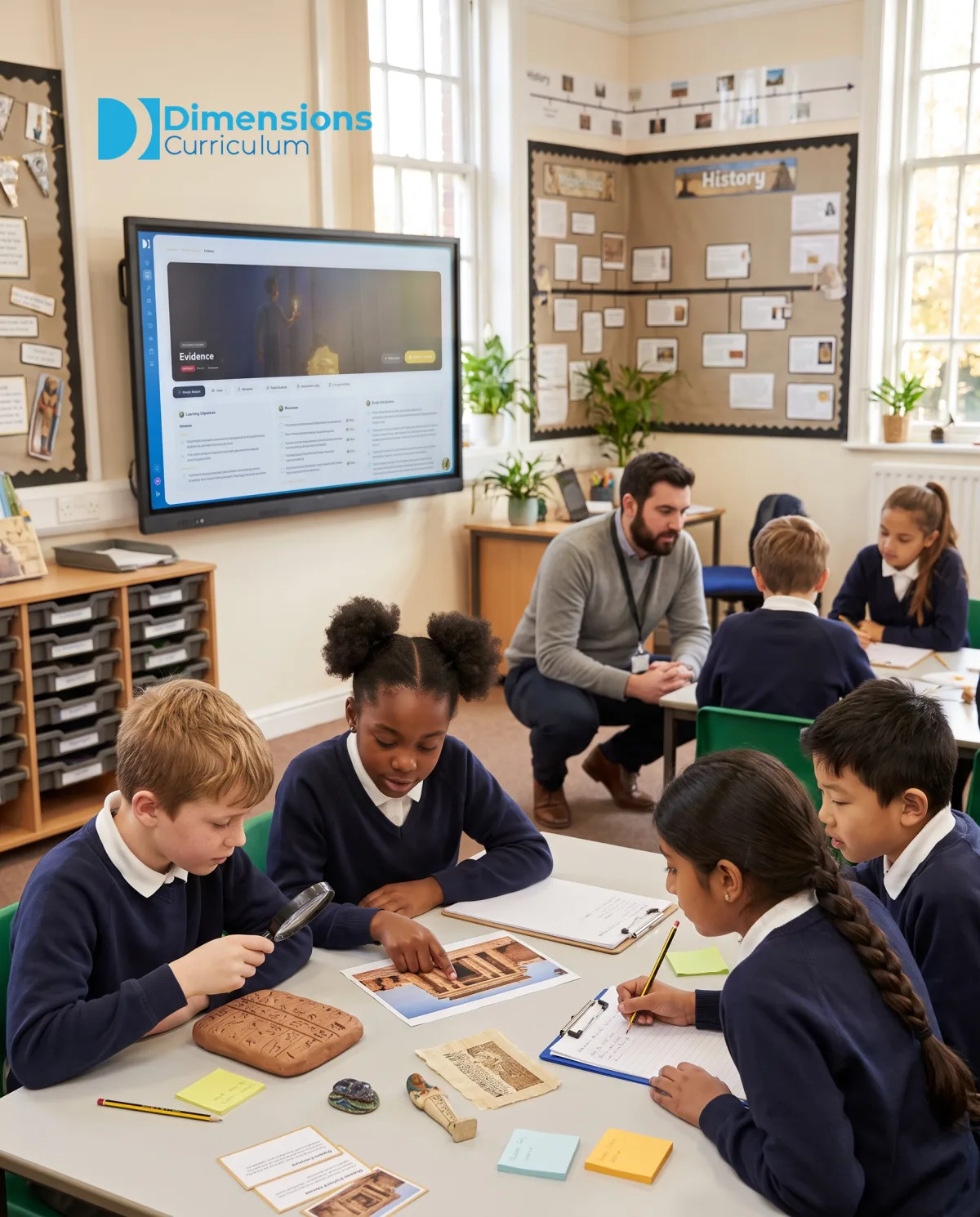
A thematic, skills-based curriculum (like ours at Dimensions Curriculum) is working wonders for SEND pupils. Why? Because it:
- Connects learning to real life, making it more meaningful.
- Incorporates a whole range of learning opportunities and experiences (including sensory) within a range of pedagogical approaches
- Inspires, motivates and challenges all children
- Offers multiple entry points for different abilities.
- Encourages creativity and experiential hands-on learning.
- Provides structure, but allows for flexibility and personalisation.
- Includes assessment opportunities using a range of evidence to build a holistic picture of each child’s progress
Conclusion
With the right curriculum for SEN, primary schools can nurture not only academic success, but also build confidence, curiosity, and a lifelong love of learning for all pupils. Discover how our Learning Means the World Curriculum can help your SEN school unlock every child’s potential, get in touch today to find out more!


 Scoill Phurt Le Moirrey
 Woodford Halse School
 Beeston Primary School
 Warton St. Paul’s CE School
 St Andrew’s School