
Teachers Work Too Hard

Balancing the Load: Protecting Purpose in Primary Teaching
Ask any primary teacher what’s most fulfilling about the job, and the answer will often boil down to the same core themes: relationships with pupils, the joy of seeing progress, and the creative craft of teaching. But these same professionals are also carrying an increasingly heavy load, planning, resourcing, assessing, evidencing, adapting…the list goes on, often long into evenings and weekends.
Workload has become a defining issue in UK primary education. Yet the conversation must go beyond how much teachers do; it must also consider how we work, why we work the way we do, and what we can change without sacrificing quality or purpose.
The Weight of the Role
The Department for Education’s Working Lives of Teachers survey continues to show that most primary teachers work well beyond their contracted hours, with planning and marking topping the list of the most time-consuming tasks. Add to this the informal pressures of comparison, perfectionism, or feeling the need to prove impact, so it’s little wonder that work/life balance feels elusive.
Yet teaching is more than a job. For many, it’s a vocation. That sense of purpose is powerful but it can also lead to blurred boundaries. Teachers are often generous with their time, energy and creativity, but too often, this generosity comes at the cost of their own wellbeing.
Efficiency Without Erosion
The challenge, then, is to make the job sustainable without hollowing out its core. Teachers need space to think, plan, and create. But they also need to do this in ways that protect their energy and wellbeing.
Here are some approaches that teachers use to ease the pressure:
Plan Collaboratively, not Individually
Too much planning time is still spent behind closed doors. Where schools make curriculum maps and medium-term planning a shared effort, drawing on subject leads, year group teams, and existing resources, everyone benefits. Teachers can then focus more time on the specifics: adapting lessons to their class, preparing for individual needs, and fine-tuning the teaching.
Use, Don’t Just Make
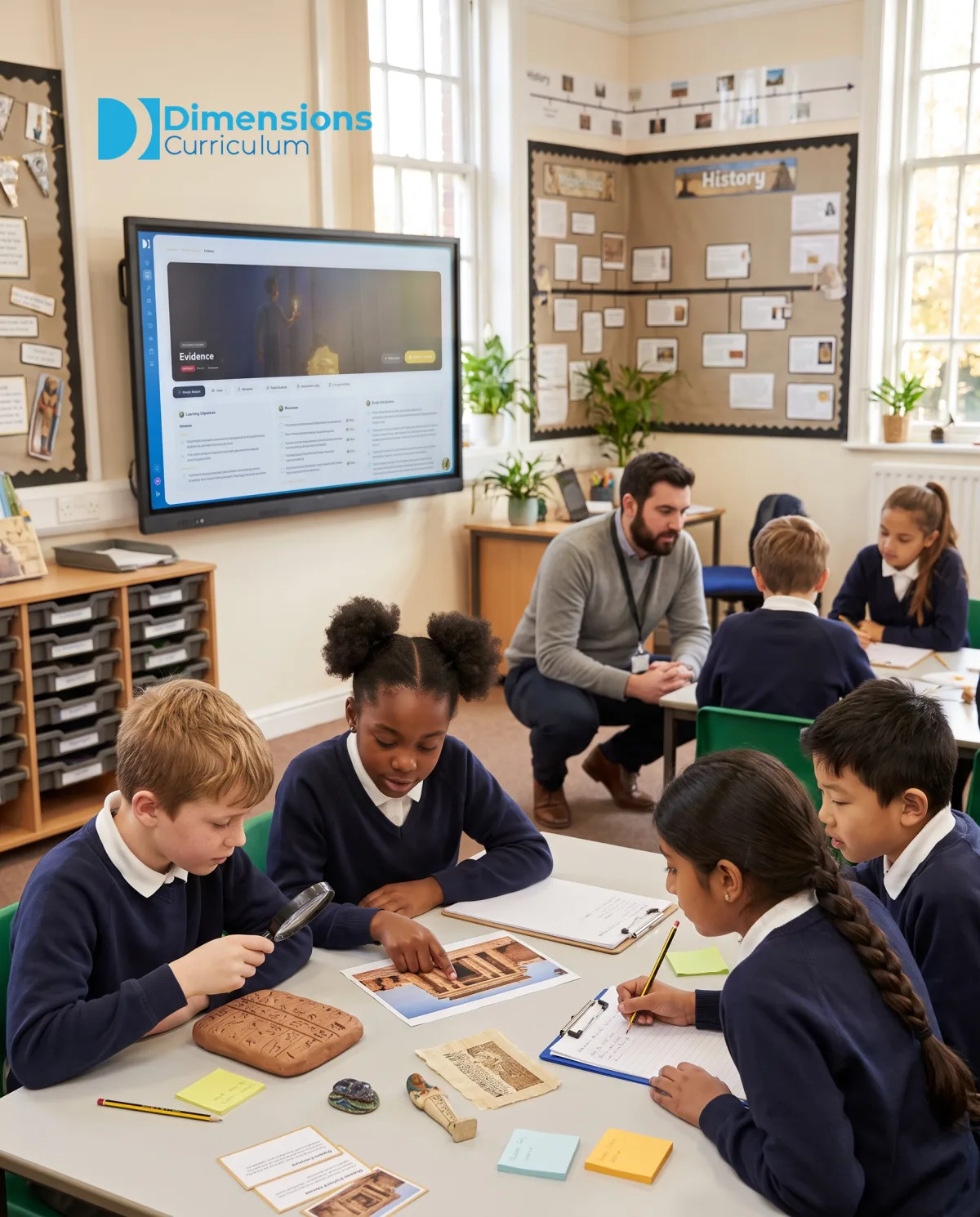
Not every lesson needs to be created from scratch. Using quality shared resources, commercial schemes, or AI-generated drafts (with careful review) can ease the load. The key is adapting materials thoughtfully, not reproducing them blindly or reinventing the wheel weekly.
Prioritise Impact Over Appearance
Time spent creating perfect displays or colour-coded worksheets often has minimal impact on learning. Where workload is high, schools should collectively identify what really impacts pupil progress and be brave enough to say no to things that don’t.
Use Tech Mindfully
From automating spelling tests to voice-noting pupil feedback, simple tech tools can save time. But they need to be introduced strategically, with proper training, and used to serve pedagogy not replace it.
Protect Thinking Time
Quiet, uninterrupted time is rare in school. But it’s essential. Whether through protected PPA, dedicated time for subject leadership, or structured co-planning, schools should defend time for teachers to think deeply not just act reactively.
The Importance of Craft
None of this should diminish the importance of teachers creating their own planning and resources. This is where professional autonomy lives, where a teacher’s voice and judgement come through. But that work needs to be manageable, not heroic. Crafting excellent lessons is not about working longer, it’s about working smarter, together.
A Culture That Cares
Sustainable workload is not just about individual strategies. It’s about school culture. Leaders who model boundaries, prioritise wellbeing, and value teacher expertise create environments where staff can thrive. Professional generosity and vocational purpose should be supported, not exploited.
Final Thought
Primary teaching will always be demanding, it’s complex, human, and deeply relational. But it doesn’t have to be overwhelming. With collective effort, mindful working, and permission to do things differently, we can protect both the quality of education and the people who teach it.
It’s not about doing less, it’s about doing the right things, in the right way, for the right reasons.

 Scoill Phurt Le Moirrey
 Woodford Halse School
 Beeston Primary School
 Warton St. Paul’s CE School
 St Andrew’s School