
Supporting Meaningful Classroom Discussion in Primary Schools
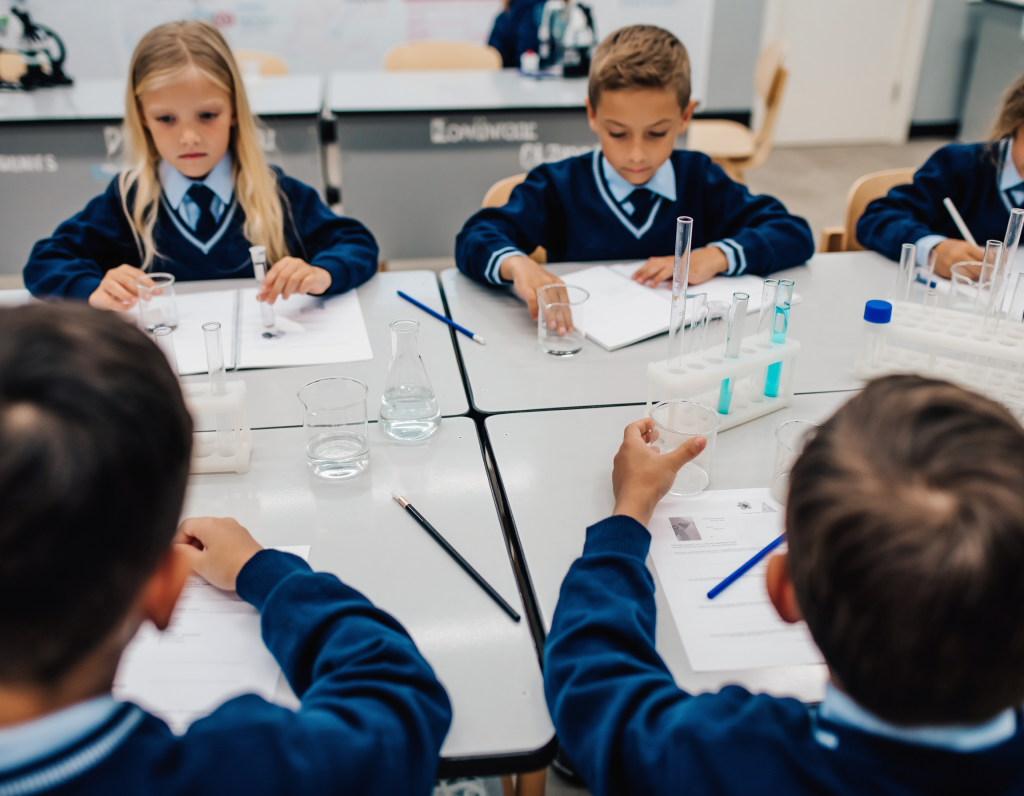
Throughout my teaching career, one thing has remained consistently clear to me – children learn best when they are given opportunities to talk meaningfully about their learning.
As both a class teacher and school leader, I have seen first-hand how high-quality classroom discussion can transform confidence, deepen understanding and improve outcomes across the curriculum. Some of the most significant improvements I have witnessed in writing, vocabulary, reading comprehension and problem solving have stemmed from giving children structured opportunities to articulate their thinking aloud.
Early in my leadership experience, I became increasingly interested in how discussion could unlock confidence for children who often struggled to communicate their ideas through writing alone. We began embedding more oracy-driven approaches into lessons through drama, debates, hot seating, mock trials and collaborative problem-solving activities linked to wider curriculum themes.
The impact was immediate. Children who had previously been reluctant to contribute during written work became deeply engaged when asked to defend a viewpoint, speak in role as a historical figure or discuss a scientific problem as part of a team challenge. I remember pupils passionately debating whether particular historical decisions were justified, using evidence confidently because they were emotionally invested in the discussion. That confidence gradually transferred into their writing as well. Vocabulary became richer, explanations became clearer and children became far more willing to take risks with their ideas.
One of the approaches I found particularly effective was using visualisers to model thinking in real time. Rather than simply presenting finished work, we explored the process together. Teachers and pupils talked through ideas collaboratively, discussing improvements, clarifying misconceptions and refining responses as a class. It created a culture where thinking became visible and discussion became part of learning itself rather than something separate from it.
I also began using more creative digital approaches such as stop-motion animation within thematic curriculum projects, allowing the children to narrate and talk through their work. What stood out was how naturally these activities encouraged purposeful talk. Children planned narratives together, negotiated ideas, solved problems collaboratively and refined their thinking through discussion. Often, quieter pupils who were less confident during whole-class teaching became far more engaged because the learning felt active, creative and shared.
This is why I believe oracy is fundamental to effective teaching and learning. Before children can write confidently, explain reasoning clearly or apply knowledge independently, they first need opportunities to explore ideas verbally. Approaches such as Talk for Writing and Talk for Science recognise this well. Oral rehearsal helps children internalise vocabulary, sentence structures and concepts before applying them more independently.
When discussion is embedded effectively within lessons, staff gain a much clearer understanding of what pupils genuinely know and understand. Misconceptions become easier to identify, vocabulary gaps become more visible, and teaching can be adapted more responsively. It also creates opportunities for teachers themselves to be creative and collaborative in their practice.
Looking ahead to the new curriculum in 2027/8, I believe oracy will become even more important. As technology and artificial intelligence continue to develop within education, children will increasingly need the confidence to question, explain, evaluate and communicate effectively. Tools such as classroom chatbots may support learning and discussion in exciting ways, but they will never replace the importance of children learning to articulate ideas, collaborate thoughtfully and listen carefully to others.
Meaningful classroom discussion sits at the heart of great teaching. When children feel confident enough to speak, question and explore ideas openly, they become more confident learners in every area of the curriculum.

 Scoill Phurt Le Moirrey
 Woodford Halse School
 Beeston Primary School
 Warton St. Paul’s CE School
 St Andrew’s School