
Standing Tall: Building Self-Esteem and Resilience
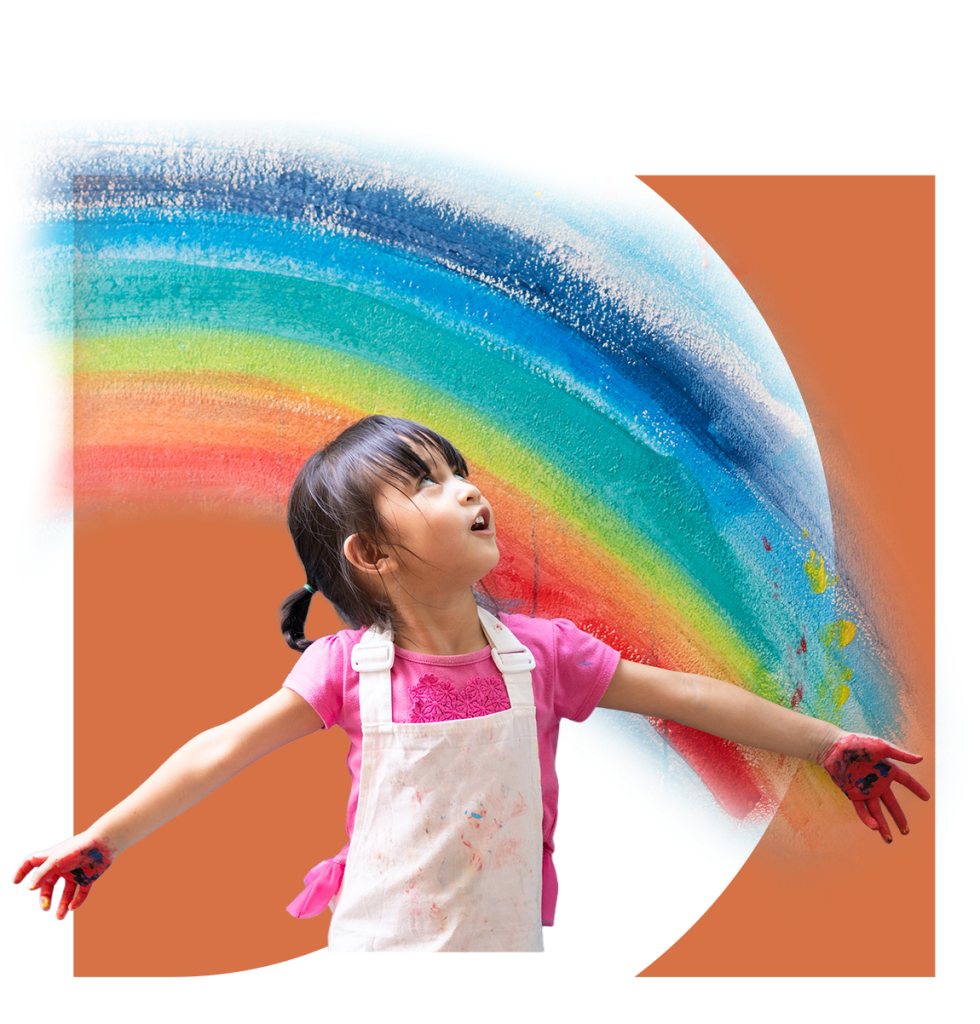
When was the last time you felt life was putting you through a spin cycle? We all have times when we need to dig deep and ride the storm. But how do we do that if we haven’t got the necessary tools to help us navigate the challenges life throws at us?
That’s why self-esteem and resilience aren’t and shouldn’t be “nice to have” extras. They sit right at the heart of pupils’ wellbeing, behaviour, learning, and relationships. When children believe they can cope with challenges, recover from setbacks, and keep trying, anything becomes possible.
That’s why Building Self-Esteem and Resilience is not treated as a one-off theme or an occasional circle-time conversation. It’s built into our PSHE curriculum in a structured, age-appropriate way, and strengthened through linked assemblies that bring the learning to life.
Why Self-Esteem and Resilience Matter
Children face real pressures, from friendship fallouts, to worries about getting things wrong: changes at home, to social media influences.
A strong PSHE approach helps pupils:
- Recognise their strengths (without comparing themselves to others)
- Understand that mistakes are part of learning
- Practise positive self-talk and realistic goal setting
- Develop coping strategies for disappointment, conflict, and change
- Ask for help and offer it to others
In other words, it supports pupils to feel capable and valued, even when life feels tricky.
Built into the Curriculum (not bolted on)
Because resilience is a skill, it needs teaching, revisiting, and practising, just like reading or maths.
Within our PSHE curriculum, self-esteem and resilience are developed through well-sequenced lessons that help pupils build understanding over time. Pupils explore what confidence looks and feels like, how to respond when things don’t go to plan, and how to keep going when something is difficult.
Importantly, the learning is practical. Pupils don’t just hear that resilience is important; they practise it through scenarios, discussion, role play, reflection, and simple strategies they can use in the moment.
Assemblies That Connect Learning to Real Life
Lessons build skills. Assemblies build a shared culture.
Alongside the curriculum, we provide assemblies linked to resilience that explore real-life situations where people have demonstrated resilience. These aren’t abstract stories that feel far away from children’s lives. They’re carefully chosen examples that help pupils see:
- Everyone faces challenges, even people they admire
- Resilience doesn’t mean never struggling; it means continuing anyway
- Support matters: resilience is often built with help from others
- Small choices (trying again, speaking up, practising) can change outcomes
Assemblies also create a common language across the school. When pupils hear the same messages in a whole-school setting, it reinforces what they learn in class and helps staff refer back to shared examples later.
A Whole-School Approach That Pupils Can Feel
When self-esteem and resilience are taught consistently, and modelled across the school, pupils begin to internalise a powerful message: I can handle this.
That doesn’t mean children never feel anxious, upset, or frustrated. It means they have tools, the language, and support to navigate those feelings and keep moving forward.
It is about more than building confidence for a moment. It’s about helping pupils develop the inner steadiness they’ll need for the next challenge, the next change, and the next stage of their lives.
 Scoill Phurt Le Moirrey
 Woodford Halse School
 Beeston Primary School
 Warton St. Paul’s CE School
 St Andrew’s School