Once Upon a Toy Box: a Year 1 toys cross-curricular topic
Why do people keep some things for a very long time?
A battered box comes down from the attic, one toy at a time, and every toy has a story to tell.
Year 1Also suits Year 2
22Sections to teach
7Subjects, one story
HistoryLead subject
Once Upon a Toy Box, at a glance.
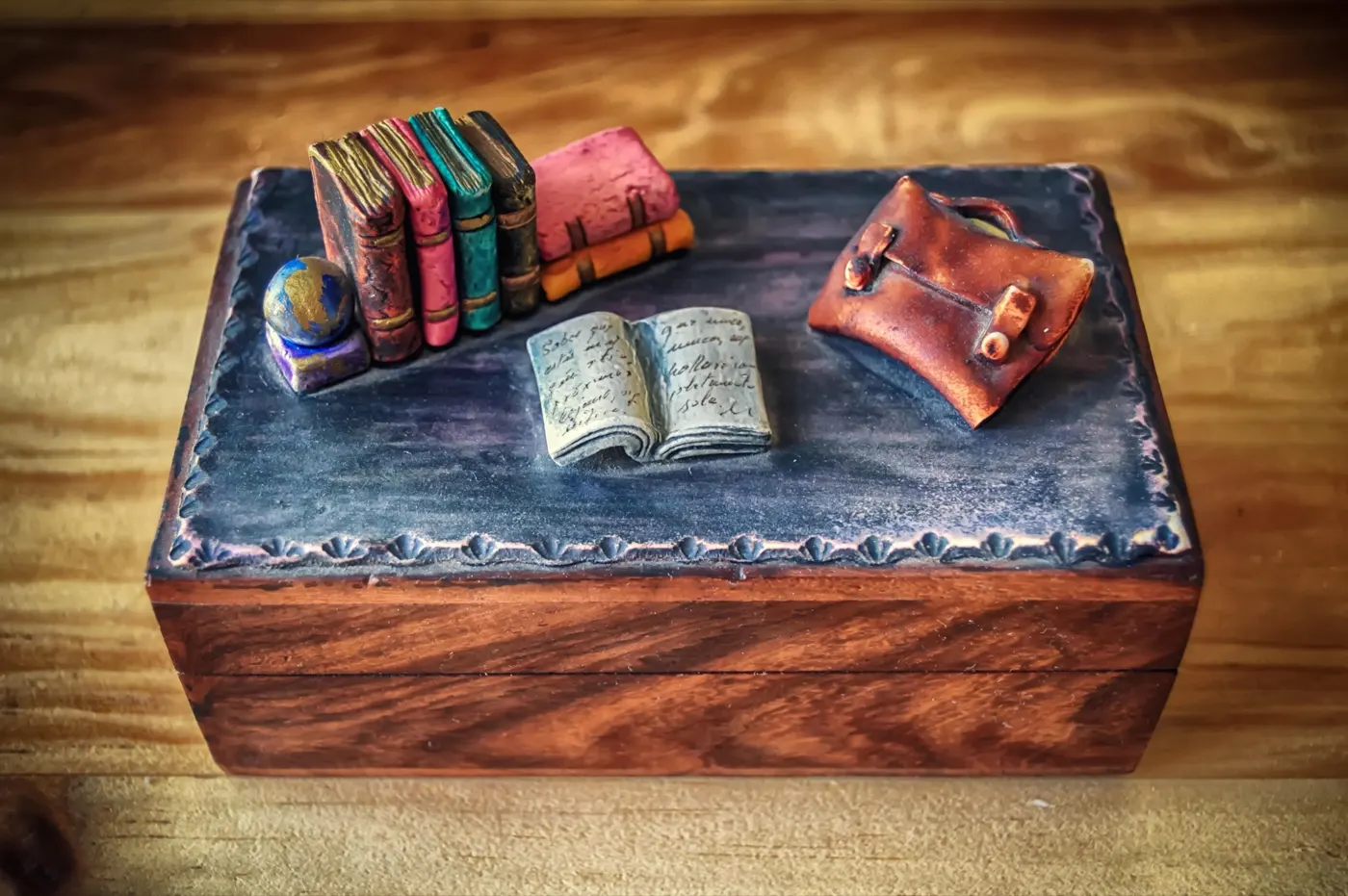
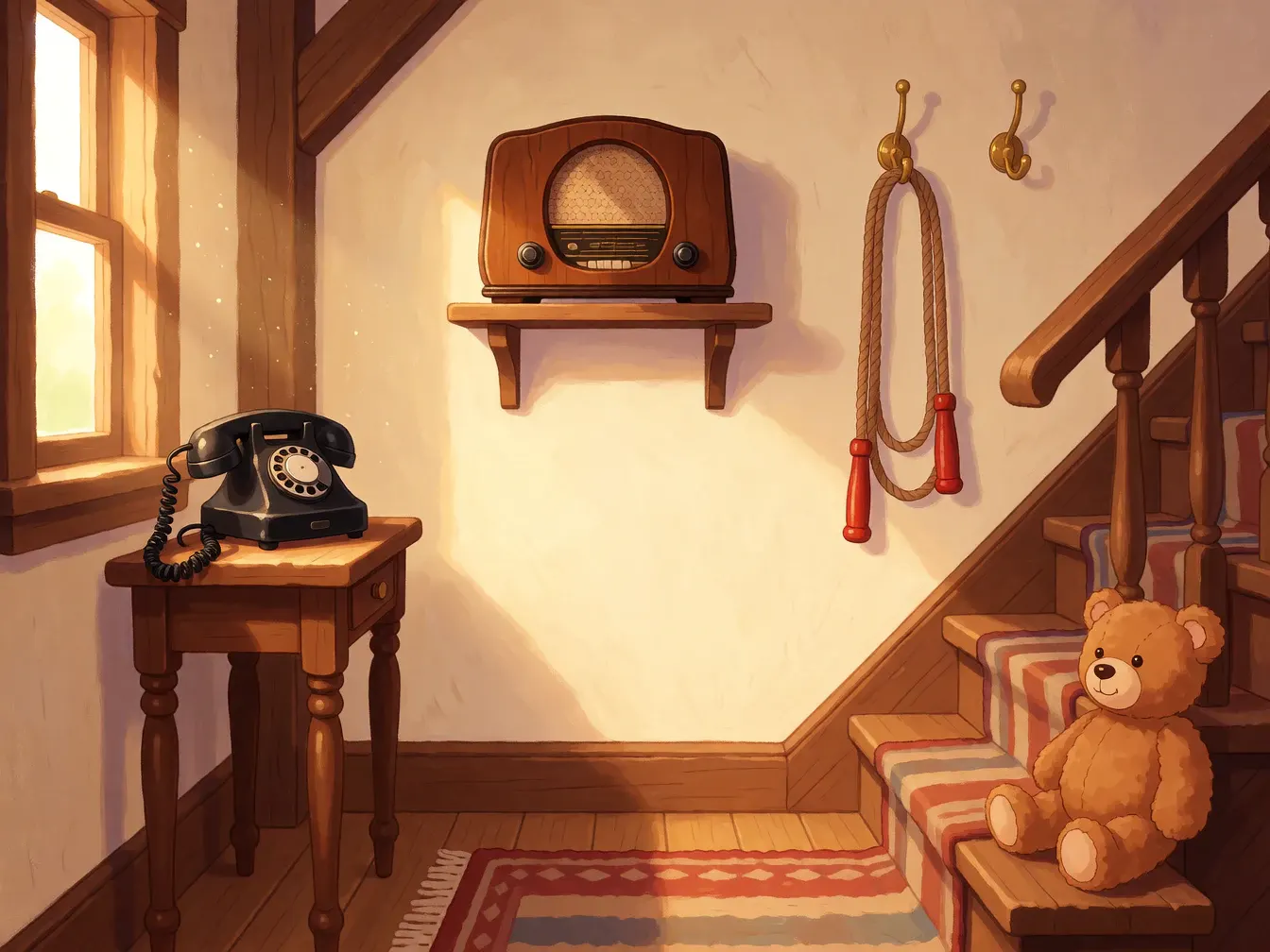
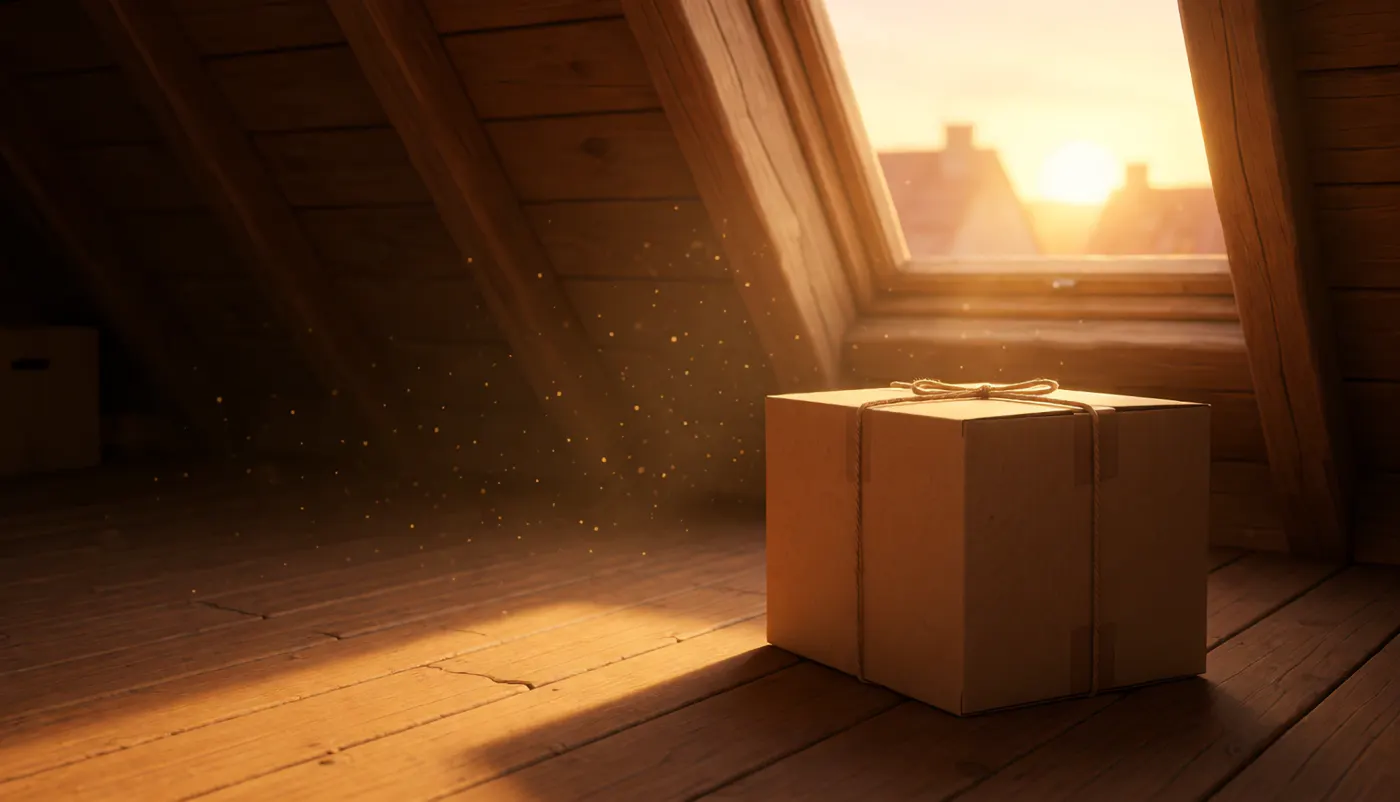
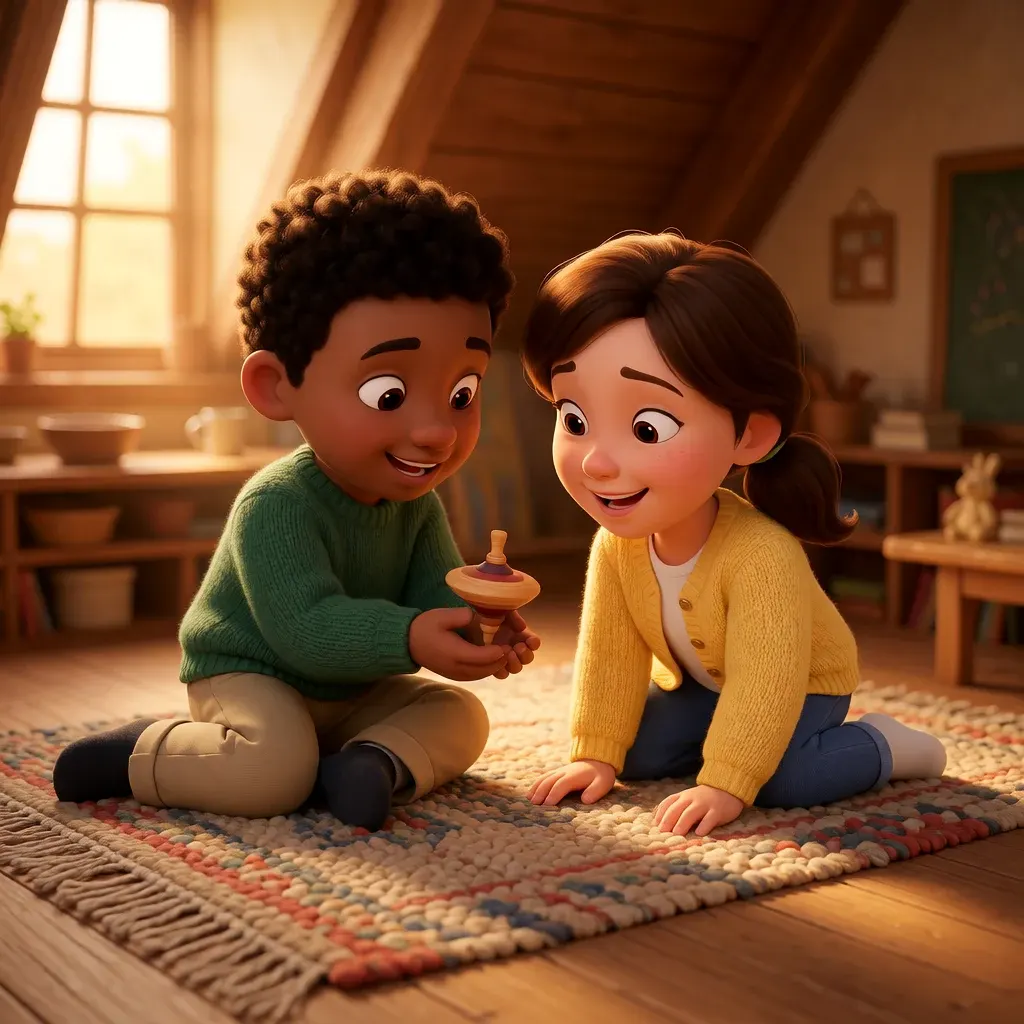
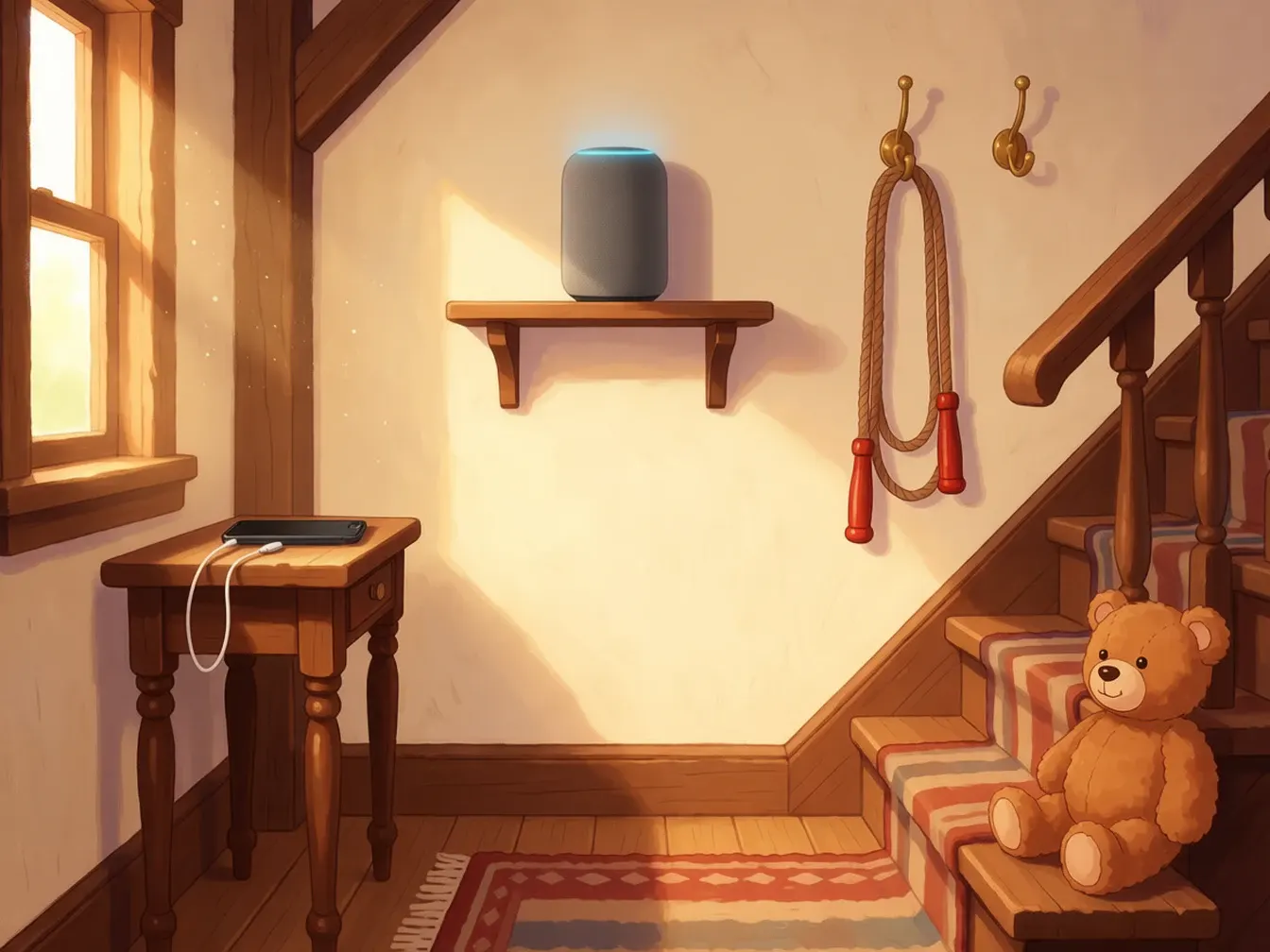
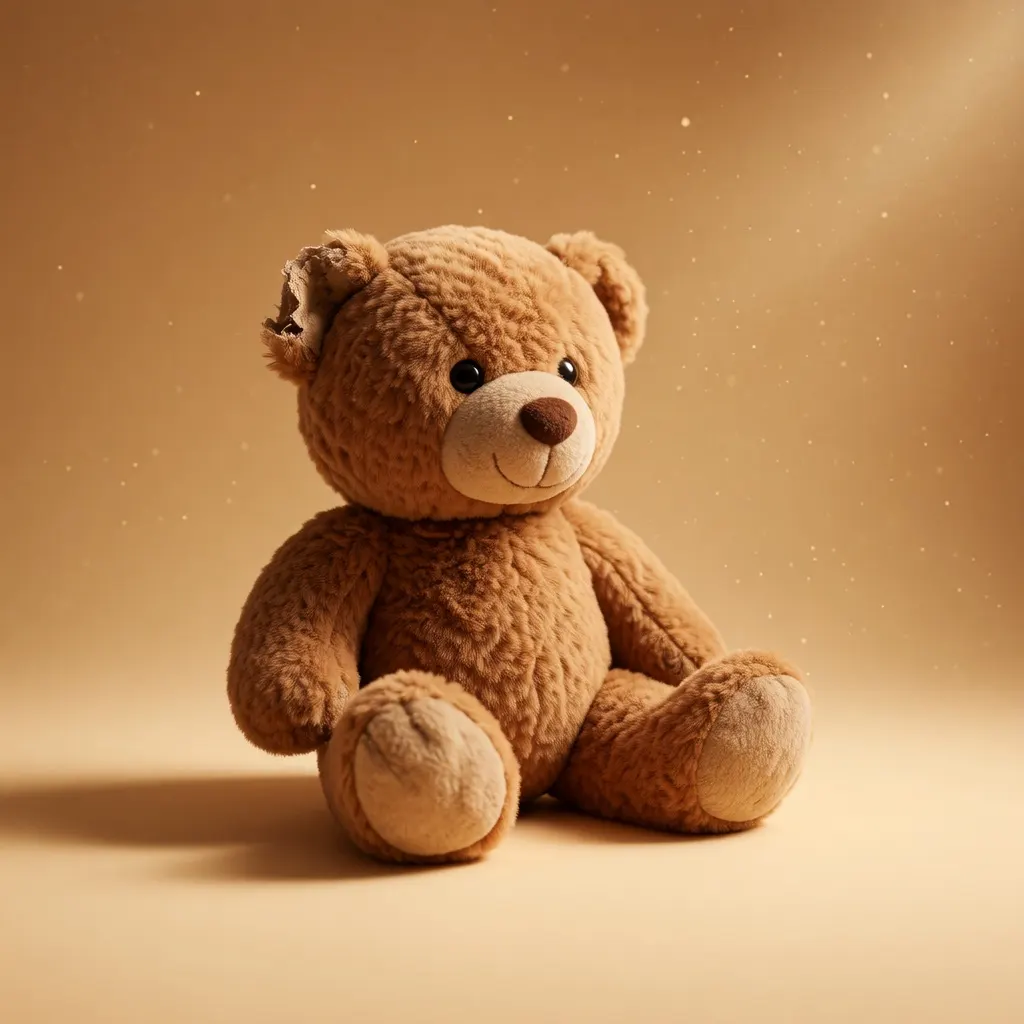
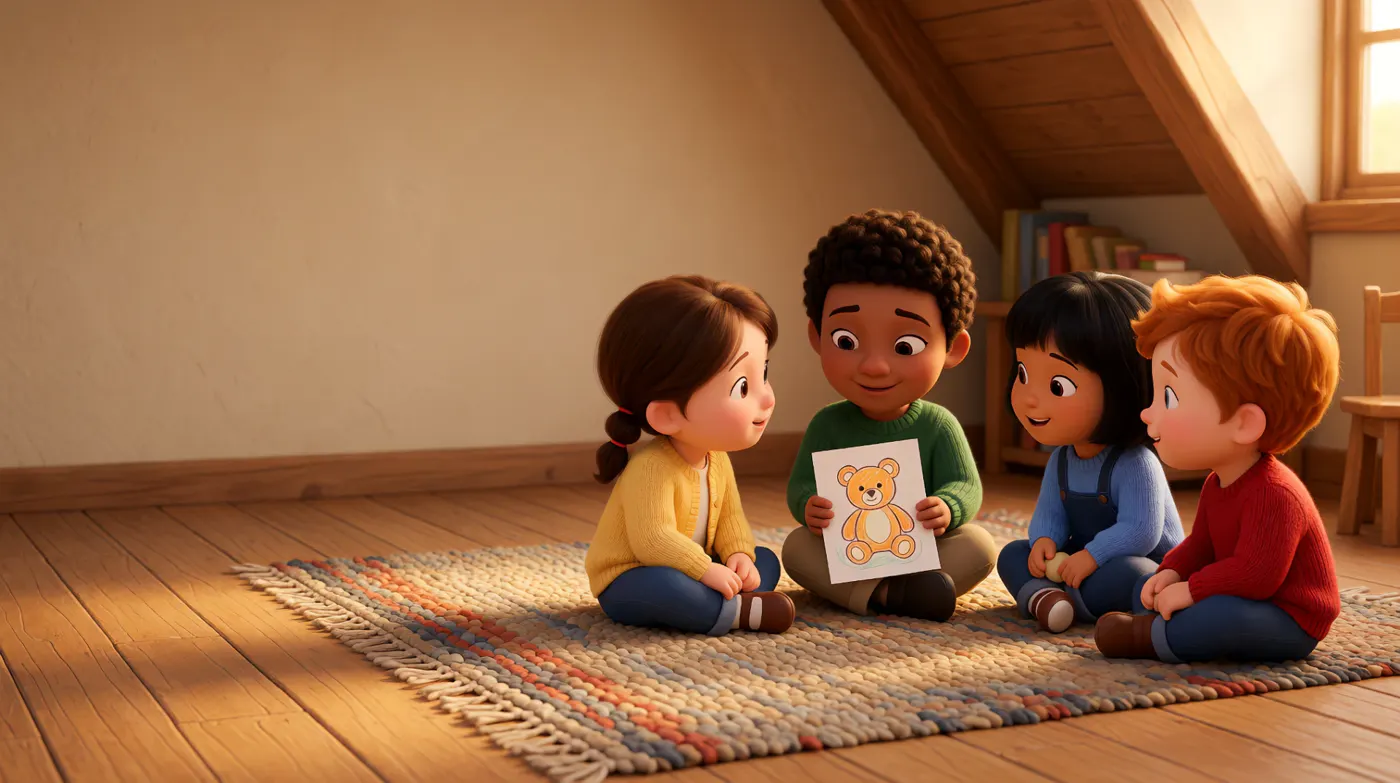
A Year 1 cross-curricular theme unit, led by History, built around one battered old box that comes down from the attic a toy at a time. Pupils never know quite what the box will hold. A teddy with one worn ear, a toy car, a doll, a telephone with a round dial, a skipping rope, a tub of Play-Doh and a wind-up music box arrive one visit at a time, each with a short chapter of its own story, and the class becomes a team of Object Detectives. The question that runs under it all is: whose box was this, and what can its toys tell us about when our grown-ups were young? Twenty-two sections across six subjects. History finds the order of things, reads toys as sources, spots change and what stayed the same, follows a chain of causes, compares old toys with new, and ends with a name inside the lid and a photograph that shows only part of the story. Science tests what toys are made of and which material keeps a toy dry. Art paints a mood, rolls, pinches and presses clay, and builds a toy for a child in the future. Music hears high and low, makes a tune, and performs it with the music box winding down as the cue. Computing finds technology, programs a floor robot and makes a digital page. PSHE sorts out a disagreement, respects different homes and talks about growing out of toys. The class keeps a Memory Book, tucks a letter inside the box for the next finder, and shares it all with visitors in the closing Toy Box Show. Three Big Questions are asked, with no right answers, as each third of the unit opens.
How the story unfolds.
Opening the box.
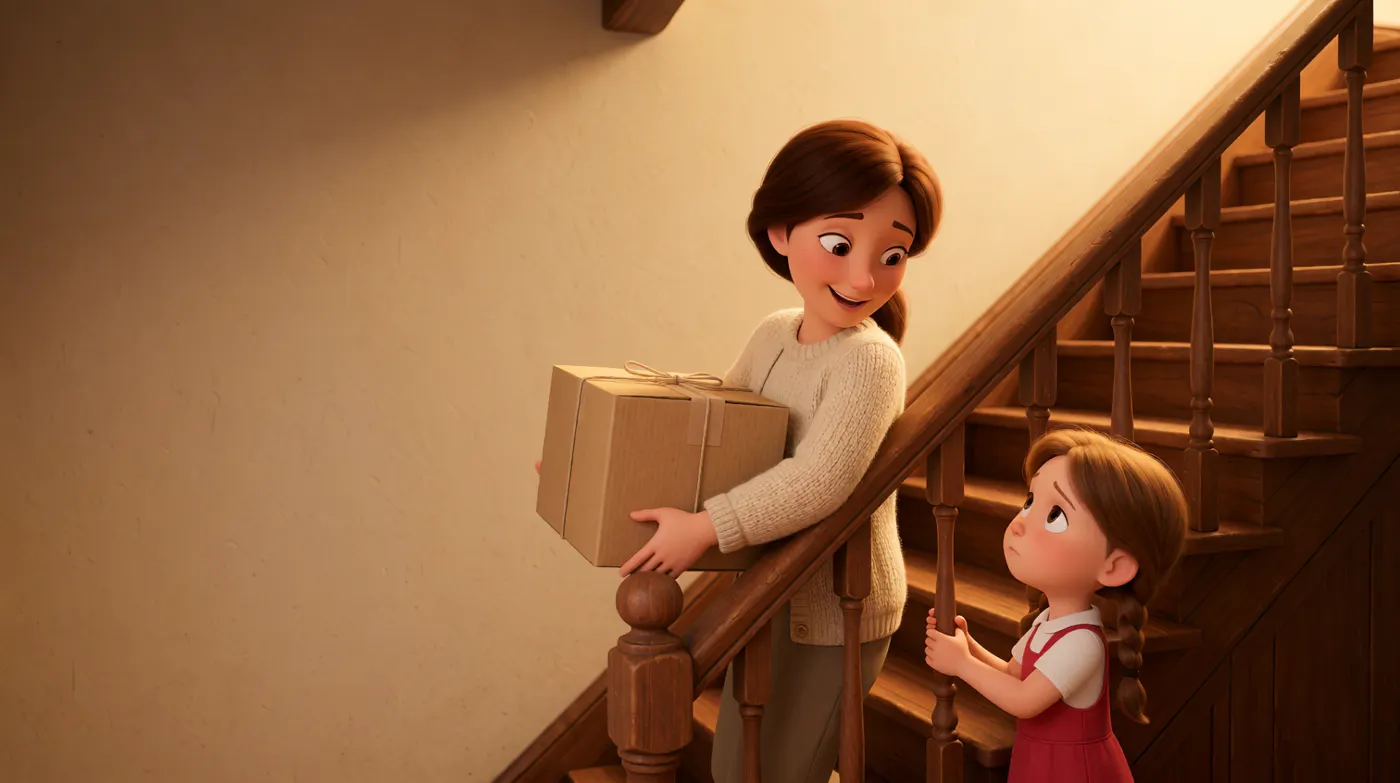
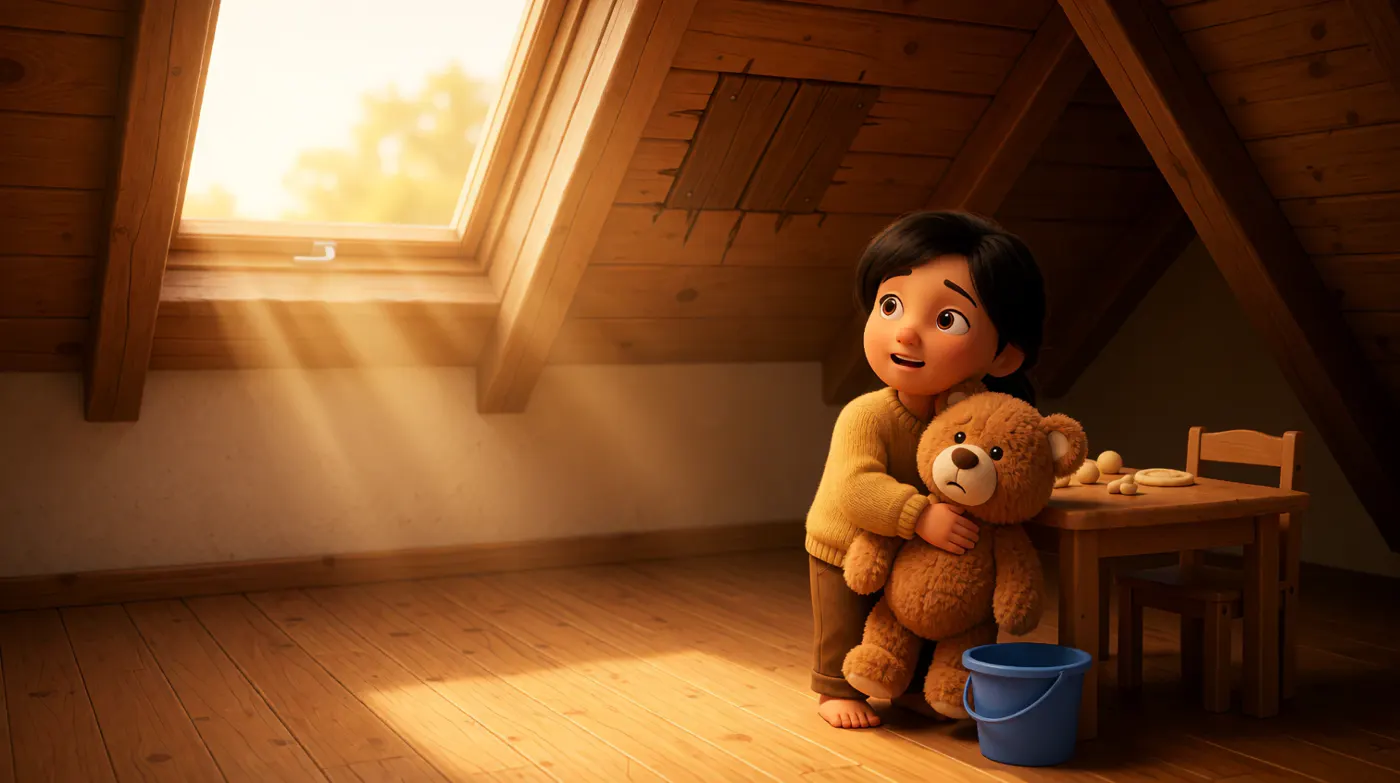
The first third asks what the box is, and how we can tell. Big Question 1 is asked before anything is taught: why do people keep some things for a very long time? History Section 1 builds past, present and within living memory on a floor timeline and a timeline of the pupils' own lives, then Chapter One is read: a teddy who speaks but is never seen. Art paints the dark attic and the warm bedroom of that chapter. In History Section 2 the box opens for the first time. A toy car, a doll and the teddy become the class's first sources, and pupils become Object Detectives and question the toys from the hot seat. Science sorts the box's toys and the school's own by feel and look. History Section 3 sets a dial telephone beside a smartphone to find what changed and what stayed the same. Music hears the music box and learns that pitch is how high or low a sound is. Computing finds the technology in toys and saves a picture.
A surprise at the bottom.
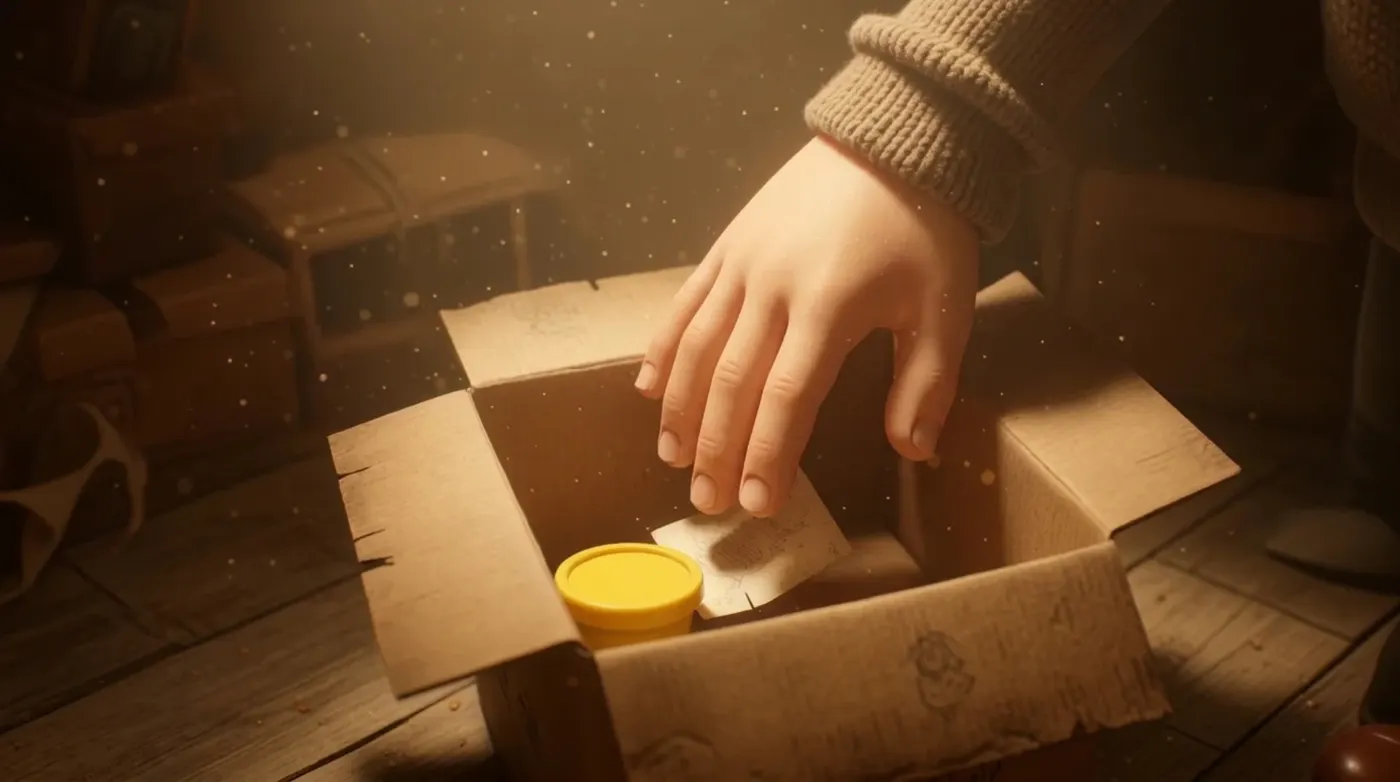
The middle third asks what lasts, and why. Big Question 2 opens it: why do some toys last for generations, while others are forgotten? History Section 4 is a genuine surprise: a tub of Play-Doh at the bottom of the box, which began as a cleaner for sooty walls. Pupils meet cause and consequence, then peg a chain of events on a washing line. Computing programs a floor robot to carry a toy home to the box. Art rolls, pinches and presses clay into a toy. PSHE shares out one red digger fairly. Science tests which cover keeps a toy driest. Music makes a tune for one toy and draws it as a Tune Map. PSHE shows that toys, and homes, can be the same or different, and that respect is how we listen.
A box for the future.
The final third asks what we would leave behind. Big Question 3 opens it: if you could hide one thing in a box for children in the future to find, what would you choose, and why? History Section 5 brings every toy out at once, joined by the pupils' own teddies, and compares old toys with the toys we love now. Science explains the cover test to a made-up child called Kit, using labels and a sentence. Art builds a freestanding toy from recycled things and ties on a care label. Music rehearses and performs, with the music box winding down as the signal to stop. Computing opens the saved picture and makes a clear digital page. PSHE looks at how it feels to outgrow or lose a toy. History Section 6 turns the lid and finds a name and a year, Emma, 1985, with a real photograph from 1971 that shows some things and not others. The class agrees its own idea about whose box it was, writes a letter, and finishes the Memory Book. The unit ends with the Show, when the class welcomes visitors, tells the stories of the seven toys and carries the box up the stairs one last time.
7 subjects, one journey.
HistoryLead subject
Six sections, one per pillar, and the spine of the unit. Chronology: past, present, long ago and within living memory, a floor timeline and a timeline of the pupils' own lives. Evidence: a source tells us about the past, and Object Detectives look at what a toy is made of and who might have played with it. Continuity and Change: a dial telephone against a smartphone. Cause and Consequence: the true story of Play-Doh, told as a chain on a washing line. Similarities and Differences: every toy at once, the pupils' own teddies, and a chart that turns into two clear sentences. Perspectives and Interpretations: a name inside the lid, a real photograph, one day seen from two sides and a class verdict told to the next finder.
Science
Three sections. What Are Toys Made Of?: sorting by bendy, shiny and rough, naming wood, plastic, metal, fabric and paper, and recording in a simple table. Which Material Is Best?: waterproof and absorbent, a prediction, and a cup test of fabric, plastic, paper and foil, recorded in a table. Telling the Toy Story: labels and a sentence explain what happened, and groups tell another group.
Art
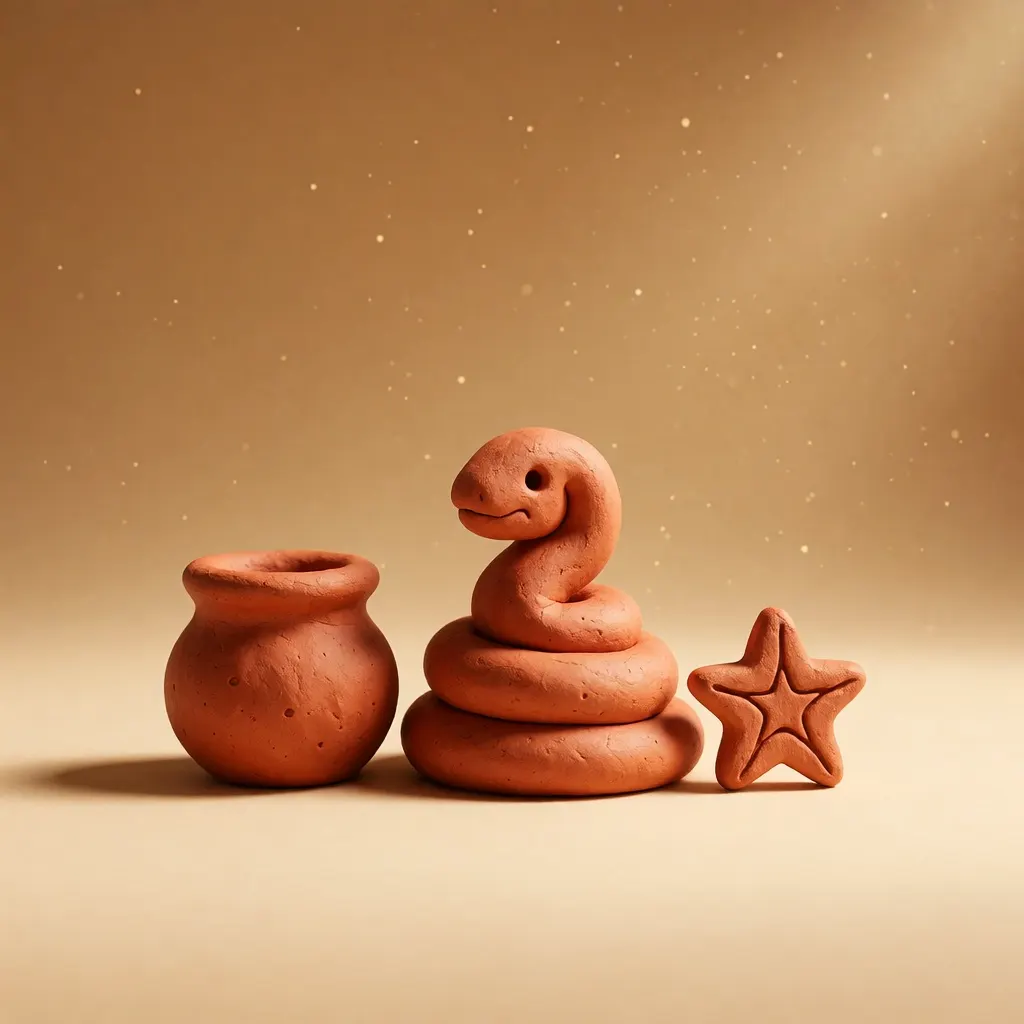
Three sections. What Colour Is the Teddy's Story?: colours show a mood, and pupils paint the dark attic and the warm bedroom on one folded sheet. Pinch, Roll and Press: comparing paper, card and clay, then clay toys with a pattern or a texture. A Toy for the Box: three ways to join a tube to a base, rescued rubbish, a freestanding toy and a care label.
Music
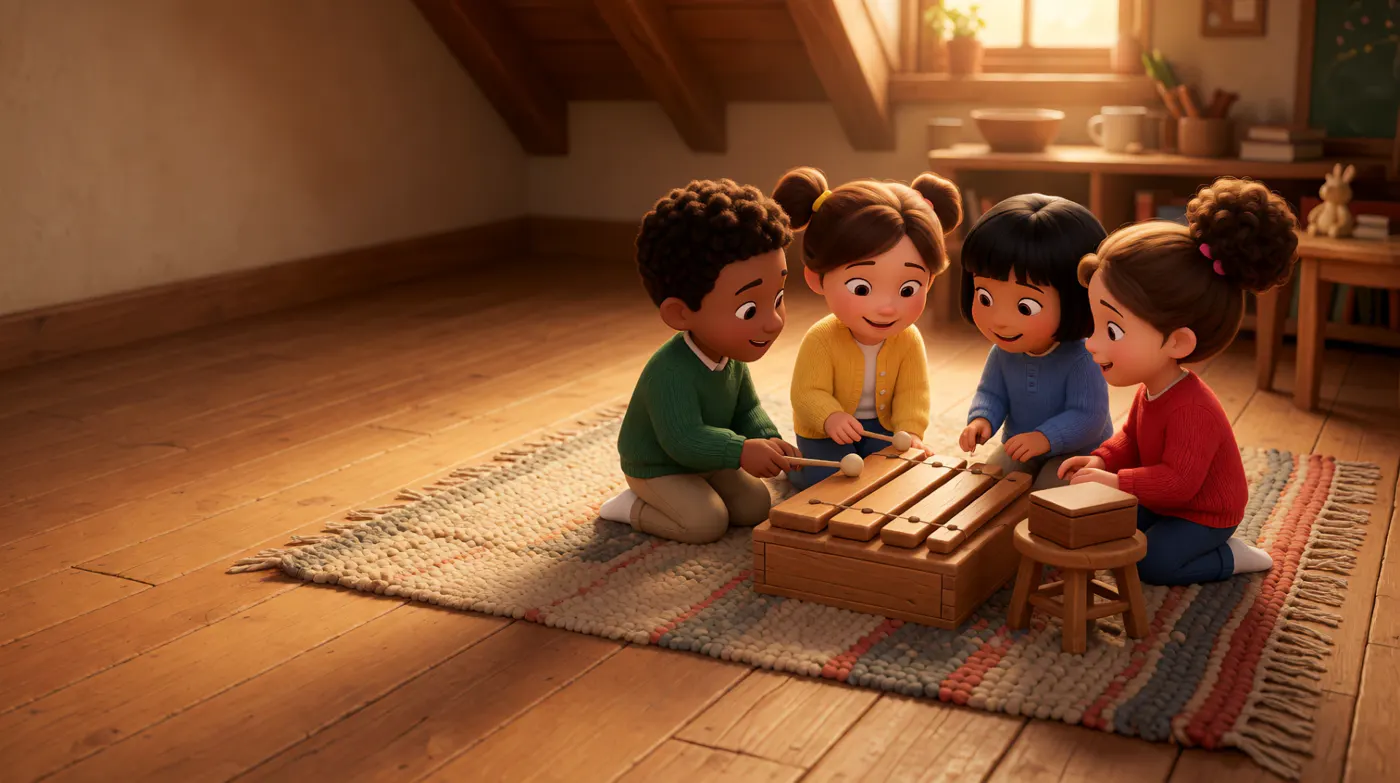
Three sections. High and Low with the Music Box: pitch is how high or low a sound is, copied with the voice, arm movements and simple lines. A Tune for the Music Box: rhythm patterns and pitch patterns, a tune for one toy and a Tune Map to play it again. Wind It Up and Play: performers watch and listen to stay together, with Ready, Go and Stop, and the music box winding down as the cue to stop.
Computing
Three sections. Toys and Technology: technology is a machine that helps us do a job, with save, file and folder, and a picture of a toy that uses technology. Make the Toy Move: robot, command and program, a prediction of where a program will stop, then a planned and fixed route. Our Digital Toy Box Page: reopening the saved picture, adding a title and a sentence by typing or recording a voice, and sharing it.
PSHE
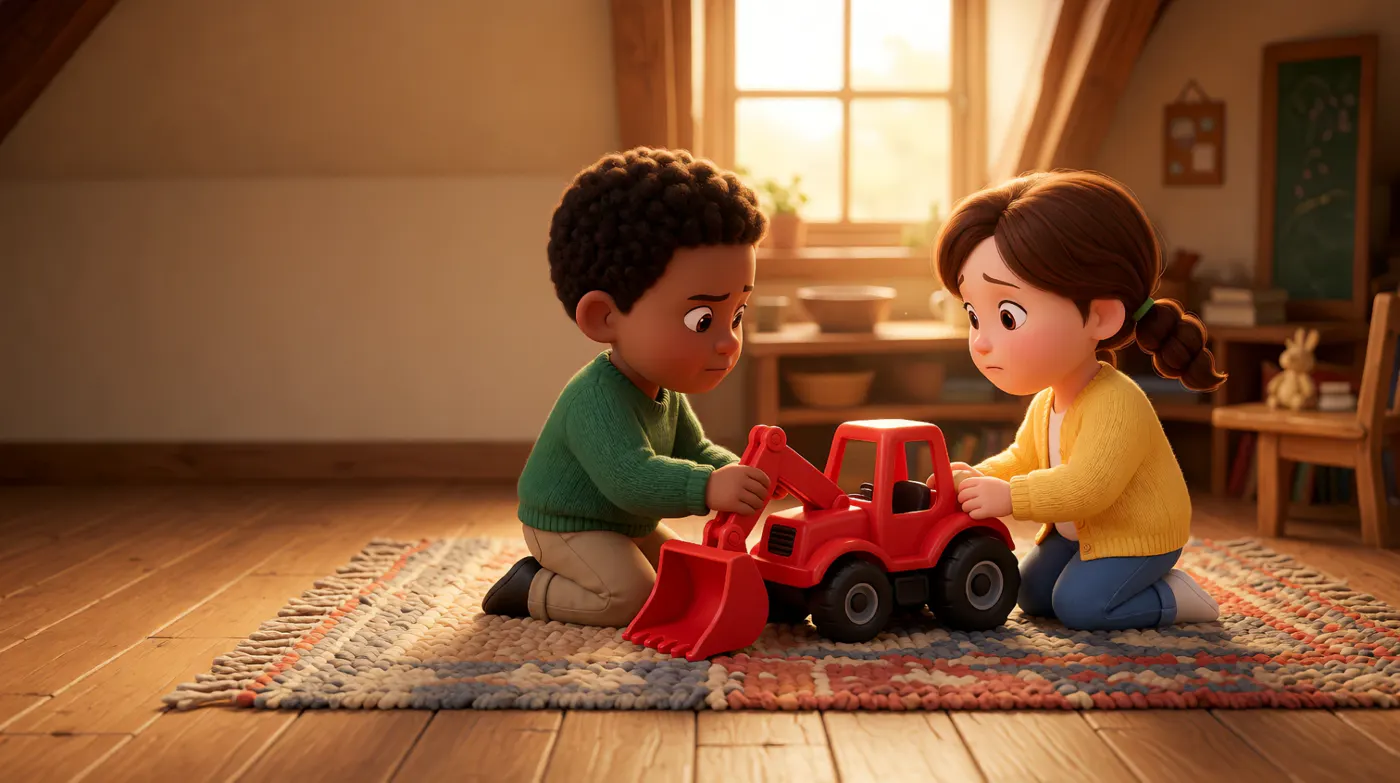
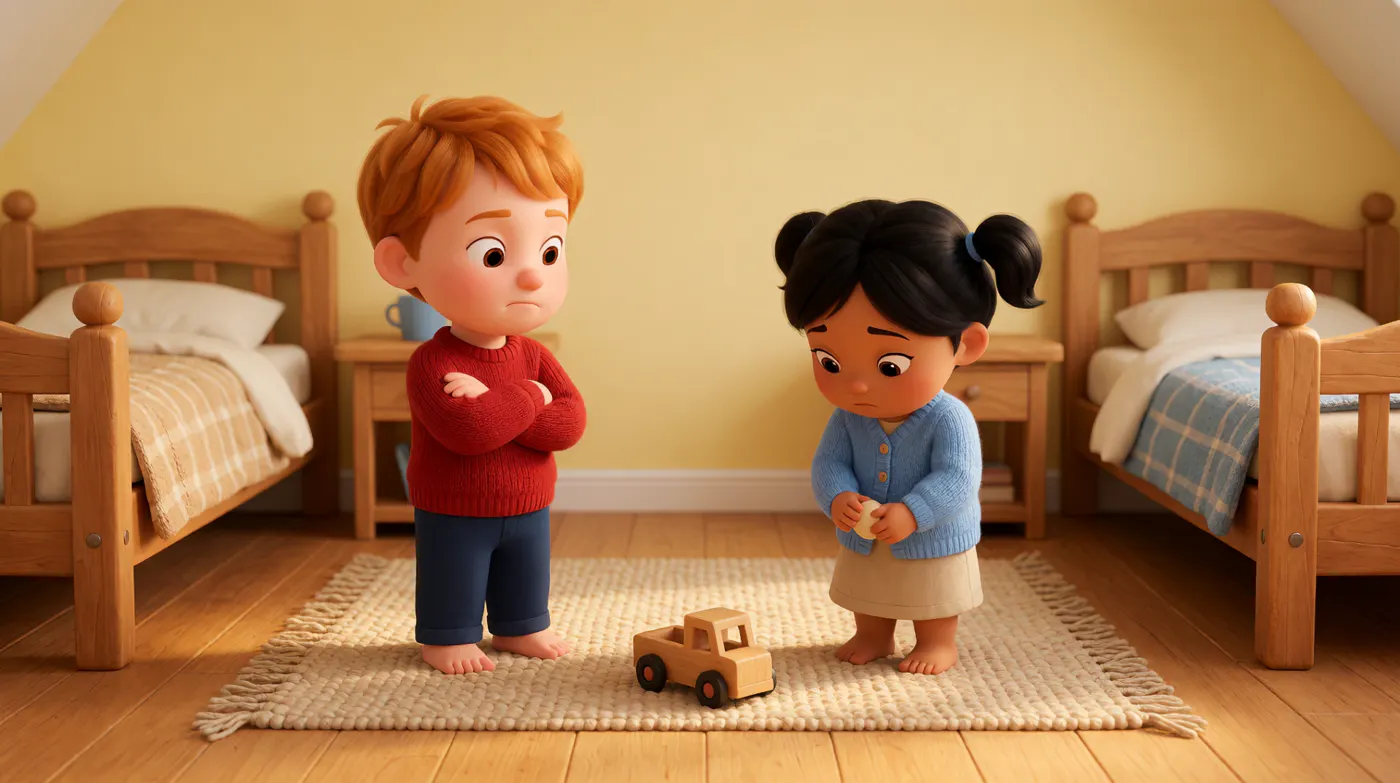
Three sections. Whose Turn Is It?: a disagreement over one red digger, four ways to sort it out and a role-play in trios. Different Toys, Different Homes: respect and manners, four real photographs of games and a drawing of a special toy. Growing Out of Toys: how it feels when a toy is outgrown or lost, and keep it, pass it on or mend it.
The Show
One closing section for visitors, not mapped to objectives: pass the box, welcome the guests, tell the stories of the seven toys, guide visitors round four tables, perform with the music box, read the reply from Kit, hide a card for the future, read the class letter and carry the box up the stairs one last time.
Every section, in order.
1HistoryThe Box at the Top of the Stairs
2ArtWhat Colour Is the Teddy's Story?
3HistoryOpening the Box
4ScienceWhat Are Toys Made Of?
5HistoryThen and Now
6MusicHigh and Low with the Music Box
7ComputingToys and Technology
8HistoryThe Squishy Surprise
9ComputingMake the Toy Move
10ArtPinch, Roll and Press
11PSHEWhose Turn Is It?
12ScienceWhich Material Is Best?
13MusicA Tune for the Music Box
14PSHEDifferent Toys, Different Homes
15HistoryOld Toys and the Toys We Love Now
16ScienceTelling the Toy Story
17ArtA Toy for the Box
18MusicWind It Up and Play
19ComputingOur Digital Toy Box Page
20PSHEGrowing Out of Toys
21HistoryWhose Box Was This?
22CeremonyOnce Upon a Toy Box: The Show
Big questions to think and talk about.
Why do people keep some things for a very long time?
Why do some toys last for generations, while others are forgotten?
If you could hide one thing in a box for children in the future to find, what would you choose, and why?
By the end of the unit:
A floor timeline and a My Life timeline, Object Detectives sheets, a Then and Now sheet, a Play-Doh chain of events, a clay toy and a freestanding toy with a care label, a test table and a labelled explanation, a Tune Map, a saved digital page, the Memory Book, the class letter and the closing Toy Box Show.
What pupils will know about toys from the past.
Within living memory
These toys are from when today's grown-ups were young. The past is what has already happened.
Be an Object Detective
A source is something that tells us about the past. Ask: what is it made of? Who played with it?
Then and now
A dial phone and a smartphone are not the same. Some things change and some stay the same.
Play-Doh was a cleaner!
It was made to clean soot off walls. A cause makes something happen next. Children played with it, and it became a toy.
What is it made of?
Toys can be wood, plastic, metal, fabric or paper. Waterproof means water cannot get through.
High and low
Pitch is how high or low a sound is. The music box plays high notes and low notes.
A robot follows orders
A program is a list of commands in the right order. The robot does only what it is told.
Roll, pinch and press
We roll, pinch and press clay to make a toy. A pattern is a mark that repeats.
Sorting it out
Disagreements can be sorted out. Compromise is when both people give a little.
Whose box was this?
A photograph shows some things and not others. Two people can have two ideas and both can be sensible.
What it covers, subject by subject.
History: ordering events from my own life and using words like long ago, past and present; identifying what an object is made of and answering simple questions about a source; spotting what has changed and what has stayed the same; suggesting a simple reason why an event happened and what happened because of it; using a chart to show how two objects are similar and different; and talking about what a picture shows and what it does not show.
Science: sorting materials by properties like bendy, shiny or rough; testing which materials are good for simple jobs, such as waterproofing; recording findings with drawings or simple tables; and using science words and drawings to explain what I saw.
Art: generating ideas from a story and choosing colours to match a mood; rolling, pinching and pressing clay and adding texture or pattern; and building a freestanding model from card or recycled materials and improving it.
Music: copying pitch patterns and showing pitch direction with actions or simple notation; improvising simple rhythms and pitch patterns and using symbols to remember them; and following cues to start and stop and performing as part of a class.
Computing: explaining how technology is used in daily life and saving work with help; controlling a simple robot; and finding and opening something I made before and presenting it with a digital tool.
PSHE: using simple strategies to resolve arguments safely; showing respect for differences and using good manners; and talking about change and loss in an age-appropriate way and knowing who can help.
Beyond subjects: sustained oracy, with hot-seating, teach-back in buddy pairs, sentence stems in trios, summarising a partner's idea back, a mini-presentation to another group and speaking to a teacher in role as the next finder; plus the story chapters, sentence writing and the class letter.
“As a primary pupil referral unit, creating genuine engagement is essential for our learners. We were looking for a curriculum that places children at the heart of everything and encourages them to immerse themselves in purposeful, meaningful activities. Dimensions has proved to be a strong fit because it enables our pupils to be active, curious learners rather than passive recipients of information. It brings learning to life in a way that motivates them and supports high-quality learning throughout. Plus, the children just love the curriculum!”
BThe Beacon Referral Unit
“Our school fully embraced the Dimensions curriculum and it has brought the world to our classrooms!”
AAlison Steen
“As a school we are really pleased with our decision to go with Dimensions. It has changed the way we teach our topic lessons as a school and has elevated the quality and diversity of the topics taught throughout KS1 and KS2. It is wonderful how the same theme can be so diverse across all age ranges and it has given teachers the confidence to explore themes they may not have taught previously.”
Scoill Phurt Le Moirrey
“Dimensions Curriculum is amazing! We’ve used it for a few years now and the children absolutely love the different topics and are really engaged by the modern and relevant aspect of these. … Added to this is the amazing support that you get from the Dimensions team and nothing is ever too much trouble.”
SSophie Orton
“Introducing the curriculum has been a real game-changer for our team. It’s clear, well-structured, and genuinely supportive of high-quality teaching. Planning is now more streamlined and consistent, while still allowing flexibility for individual classes and teaching styles. The progression is easy to follow, expectations are clear, and it’s saved us valuable time without compromising creativity or impact. A thoughtfully designed resource that’s already making a positive difference in our classrooms.”
Woodford Halse School
“As a class teacher I have really enjoyed using both the Dimensions Curriculum and 3D PSHE. Both products have been very well designed with clear, progressive and sequential plans, incorporating creative, engaging ideas and have given me the peace of mind to know I am teaching the children a quality curriculum. Wouldn’t expect anything less from a product designed by teachers, for teachers. Thank you Dimensions team!”
AAnn Webster
“The Dimensions 3D PSHE curriculum map, programs of study and enrichment unit are so well organised! I am very excited to use it all!”
LLubavitch Primary School
“Children in my school using Dimensions are motivated to learn and can articulate what they are learning and why they are learning it. … The curriculum maps, knowledge organisers and other documents available for subject leadership are super handy and also save on workload. It is excellent value for money.”
LLouise
“Introducing the curriculum has taken the weight off leaders knowing that everything is covered with clear progression documents. Children are getting the breadth and depth of coverage required. It has made a really positive impact especially when planning for mixed age classes. It is great to have the support available for ever changing class structures.”
Beeston Primary School
“I have had an extremely positive experience with Dimensions. They are a fabulous company, producing products to a very high standard that really engage children. Their curriculum is amazing and using it, I have had outstanding progression, engagement and enjoyment both from the children and myself! I would wholeheartedly recommend Dimensions!”
JJules Wilkin
“Music Crew gives teachers much more confidence when teaching music lessons. The children look forward to music and remember what they have learned from previously. The progression is excellent. Music Crew can be adapted to meet the needs of individual classes and the needs of the school.”
Warton St. Paul’s CE School
“It allows teachers to do what they do best, create engaging schemes of work and lessons and then teach accordingly, safe in the knowledge that statutory demands are covered and progression ensured … Our successful inspection outcomes are testament to the confidence we have in Dimensions. I could not ask for more from Dimensions.”
HHelen Ruberto
“We contacted the Customer support team and requested a new document that had the lesson codes and learning objectives for each year group, for each term. They were more than happy to help and emailed the documents to us the same day which was very helpful and exactly what we needed.”
St Andrew’s School
“As a teacher, working in an international school in Hong Kong I have followed the Dimensions Curriculum Thematic Units for a few years now, and I cannot recommend these resources highly enough. I absolutely love how it engages my students, by making learning fun, relevant and interesting for them. … Oh, and I should also mention all the time they save me in planning.”
KKarin Munkholm
“Absolutely loved using the Dimensions Curriculum. It was flexible and creative and allowed us to shape the learning in our school in such a way that it was relevant and purposeful for everyone involved, including the teachers! I enjoyed working with Elaine throughout, and found the support provided to myself as curriculum leader and the staff training given to be excellent.”
SSarah Cooke
“I bought the PSHE Curriculum for my School. The resources are just fantastic! They are packed full of great ideas, easy to use and relevant. I would highly recommend all their resources to any teacher. It’s definitely the way forward.”
KKat Parkinson
“From a teacher’s perspective, this curriculum has revitalized lesson planning. … Overall, this curriculum has been a game-changer. It has enhanced engagement, deepened learning, and created a more dynamic and enjoyable experience for both students and staff. We wholeheartedly recommend this approach to any ASD school …”
SSophie Hatcher
“We have worked with Elaine and the Dimensions team for over 5 years. The staff enjoy teaching the theme units and the pupils love their learning. Ofsted were very impressed with our curriculum and praised the creative learning and experiences the pupils were encountering. … Our school love it.”
AAlison Worthington
“They are a fantastic company with a wealth of knowledge and understanding. Their products are inspiring, innovative, unique to the market and importantly they are fun and exciting. I would recommend every school to have a visit from Elaine or her team, it’s a decision you won’t regret!”
KKJ Krzysiak
“Have used Dimensions to enhance our school curriculum for many years with much success and great results. The support of the Dimensions team and their curriculum has also helped us through two successful OFSTED visits! Would highly recommend.”
DDawn Forrest
“We have seen the knowledge and skills of our children deepen and their experiences in the classroom and of the wider world have broadened. … We have made so many meaningful connections to our whole school vision and values.”
HH Redfern
“Excellent curriculum resources with outstanding provision for all age groups.”


 Scoill Phurt Le Moirrey
 Woodford Halse School
 Beeston Primary School
 Warton St. Paul’s CE School
 St Andrew’s School