
How to Make Primary Learning More Relevant to Children’s Lives
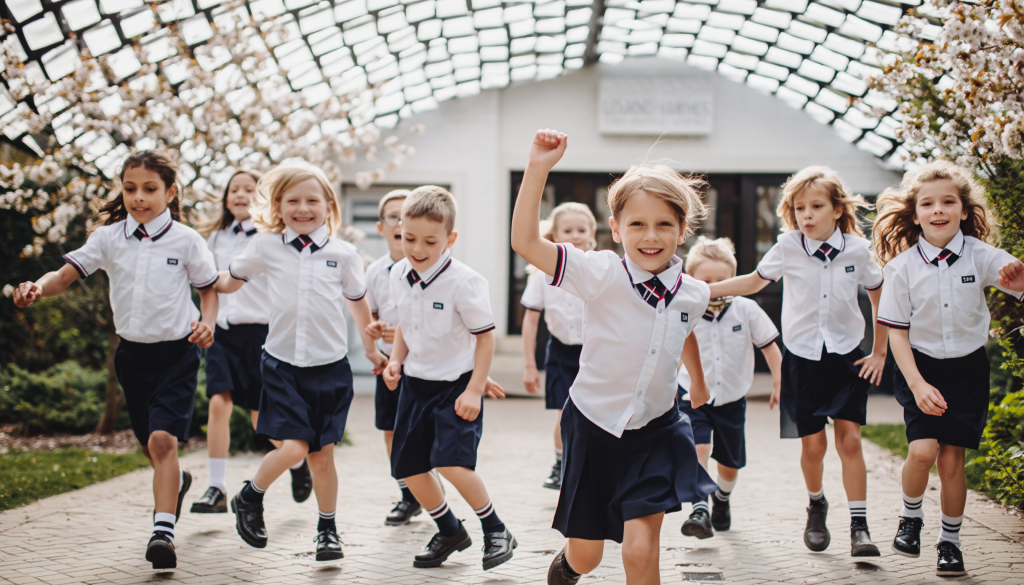
Over the last year, I have had the opportunity to visit more than fifty primary schools as a supply teacher. It has been fascinating. Walking into so many different classrooms has given me a fresh perspective on what teaching and learning currently look like across our schools. I have seen some wonderful practice, incredibly dedicated teachers and some genuinely inspiring learning experiences.
At the same time, I have found myself reflecting on a question that has become increasingly important to me: how relevant does learning feel to the children sitting in front of us?
I am not talking about whether it covers the National Curriculum or whether it ticks all the required boxes. What I mean is whether children can genuinely see the purpose behind what they are learning. Can they make connections between subjects? Can they see how their learning relates to the world around them? Do they understand why it matters?
One of the challenges facing schools today is that there is simply so much to teach. Curriculum expectations are high, accountability remains significant and teachers are understandably under pressure to ensure coverage across an increasingly crowded curriculum. The risk is that learning can become fragmented, with subjects taught separately and connections between them easily missed.
Yet children do not experience the world in neat subject boxes. When a child becomes interested in volcanoes, for example, they don’t just want to know the scientific explanation behind eruptions. They become curious about where volcanoes are found, how people live alongside them, what myths and stories have grown around them and how scientists study them today. Their curiosity naturally crosses subject boundaries and perhaps our curriculum should too.
Throughout my career, and particularly during my recent experiences in schools, the most memorable learning has rarely come from isolated lessons. It has come from meaningful experiences that allow children to immerse themselves in a subject and explore it from different perspectives. I have seen reluctant writers suddenly find a purpose because they cared deeply about a topic. I have watched children become historians, engineers, environmental campaigners and scientists because the learning felt real and purposeful.
Sometimes there is a misconception that relevance and creativity come at the expense of academic rigour. In my experience, the opposite is often true. When learning is connected and purposeful, children are more willing to engage with challenging content. They ask better questions, make deeper connections and retain knowledge more effectively because they can see how everything fits together.
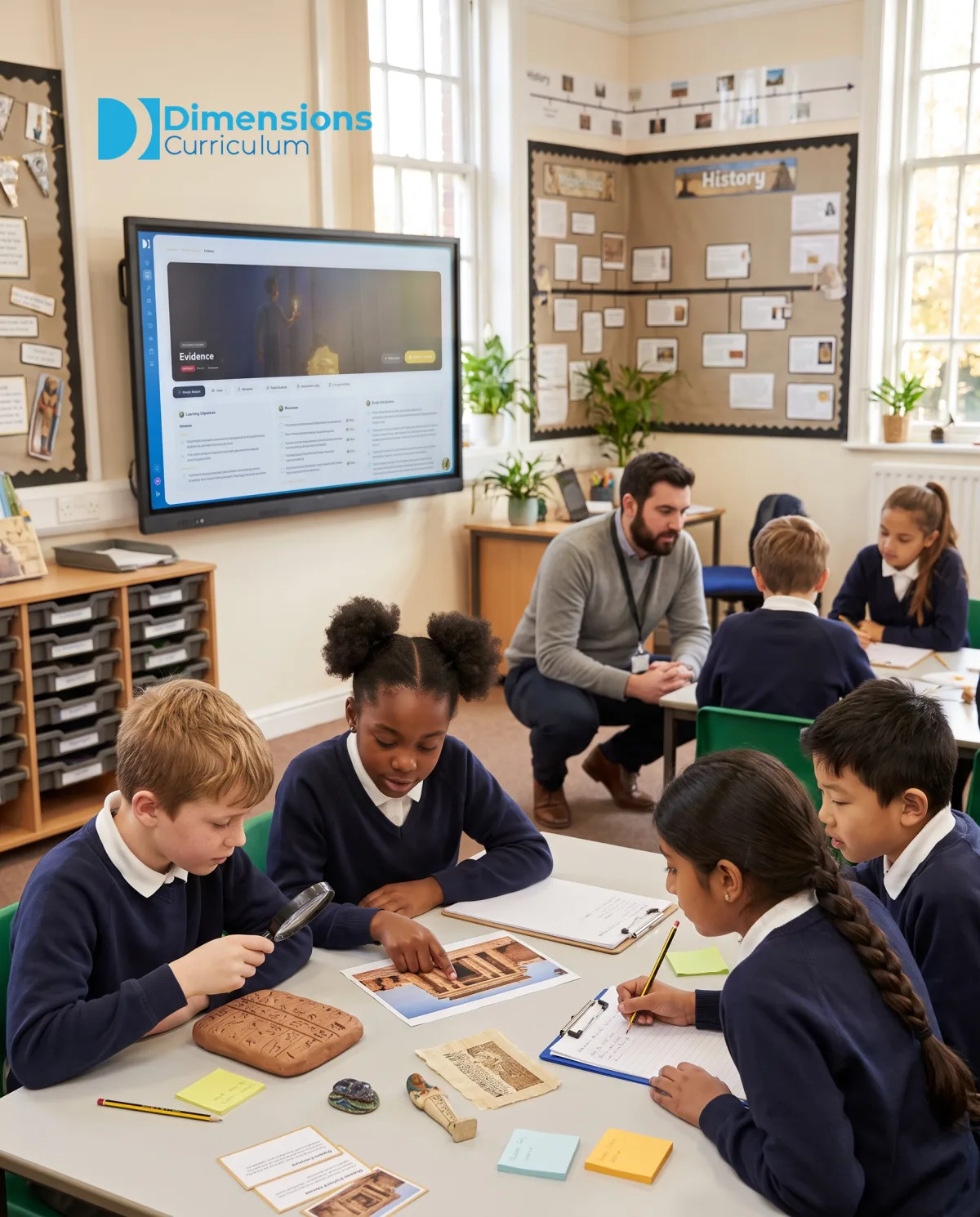
One of the most effective ways to achieve this is by looking for the natural links between subjects. History can inspire high-quality writing. Science investigations can develop mathematical understanding. Geography can provide opportunities for debate and persuasion. Art, music and design can deepen understanding and bring learning to life. Rather than teaching subjects in isolation, we can use each one to strengthen and enrich the others.
This is one of the reasons I have always been drawn to thematic approaches to curriculum design. Done well, they provide a meaningful context for learning while still maintaining the integrity of individual subjects. Children are able to build knowledge, revisit concepts and make connections across the curriculum, creating a richer and more memorable learning experience.
Years from now, most children won’t remember every worksheet they completed or every PowerPoint they viewed. What they will remember are the experiences: the projects they were proud of, the debates they took part in, the things they created and the discoveries they made.
Perhaps that is the question we should ask ourselves more often: will this be something worth remembering?
When learning is relevant, connected and meaningful, it doesn’t just help children achieve academically. It helps them understand themselves, their communities and the wider world. And surely that is what education is really about.
 Scoill Phurt Le Moirrey
 Woodford Halse School
 Beeston Primary School
 Warton St. Paul’s CE School
 St Andrew’s School