
Helping Children See Links Across Subjects in Primary School
I have always believed that some of the best moments in teaching are those where learning stops being a set of separate lessons and starts to feel inter-connected.
That is what I have always tried to build in my classrooms and in the schools that I have worked with. Not necessarily a ‘themed curriculum’ where everything gets blended into one, but something far more deliberate than that – strong subjects, taught well, but with clear, meaningful links between them. That is how I believe how real learning works.
When I was leading teaching and learning as an Assistant Headteacher, one of the biggest shifts we made was simply being more intentional about those connections. Not forcing them, or squeezing subjects together for the sake of it, but spotting where they naturally strengthened each other and making that visible to the children.
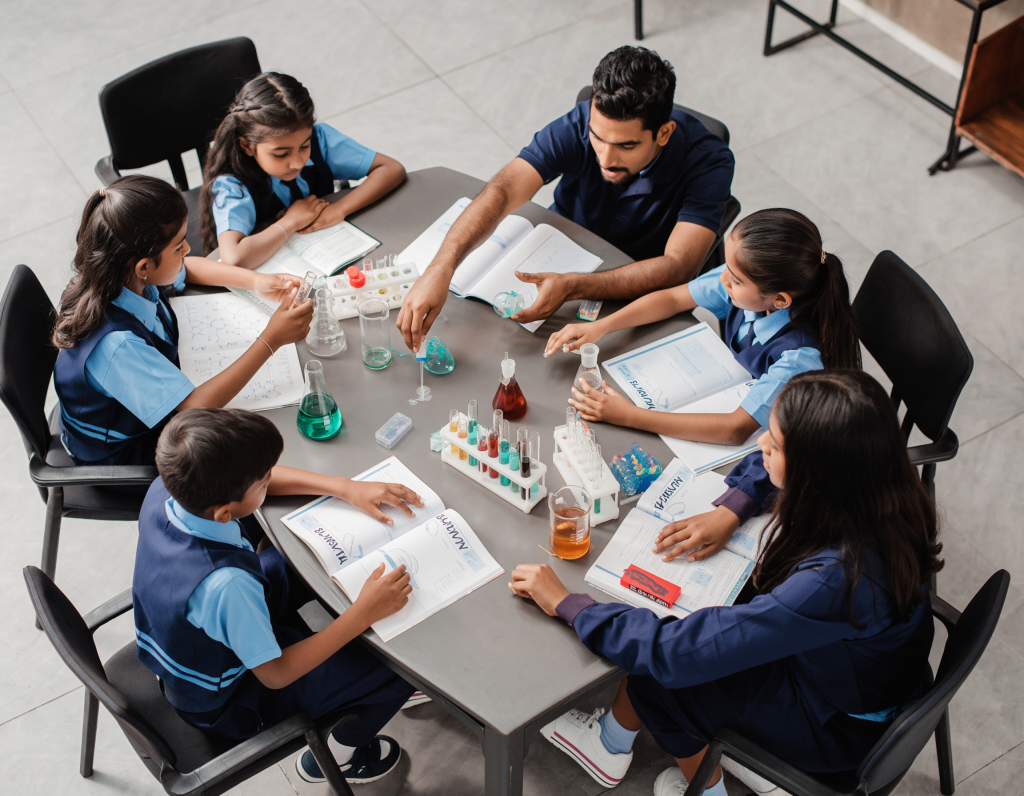
Sometimes, the most effective examples were the simplest. I remember teaching rocks and soils in science and then reinforcing that idea of layers of rock through baking in DT. We made layered cakes, thinking about materials, structure and what happens when you combine things in different ways. The science made more sense because they had done something with it.
I have seen the same with writing. Instructional texts can feel quite dry in isolation, but when pupils are writing instructions for something they have designed or built in DT or explaining a scientific investigation they have carried out, the quality greatly improves. Why? Because the purpose is there. They care more and it shows in their work.
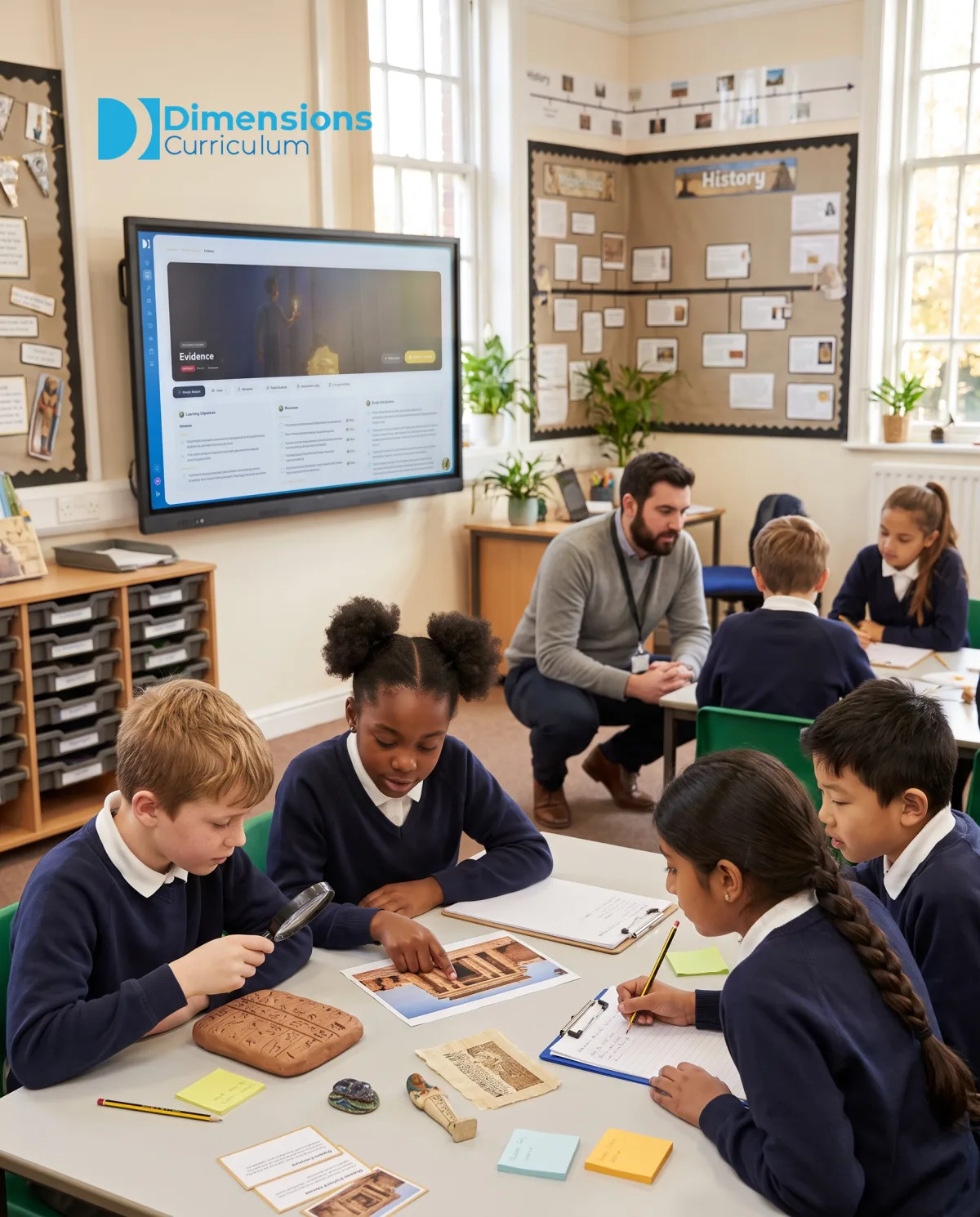
In history, report writing becomes something different when pupils start to see themselves as historians – presenting findings, explaining events, justifying their thinking. They are still using the same writing skills, but in a way that feels more real.
And then there are the bigger projects. A big project that I did a few years ago involved children designing and building a Roman city. This project drew on everything – historical understanding of Roman life, mathematical thinking around shape and scale, design decisions, teamwork. The subjects were still clear, but the learning felt joined up.
These connections don’t just happen because we plan them. We must draw attention to them. We have to say things like, ‘You’ve seen this before in…’ or ‘Where else might this be useful?’ Once pupils start to notice those links for themselves, they become more confident and they start applying what they know more naturally because they don’t see learning as starting from scratch every time.
At the same time, I do think it’s important that children still recognise the individual subjects themselves. For example, they should know when they are working scientifically and when they are thinking like a historian. They should know when they’re designing and making in DT. It is that clarity that makes the connections meaningful in the first place. Without it, everything just becomes a blur.
When you get the balance right, strong subjects, clearly taught, with thoughtful connections between them, learning sticks better, because it makes more sense. It feels more like something children can use, rather than something they just do for an hour and move on from.
Getting that right balance has always been the goal for me. It certainly isn’t easy to do – helping children see the bigger picture. But once they start to see those links, they don’t just learn more; they understand more too.
 Scoill Phurt Le Moirrey
 Woodford Halse School
 Beeston Primary School
 Warton St. Paul’s CE School
 St Andrew’s School