
Beyond Words: Communication, Oracy and Curriculum Quality in Primary Schools

Why talk matters in a forward-thinking curriculum (and why Ofsted cares)
When we think about communication in primary schools, reading and writing often take centre stage. They’re rightly prioritised within the National Curriculum. In 2026, though,communication is bigger than what just ends up on a page.
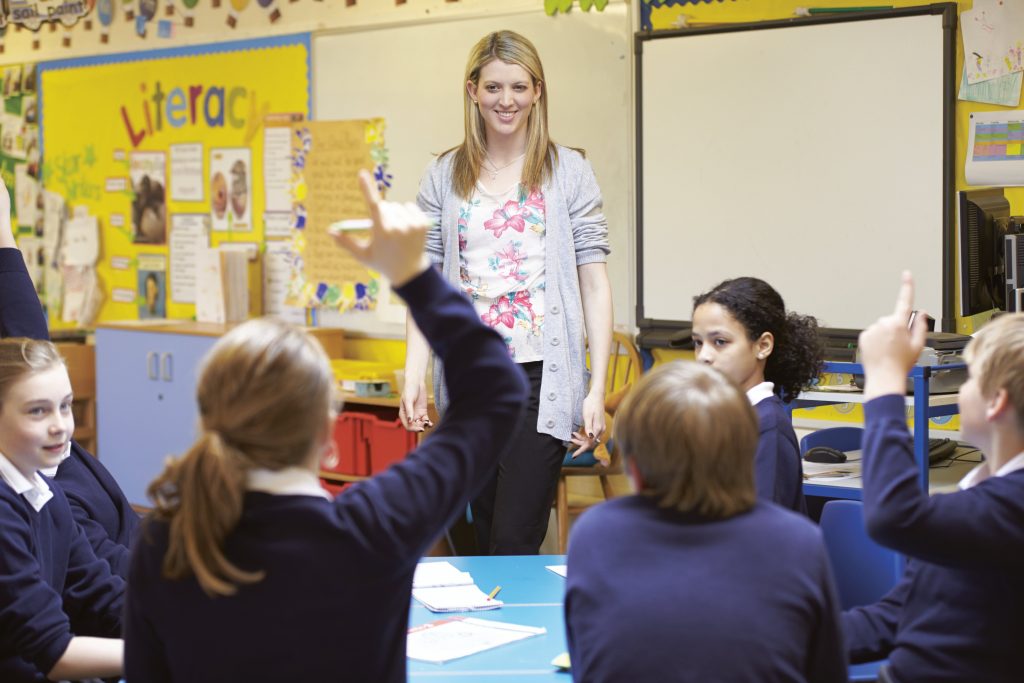
Children learn through talk. They make sense of new ideas by saying them out loud, trying out vocabulary, listening to others, and reshaping their thinking. That’s why oracy (the ability to express yourself well through spoken language) isn’t a “nice extra”, it’s a key ingredient of a high-quality curriculum.
Ofsted has been clear: curriculum quality isn’t just about what you cover, but how well pupils learn it, remember it, and use it. Oracy helps make that happen.
Communication in today’s classroom
Primary pupils communicate in lots of ways, often all in the same lesson:
- Spoken language and structured discussion
- Visuals such as diagrams, images and symbols
- Digital tools including audio, video and presentations
- Non-verbal communication, such as gesture and expression
- Collaborative talk through problem-solving and group work
A meaningful curriculum recognises these forms as essential to learning, with oracy underpinning them all. Oracy enables pupils to articulate thinking, clarify understanding, and engage deeply with new knowledge.
Why oracy matters – through an Ofsted lens
The Education Inspection Framework (EIF) places strong emphasis on:
- Language development
- Curriculum intent, implementation and impact
- Pupil engagement and inclusion
- Personal development
In practice, inspectors are looking for classrooms where pupils can:
- Use subject-specific vocabulary accurately
- Explain their thinking and reasoning
- Engage in purposeful talk that supports learning
- Build knowledge over time through discussion and reflection
When pupils talk, they’re not simply communicating, they’re processing, rehearsing and embedding learning.
Ofsted has repeatedly highlighted that strong spoken language is especially important for pupils from disadvantaged backgrounds and those with limited language exposure outside school. In other words, oracy is a curriculum quality issue and an equity issue.
Oracy across the curriculum (not just in English)
Ofsted is clear that curriculum quality is about coherence and connection, not isolated subjects. Oracy helps pupils make those connections across the whole curriculum.
- In English, pupils rehearse ideas orally, explore texts through discussion, and develop comprehension through talk.
- In maths, pupils explaining methods and justifying answers turns ‘getting it right’ into ‘understanding why’.
- In science, discussion supports enquiry, hypothesis-making, and the precise use of vocabulary.
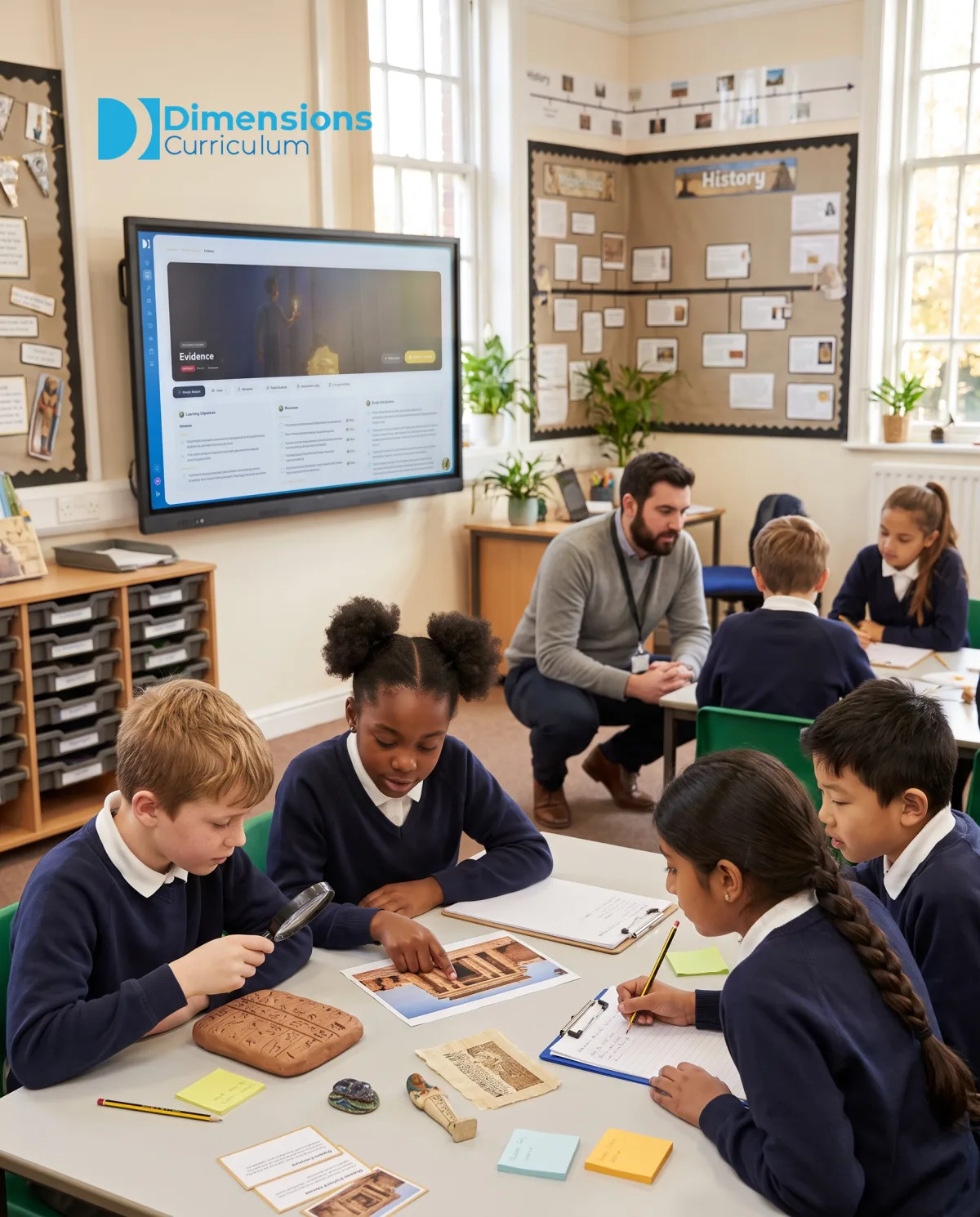
- In foundation subjects, talk helps pupils interpret sources, debate evidence and viewpoints, and link new learning to what they already know.
- In PSHE and RE, oracy underpins respectful discussion, empathy and emotional literacy.
This aligns directly with Ofsted’s expectation that pupils can “know more and remember more” over time, because talk is one of the main ways to help knowledge stick.
Oracy and inclusion
Ofsted places a strong focus on inclusion and equity. A curriculum that prioritises oracy supports:
- Pupils with English as an additional language (EAL)
- Pupils with SEND
- Children who struggle to express ideas in writing
- Pupils who benefit from verbal rehearsal before recording
When spoken contributions are valued (and structured well), more pupils can participate meaningfully and demonstrate understanding. That matters, not just for inspection, but for pupils’ confidence, belonging and progress.
Teaching oracy explicitly (and not just leaving it to chance!)
Ofsted doesn’t expect talk to be unstructured or incidental. Inspectors look for deliberate teaching of communication skills, including:
- Clear modelling of vocabulary and sentence structures
- High-quality questioning
- Opportunities for structured discussion
- Expectations set out for listening and responding respectfully
This is where oracy becomes part of strong curriculum implementation: teachers aren’t just hoping pupils will ‘talk more’, they’re teaching pupils how to ‘talk well’.
Authentic communication and curriculum impact
Ofsted’s focus on impact includes how well pupils can apply learning and communicate understanding. When pupils use talk for real purposes – explaining, reasoning, persuadingand collaborating – learning becomes deeper and more secure. Talk is no longer a warm-up to writing. It’s evidence of learning in action.
What this means for curriculum quality
A strong primary curriculum:
- Places oracy at the heart of learning
- Embeds purposeful talk across subjects
- Develops language and vocabulary explicitly
- Supports inclusion and pupil confidence
- Enables pupils to articulate what they know and understand
Curriculum quality isn’t about worksheets or activities completed, but about thinking made visible.
Final thought
Reading and writing remain vital, but purposeful, structured spoken language is often where learning begins, and where it becomes secure.
If you’re looking to strengthen oracy across your curriculum (without adding “one more thing”), Dimensions Curriculum can help.
Our thematic, hands-on approach is designed to make learning meaningful, connected and talk-rich across foundation subjects, supporting vocabulary, inclusion and confident pupil voice.
Want to see what that looks like in practice? Explore Dimensions Curriculum and book a conversation about curriculum mapping and staff training at https://dimensionscurriculum.co.uk

 Scoill Phurt Le Moirrey
 Woodford Halse School
 Beeston Primary School
 Warton St. Paul’s CE School
 St Andrew’s School