
Cracking some of the Myths about the Primary National Curriculum for anyone interested in education
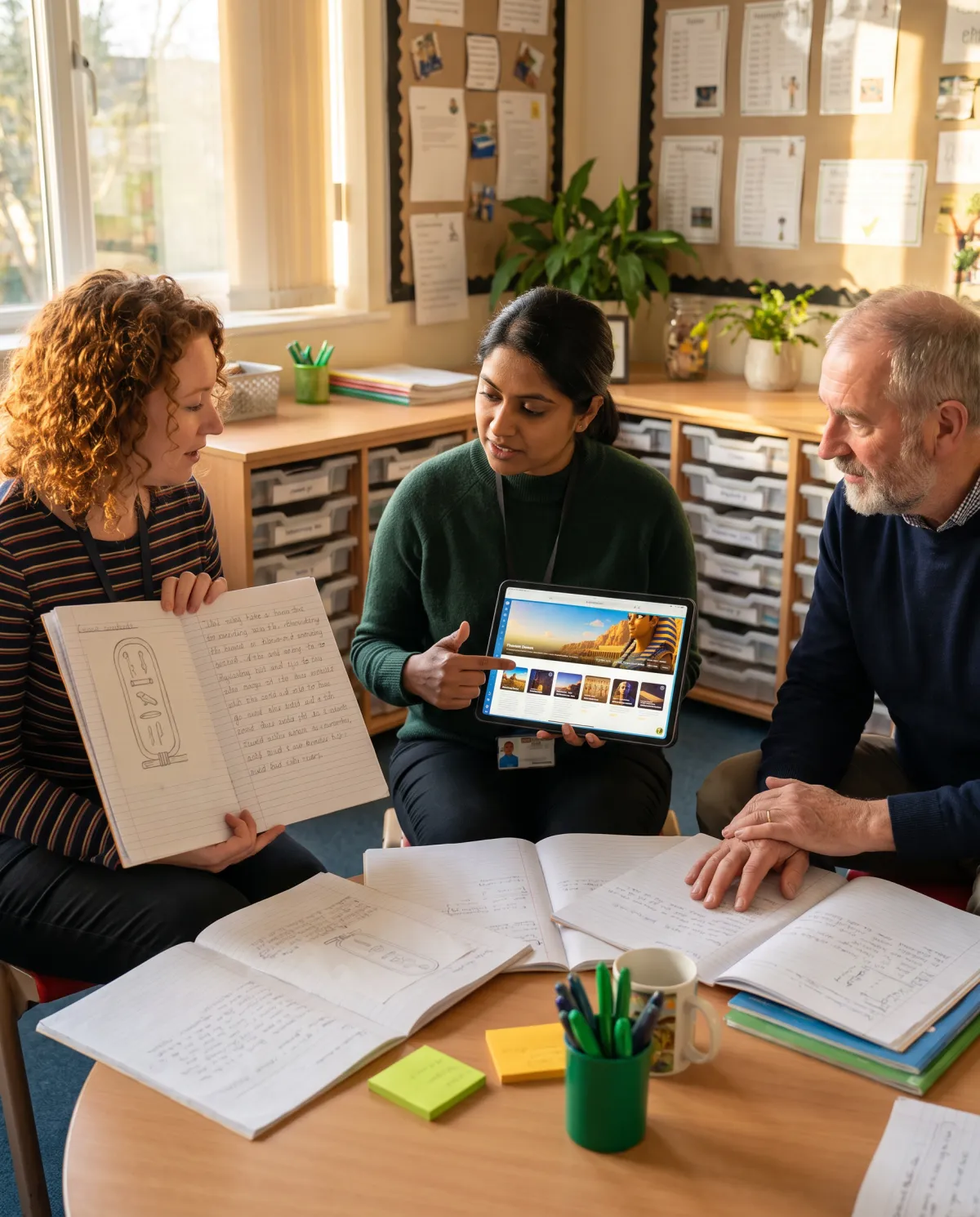
The National Curriculum (NC) is the starting point for what is taught in most primary classrooms in England. If you are not a teacher, you may have seen it mentioned in newsletters, on school websites, in Ofsted reports, or occasionally in the news. It can sound like a single document that tells schools exactly what to teach, when to teach it, and how to teach it.
In reality, that is not the case. This guide aims to demystify the National Curriculum and dispel a few common myths.
Myth 1: The National Curriculum is taught in every school
Not quite. The National Curriculum sets out, subject by subject, what children should be taught in maintained schools in England.
A maintained school is a state-funded school overseen and financed by a local authority (LA). Not all primary schools are maintained. Academies and free schools are not overseen by the LA and have more freedom over what they teach, as long as pupils meet national expectations by the end of key stages. Independent schools are also free to design and deliver their own curriculum.
That said, many academies, free schools and independent schools still use the National Curriculum as a foundation because it provides a clear structure and a familiar starting point.
Myth 2: The National Curriculum tells schools what to teach and how to teach it
No. The National Curriculum sets out statutory expectations for most subjects, but it does not prescribe teaching approaches, lesson structures or resources.
In practice, it provides a framework of content to be taught, but it leaves schools with significant work to do to turn that framework into meaningful learning for pupils. Schools must design a school curriculum that is coherent, teachable and right for their community.
Myth 3: The National Curriculum covers every subject a school has to teach
It covers most, but not all.
In primary, the National Curriculum includes:
- Core subjects: English, mathematics and science
- Foundation subjects: including history, geography, art and design, design and technology, music, physical education and computing, and in Key Stage 2 a modern foreign language
Religious education is also taught in schools, but it sits outside the National Curriculum and follows locally agreed guidance.
Relationships and sex education (RSE) is mandatory content too, but it is not set out in the National Curriculum documents.
Many schools also teach PSHE as part of their wider personal development offer.
Myth 4: Schools just have to cover the National Curriculum content
A common misconception is that curriculum is mainly about coverage. In practice, schools are expected to do far more than get through a list of programmes of study.
A strong primary curriculum is designed so that pupils:
- Build secure knowledge over time, rather than meeting ideas once and moving on
- Make sense of what they are learning because it is sequenced and connected
- Develop subject-specific skills alongside knowledge
- Learn and remember the most important content, including key vocabulary
For teachers, this is where the workload challenge often appears. It takes time to plan a curriculum that is genuinely coherent across a whole school, especially when you are balancing mixed attainment, SEND needs, staffing changes and the realities of the school year.
Myth 5: Children with special educational needs and disabilities (SEND) go to special schools
Not true. There are special schools in England, but many pupils with SEND are educated in mainstream settings.
Mainstream schools are expected to ensure that all pupils can access the curriculum, including pupils with SEND. In practice, that means curriculum decisions cannot live only on paper. Leaders and teachers need to be able to explain how learning is made accessible, how pupils are supported to keep up, and how teaching is adapted without narrowing ambition.
Myth 6: Schools should write their own curriculum because they are the professionals
Teachers are the professionals, and they are more than capable of designing a curriculum that reflects their school community and the strengths of their staff.
But curriculum design is a substantial, time-consuming task, and time is in very short supply in schools. Creating a coherent curriculum involves far more than choosing topics. Schools need to sequence knowledge and skills, plan for progression, develop or source high-quality resources, support staff to teach it consistently, and review how well it is working.
That is why many schools choose an established curriculum model such as Dimensions. It provides a strong, ready-to-teach foundation, saving valuable development time. Schools can then adapt it to reflect their pupils, local context and individual priorities, creating something that feels genuinely their own without having to begin with a blank page.
If you would like to see how Dimensions Curriculum and Dimensions Connect could work in your school, you can:



 Scoill Phurt Le Moirrey
 Woodford Halse School
 Beeston Primary School
 Warton St. Paul’s CE School
 St Andrew’s School