Year 1
Our Place, Our Past
Each class investigates a significant person, place or event from their own local area.
 Let’s talk
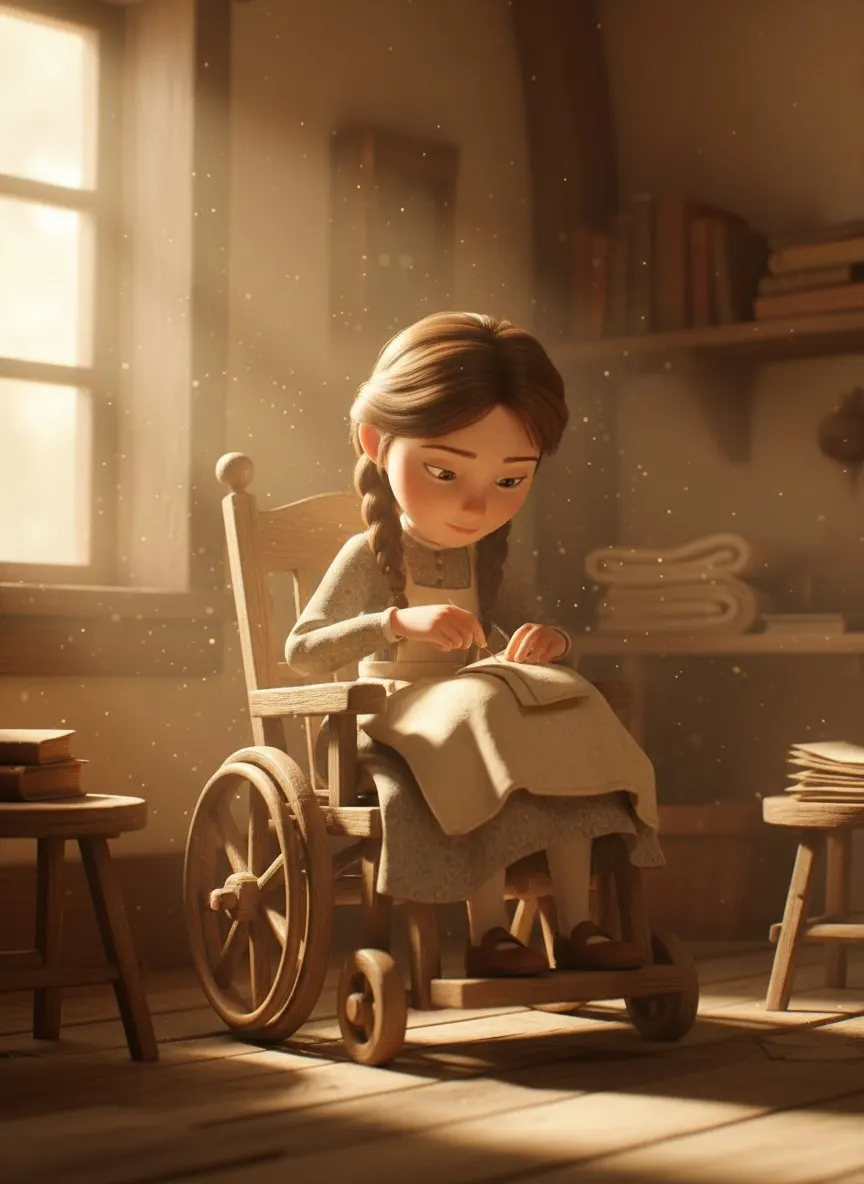
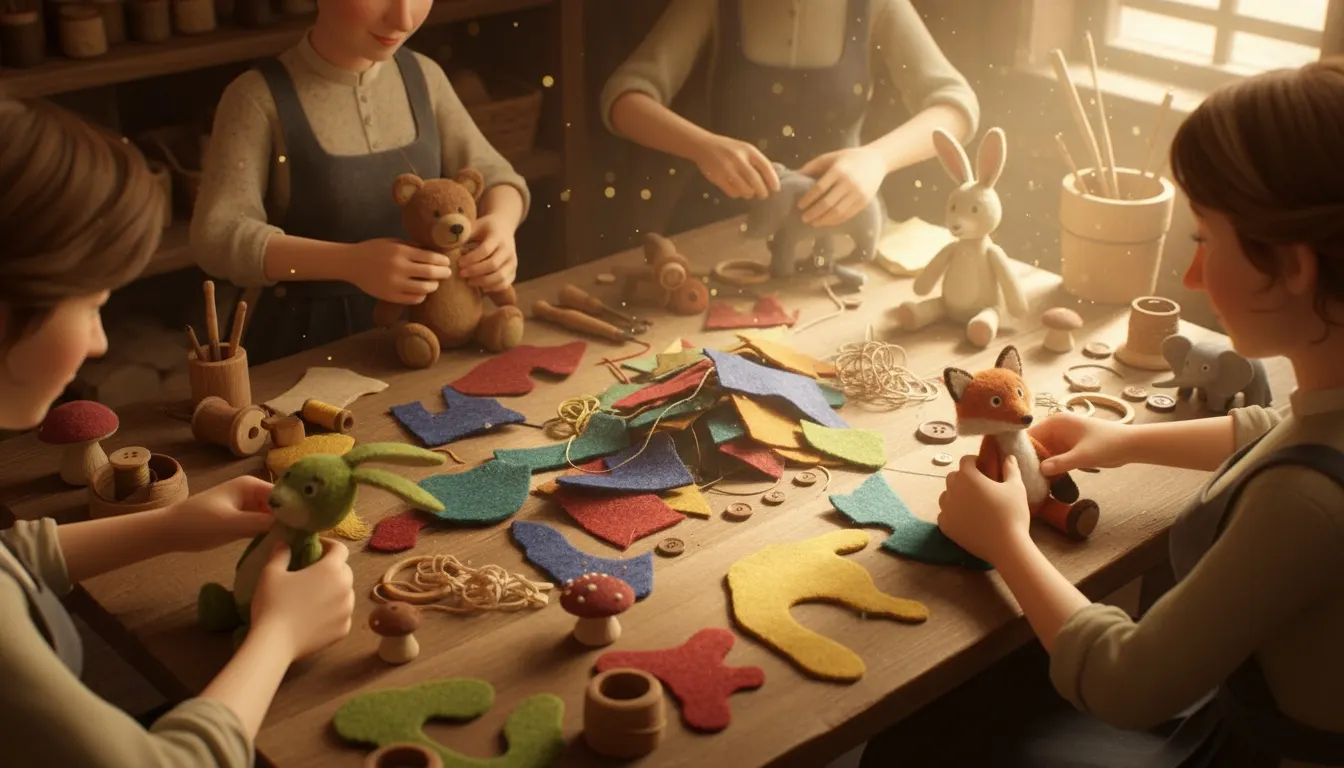
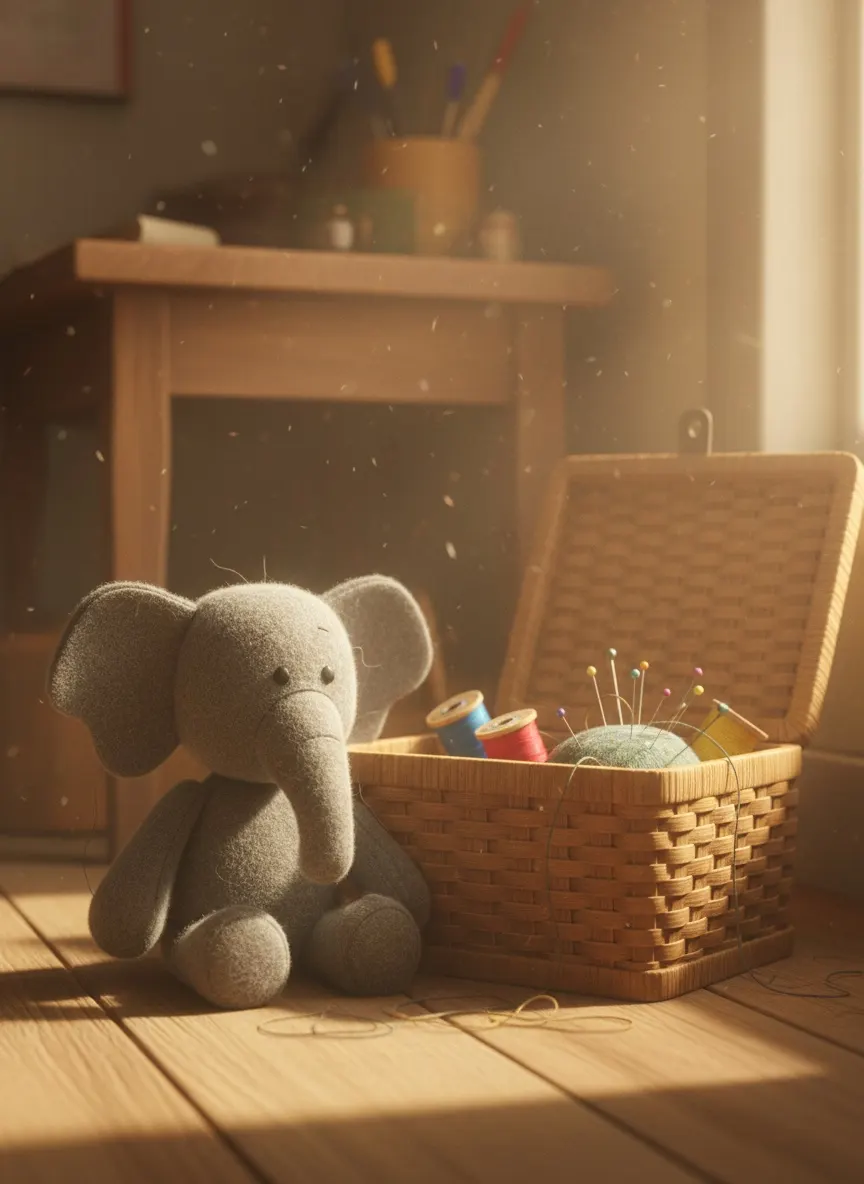
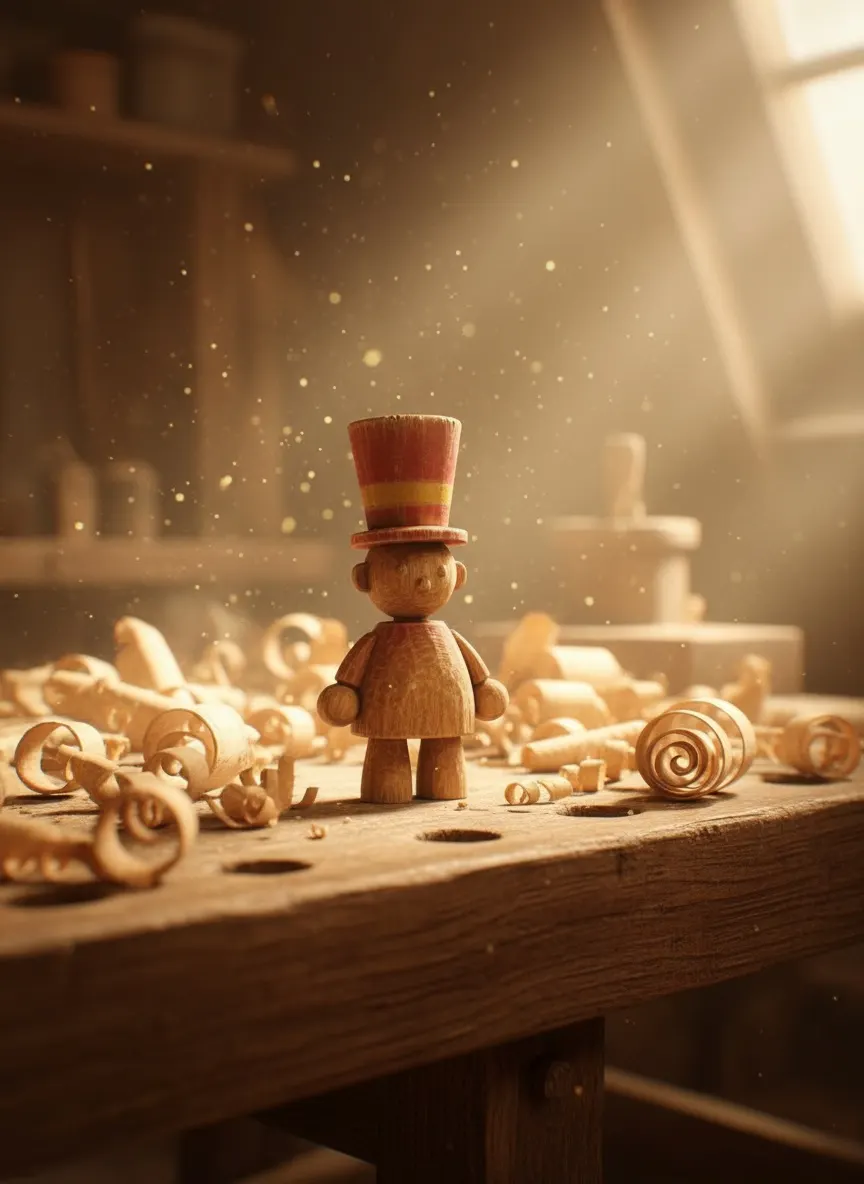
Year 2 History theme unit where an old box of toys comes down from the attic, one wrapped surprise at a time...and every toy has a story..

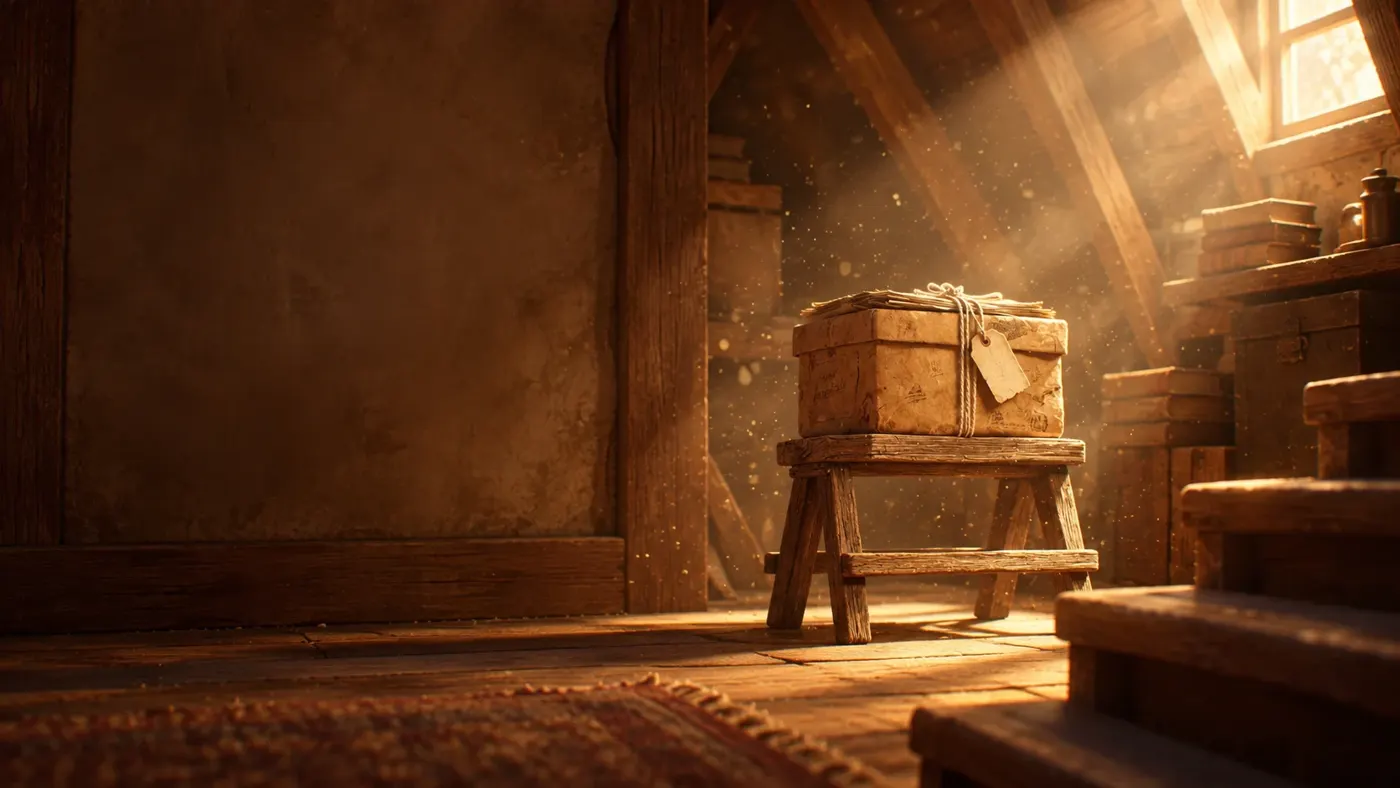
A Year 2 History unit, six sections long, built around a battered old box that comes down from the attic once a section, always to the same sound cue, always carried back up at the end. Each visit reveals one Victorian-era toy, which then speaks for itself in a short story chapter written for this unit: a wooden soldier, a rag doll, a wind-up tin car, a photograph of a bear nobody ever held. Alongside the story sits the real history: Margarete Steiff, the toymaker whose jointed bear became loved by children everywhere. By the final section a name and a date turn up inside the lid, and the class has to build its own reasonable answer, from the evidence gathered all unit, to the question the box has been asking all along: whose was this?
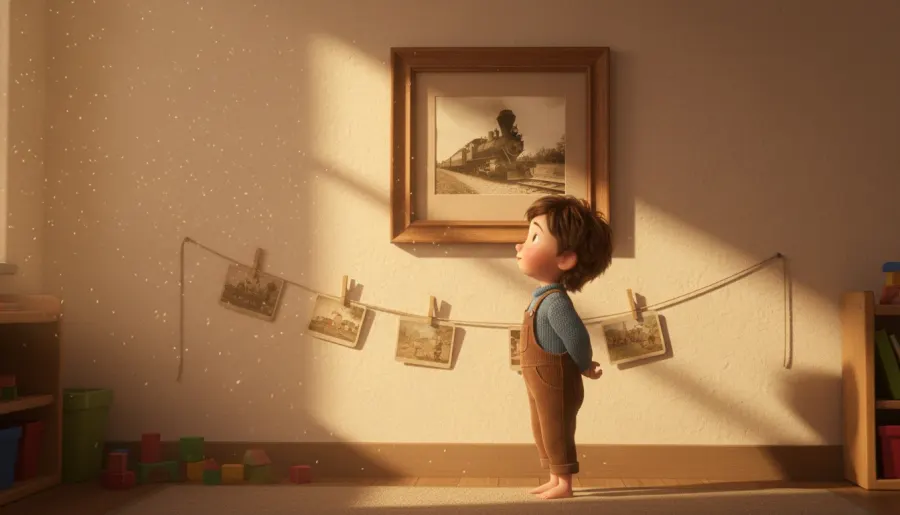
Chronology. Section 1 sets the working method for the whole unit: real photographs of a known adult as a baby, a child and now build the idea that the past is what has already happened, and long ago is a very long time before anyone in the room was born. The floor timeline is where pupils commit to an order, from a long, long time ago to now.
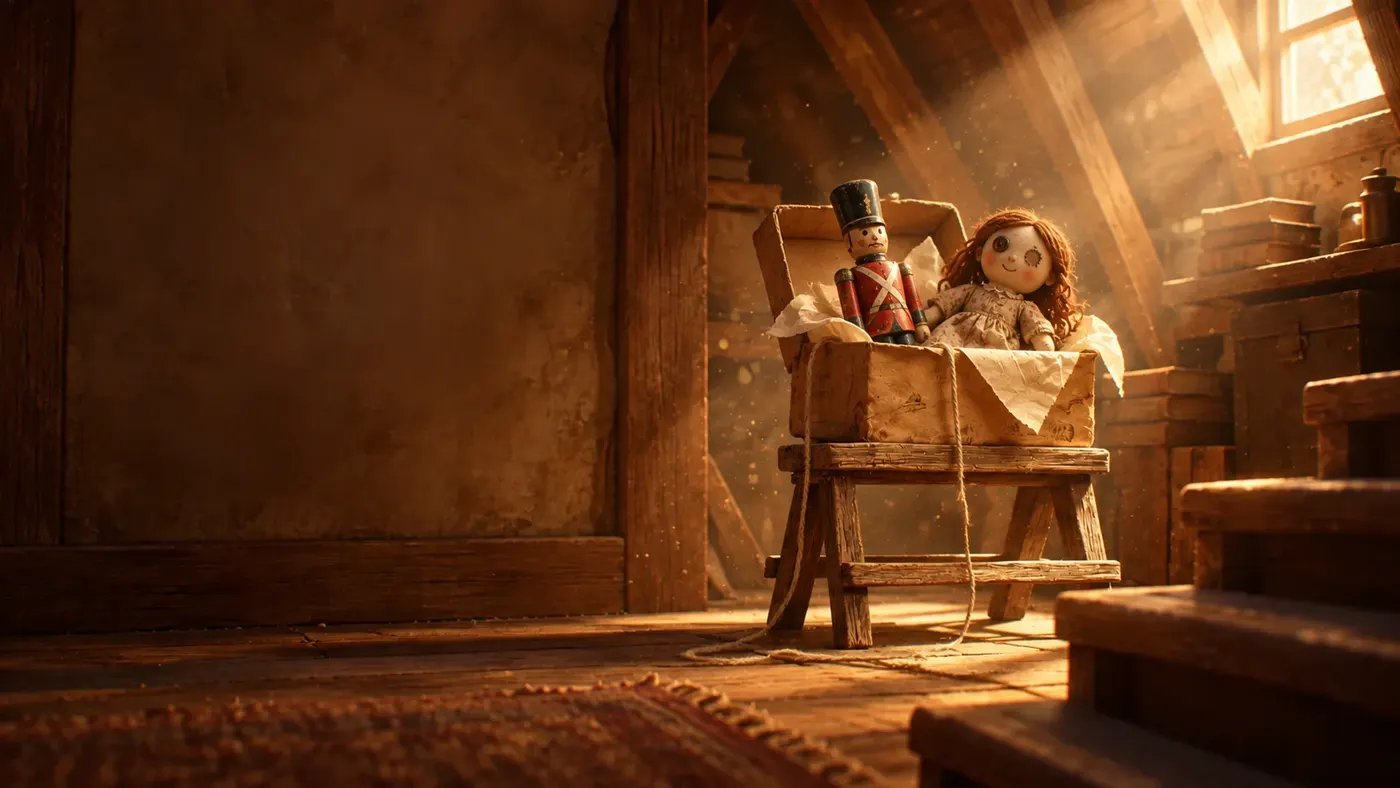
Evidence. Section 2 opens the box for the first time. The wooden soldier and the rag doll become the class's first sources, and the Object Detectives worksheet is where pupils record what an object is made of, what colour it is, and who might have used it, before taking turns in the hot seat.
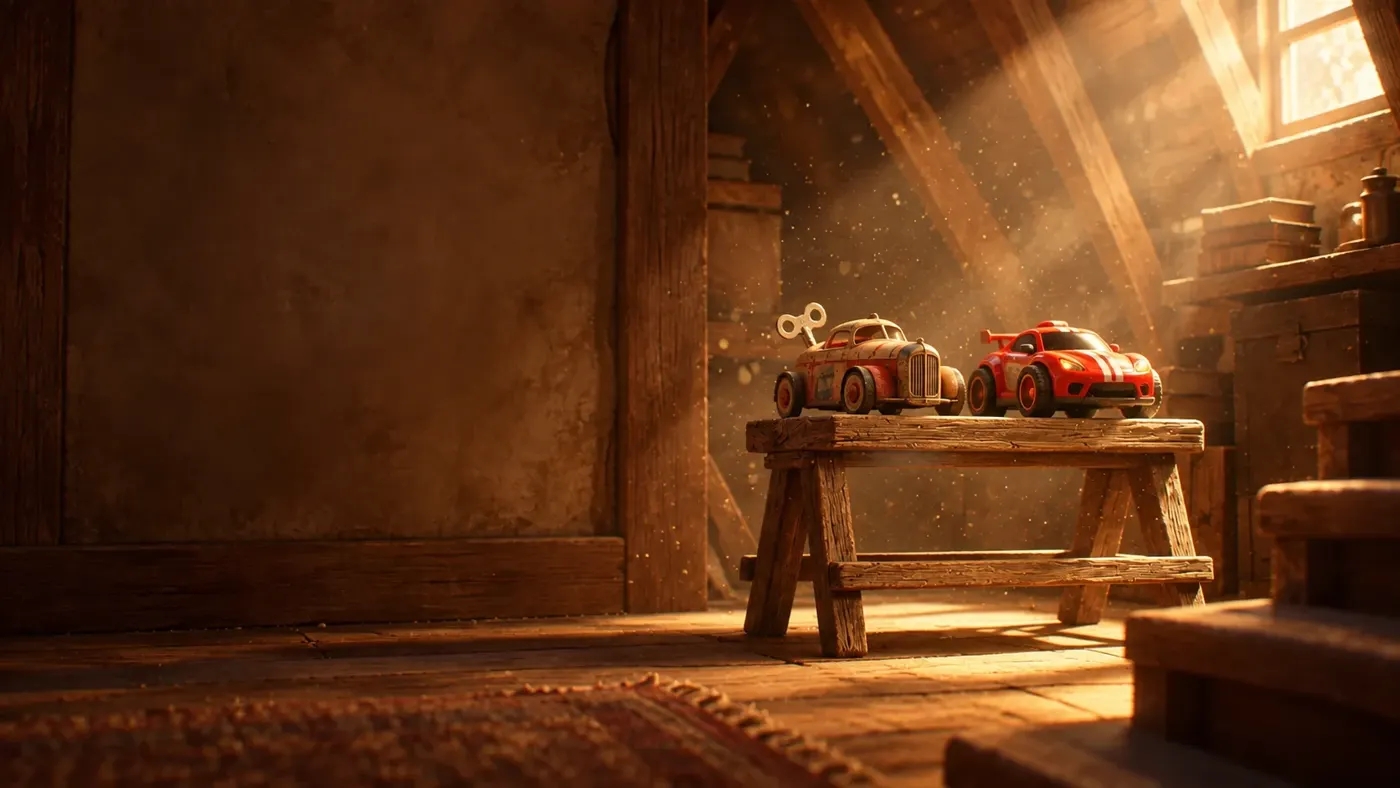
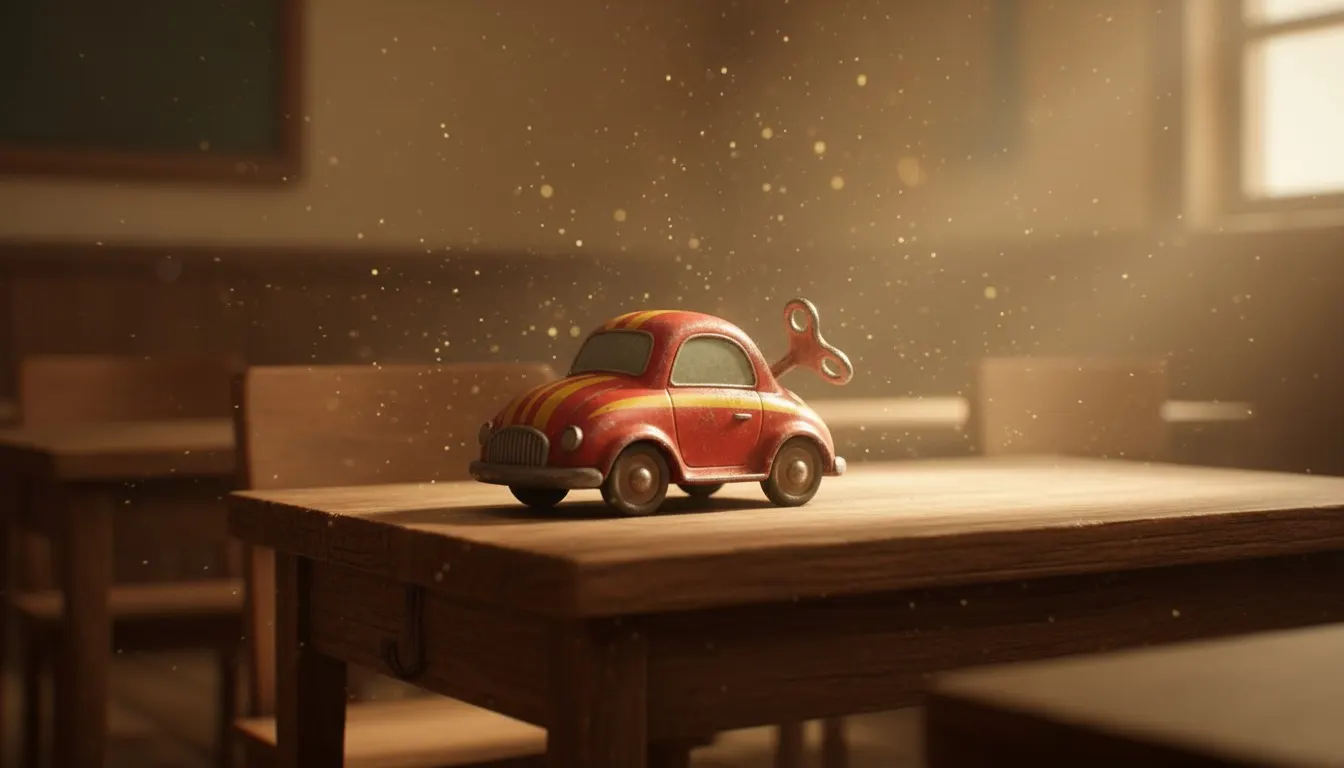
Continuity and Change. Section 3 puts a real wind-up tin car beside a real modern one. Change means something is different now compared to before; staying the same means it has not changed at all, and the Then and Now drawing sheet is where pupils commit their comparison to paper.
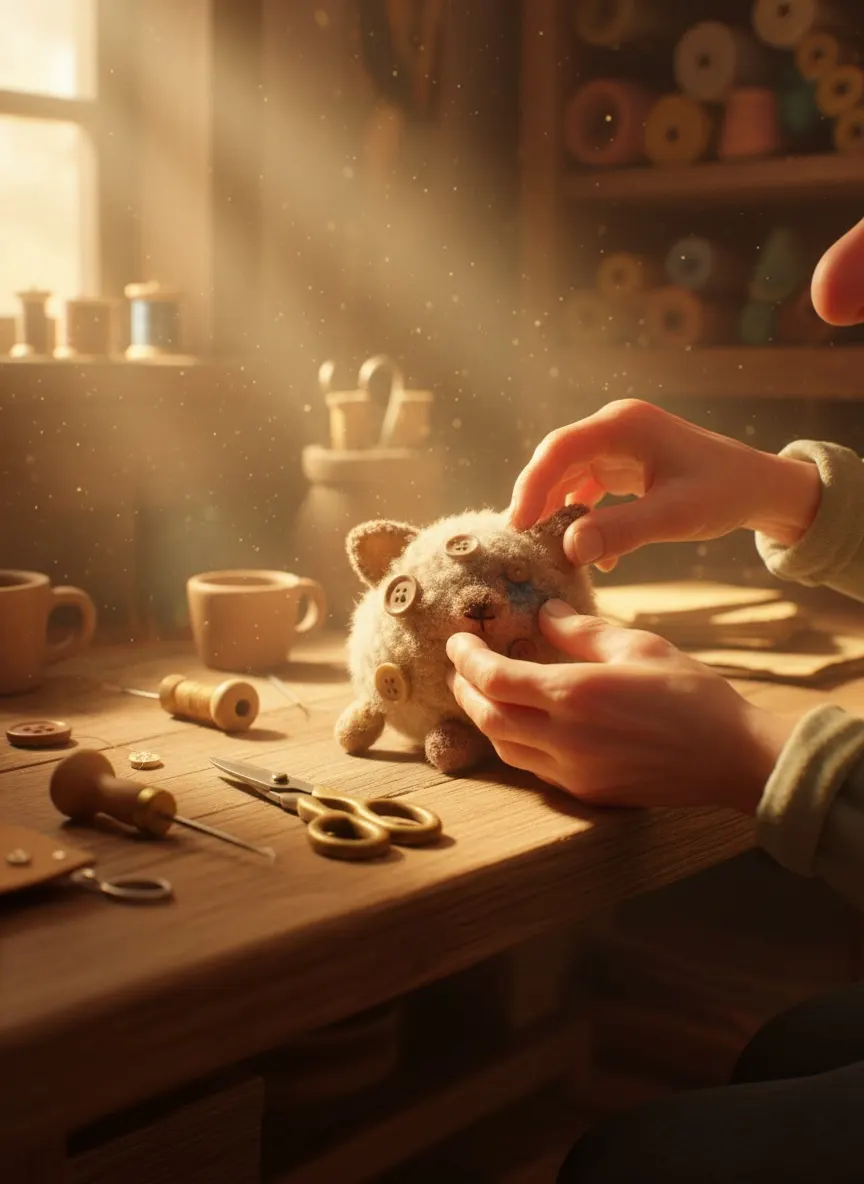
Cause and Consequence. Section 4 takes the true story of Margarete Steiff and insists on a chain: a pincushion elephant, children who wanted to play with it, a workshop that grew, a button that promised quality, and finally the jointed bear of 1902. The washing line of sequencing cards is where pupils build and say the chain aloud, this happened, so this happened next.
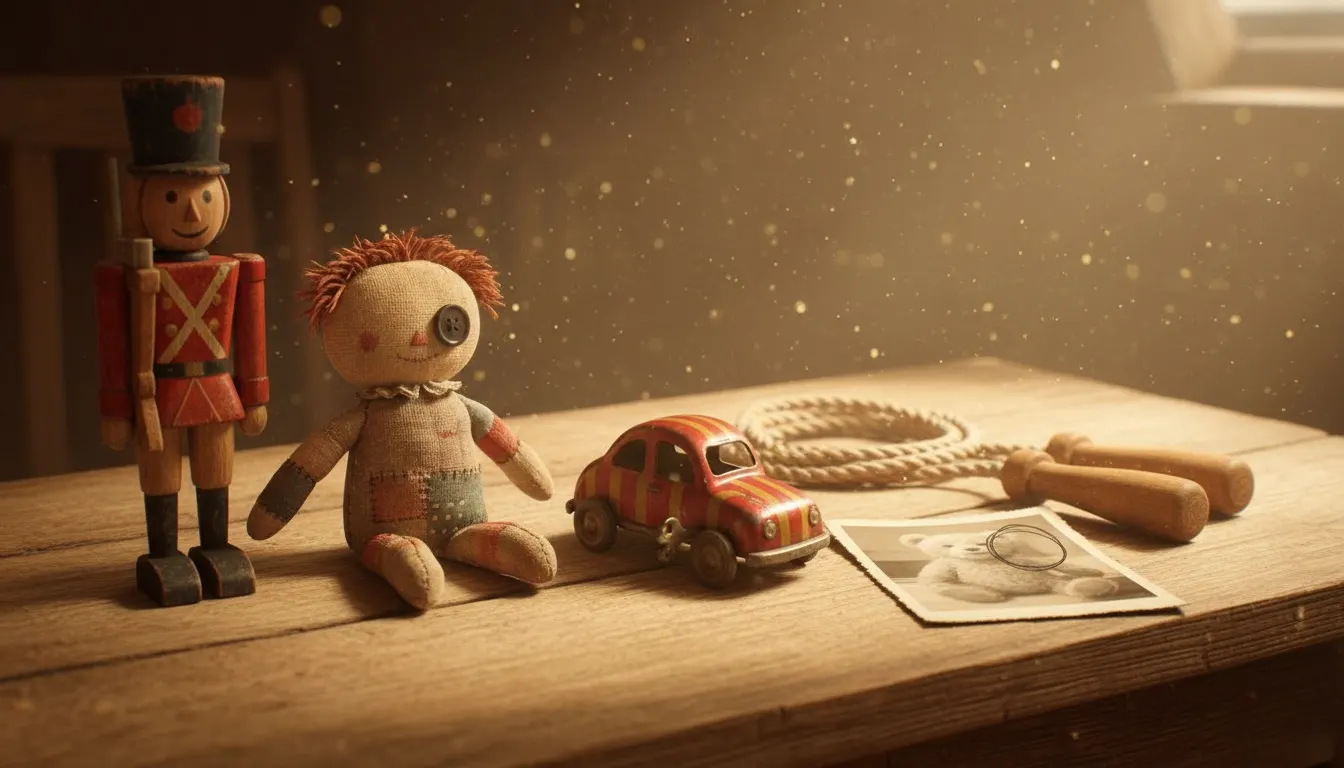
Similarities and Differences. Section 5 compares the children's own teddies against every toy the unit has uncovered, on more than one criterion (material, softness, how it works, who might play with it). The comparison chart and the sentence frames are where pupils turn looking into writing.
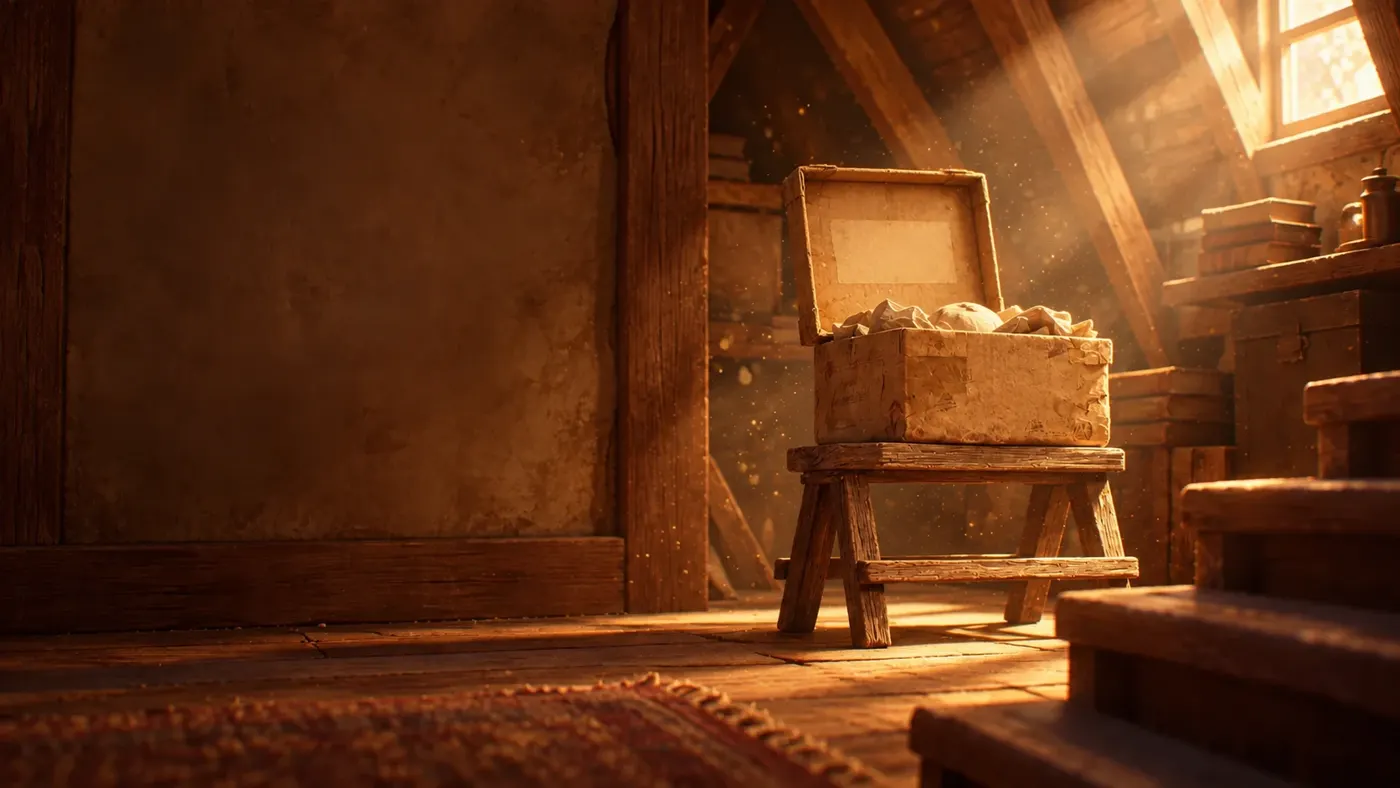
Perspectives and Interpretations. Section 6 is the payoff. A name and a date inside the lid, and a real period photograph, teach pupils that a source only ever shows part of the story, and that different groups can reach different, equally reasonable verdicts from the very same evidence.
By the end of the unit:
The Memory Book, a class scrapbook added to every section, finished with the class's own letter tucked inside the box in the final section.


Year 1
Each class investigates a significant person, place or event from their own local area.

Year 2
Pupils learn all about the lasting impact of The Great Fire of London.
Year 2
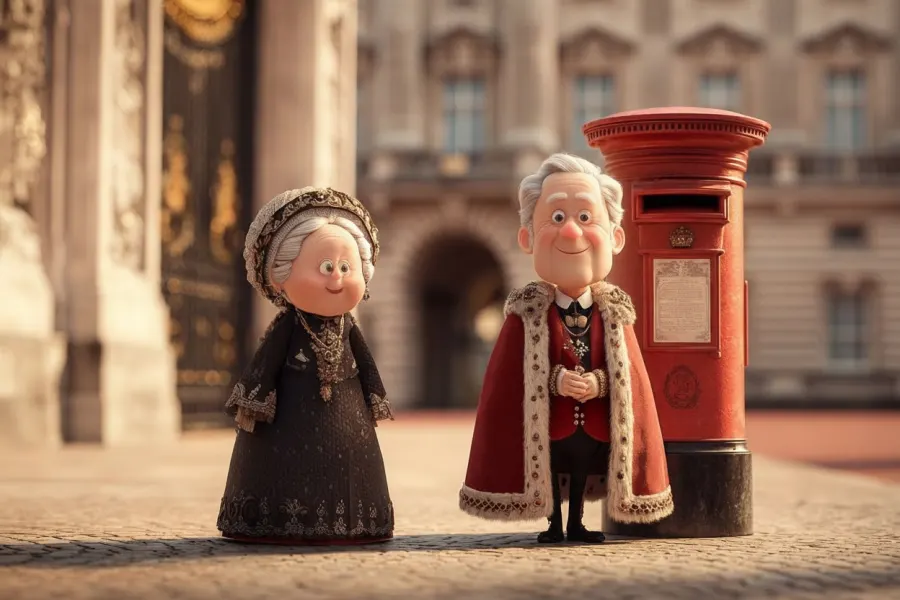
The lives and legacies of two British monarchs: Queen Victoria and King Charles III.

Year 1
The story of Thomas Barnardo, who gave thousands of Victorian children a home.
“As a primary pupil referral unit, creating genuine engagement is essential for our learners. We were looking for a curriculum that places children at the heart of everything and encourages them to immerse themselves in purposeful, meaningful activities. Dimensions has proved to be a strong fit because it enables our pupils to be active, curious learners rather than passive recipients of information. It brings learning to life in a way that motivates them and supports high-quality learning throughout. Plus, the children just love the curriculum!”
“Our school fully embraced the Dimensions curriculum and it has brought the world to our classrooms!”
“As a school we are really pleased with our decision to go with Dimensions. It has changed the way we teach our topic lessons as a school and has elevated the quality and diversity of the topics taught throughout KS1 and KS2. It is wonderful how the same theme can be so diverse across all age ranges and it has given teachers the confidence to explore themes they may not have taught previously.”
 Scoill Phurt Le Moirrey
“Dimensions Curriculum is amazing! We’ve used it for a few years now and the children absolutely love the different topics and are really engaged by the modern and relevant aspect of these. … Added to this is the amazing support that you get from the Dimensions team and nothing is ever too much trouble.”
“Introducing the curriculum has been a real game-changer for our team. It’s clear, well-structured, and genuinely supportive of high-quality teaching. Planning is now more streamlined and consistent, while still allowing flexibility for individual classes and teaching styles. The progression is easy to follow, expectations are clear, and it’s saved us valuable time without compromising creativity or impact. A thoughtfully designed resource that’s already making a positive difference in our classrooms.”
 Woodford Halse School
“As a class teacher I have really enjoyed using both the Dimensions Curriculum and 3D PSHE. Both products have been very well designed with clear, progressive and sequential plans, incorporating creative, engaging ideas and have given me the peace of mind to know I am teaching the children a quality curriculum. Wouldn’t expect anything less from a product designed by teachers, for teachers. Thank you Dimensions team!”
“The Dimensions 3D PSHE curriculum map, programs of study and enrichment unit are so well organised! I am very excited to use it all!”
“Children in my school using Dimensions are motivated to learn and can articulate what they are learning and why they are learning it. … The curriculum maps, knowledge organisers and other documents available for subject leadership are super handy and also save on workload. It is excellent value for money.”
“Introducing the curriculum has taken the weight off leaders knowing that everything is covered with clear progression documents. Children are getting the breadth and depth of coverage required. It has made a really positive impact especially when planning for mixed age classes. It is great to have the support available for ever changing class structures.”
 Beeston Primary School
“I have had an extremely positive experience with Dimensions. They are a fabulous company, producing products to a very high standard that really engage children. Their curriculum is amazing and using it, I have had outstanding progression, engagement and enjoyment both from the children and myself! I would wholeheartedly recommend Dimensions!”
“Music Crew gives teachers much more confidence when teaching music lessons. The children look forward to music and remember what they have learned from previously. The progression is excellent. Music Crew can be adapted to meet the needs of individual classes and the needs of the school.”
 Warton St. Paul’s CE School
“It allows teachers to do what they do best, create engaging schemes of work and lessons and then teach accordingly, safe in the knowledge that statutory demands are covered and progression ensured … Our successful inspection outcomes are testament to the confidence we have in Dimensions. I could not ask for more from Dimensions.”
“We contacted the Customer support team and requested a new document that had the lesson codes and learning objectives for each year group, for each term. They were more than happy to help and emailed the documents to us the same day which was very helpful and exactly what we needed.”
 St Andrew’s School
“As a teacher, working in an international school in Hong Kong I have followed the Dimensions Curriculum Thematic Units for a few years now, and I cannot recommend these resources highly enough. I absolutely love how it engages my students, by making learning fun, relevant and interesting for them. … Oh, and I should also mention all the time they save me in planning.”
“Absolutely loved using the Dimensions Curriculum. It was flexible and creative and allowed us to shape the learning in our school in such a way that it was relevant and purposeful for everyone involved, including the teachers! I enjoyed working with Elaine throughout, and found the support provided to myself as curriculum leader and the staff training given to be excellent.”
“I bought the PSHE Curriculum for my School. The resources are just fantastic! They are packed full of great ideas, easy to use and relevant. I would highly recommend all their resources to any teacher. It’s definitely the way forward.”
“From a teacher’s perspective, this curriculum has revitalized lesson planning. … Overall, this curriculum has been a game-changer. It has enhanced engagement, deepened learning, and created a more dynamic and enjoyable experience for both students and staff. We wholeheartedly recommend this approach to any ASD school …”
“We have worked with Elaine and the Dimensions team for over 5 years. The staff enjoy teaching the theme units and the pupils love their learning. Ofsted were very impressed with our curriculum and praised the creative learning and experiences the pupils were encountering. … Our school love it.”
“They are a fantastic company with a wealth of knowledge and understanding. Their products are inspiring, innovative, unique to the market and importantly they are fun and exciting. I would recommend every school to have a visit from Elaine or her team, it’s a decision you won’t regret!”
“Have used Dimensions to enhance our school curriculum for many years with much success and great results. The support of the Dimensions team and their curriculum has also helped us through two successful OFSTED visits! Would highly recommend.”
“We have seen the knowledge and skills of our children deepen and their experiences in the classroom and of the wider world have broadened. … We have made so many meaningful connections to our whole school vision and values.”
“Excellent curriculum resources with outstanding provision for all age groups.”