Year 1
Our Place, Our Past
Each class investigates a significant person, place or event from their own local area.
 Let’s talk
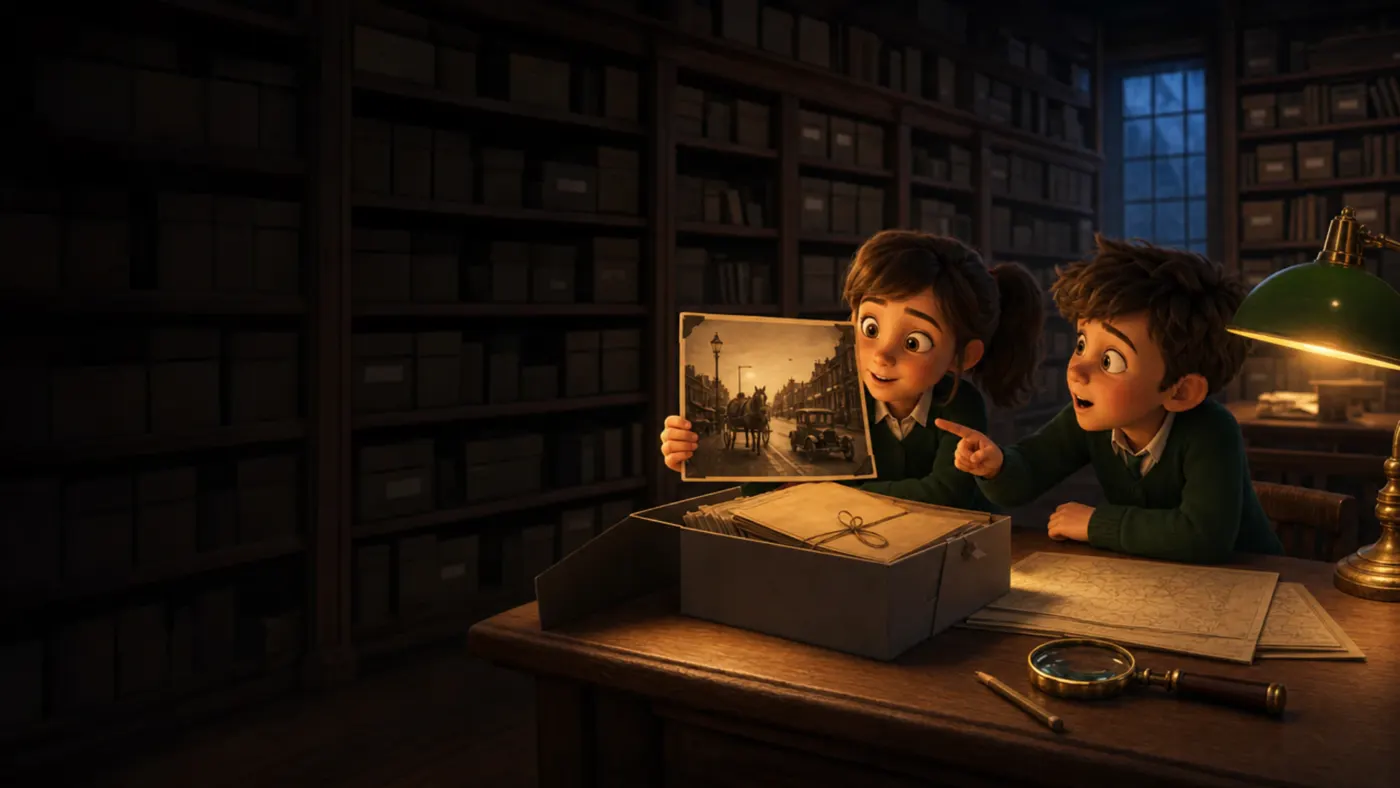
A Year 5 History local study: a box of real sources from your own record office, one local life placed against the wider world, and the landmarks that changed around it.
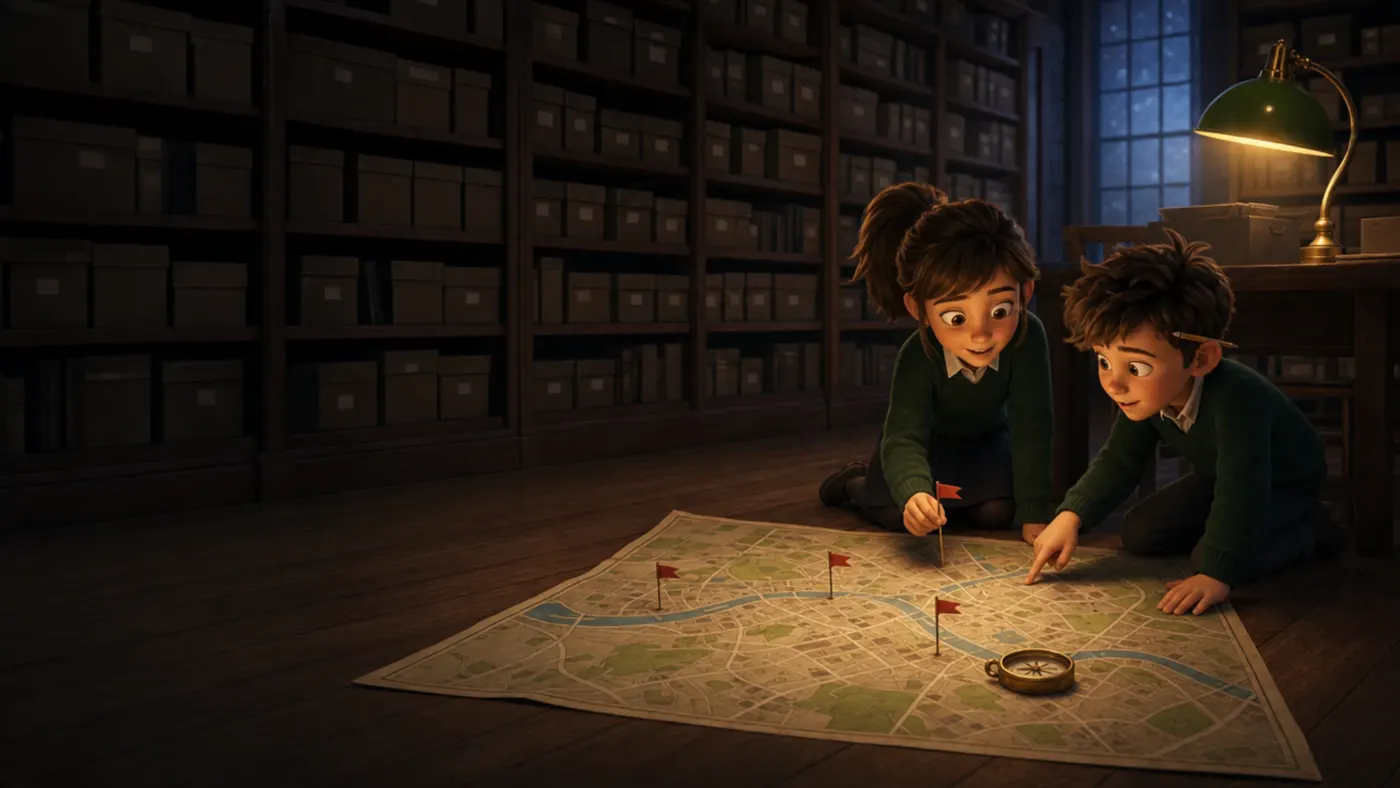
A Year 5 History scheme, six sections long, built on no fixed content at all: your class investigates one real person from its own area, using genuine sources you borrow from a record office, library local history collection or museum before you begin. Because there is no set figure, no set town and no set landmarks, the knowledge the unit actually teaches is the historical thinking itself: how to judge a source by its origin, purpose, audience and context, how to build a timeline somebody else could trust, how to tell a coincidence from an evidenced cause, how to compare two periods against chosen criteria, and how to write an account that holds more than one point of view. The class builds a Guidebook, one page per section, and the unit ends with pupils leading a guided tour of five real local landmarks for a visitor in role. Three things are typed in by you rather than shipped with the unit: the figure's details, the five landmark picture pairs, and the per-section facts each later section needs. The figure's name stays hidden from pupils until the reveal in Section 1.
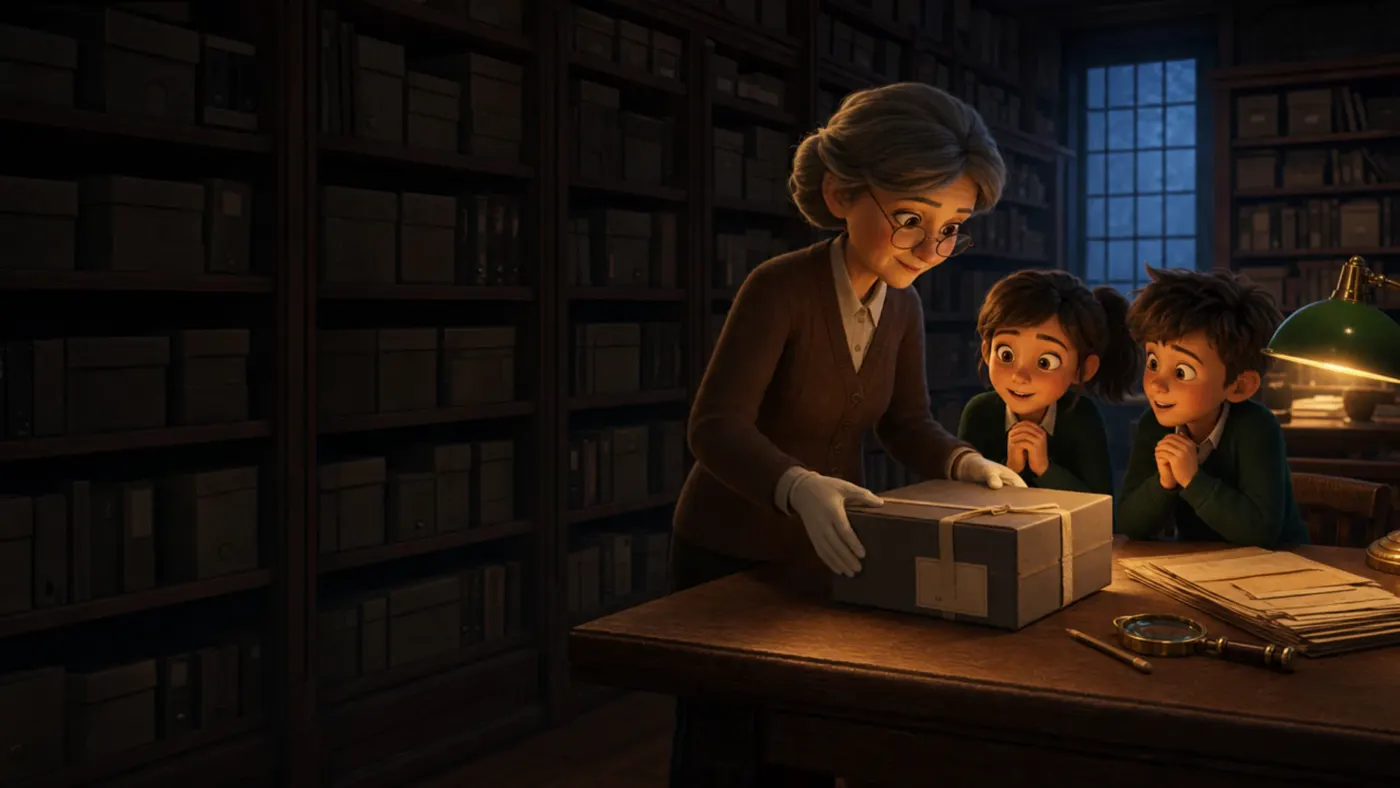
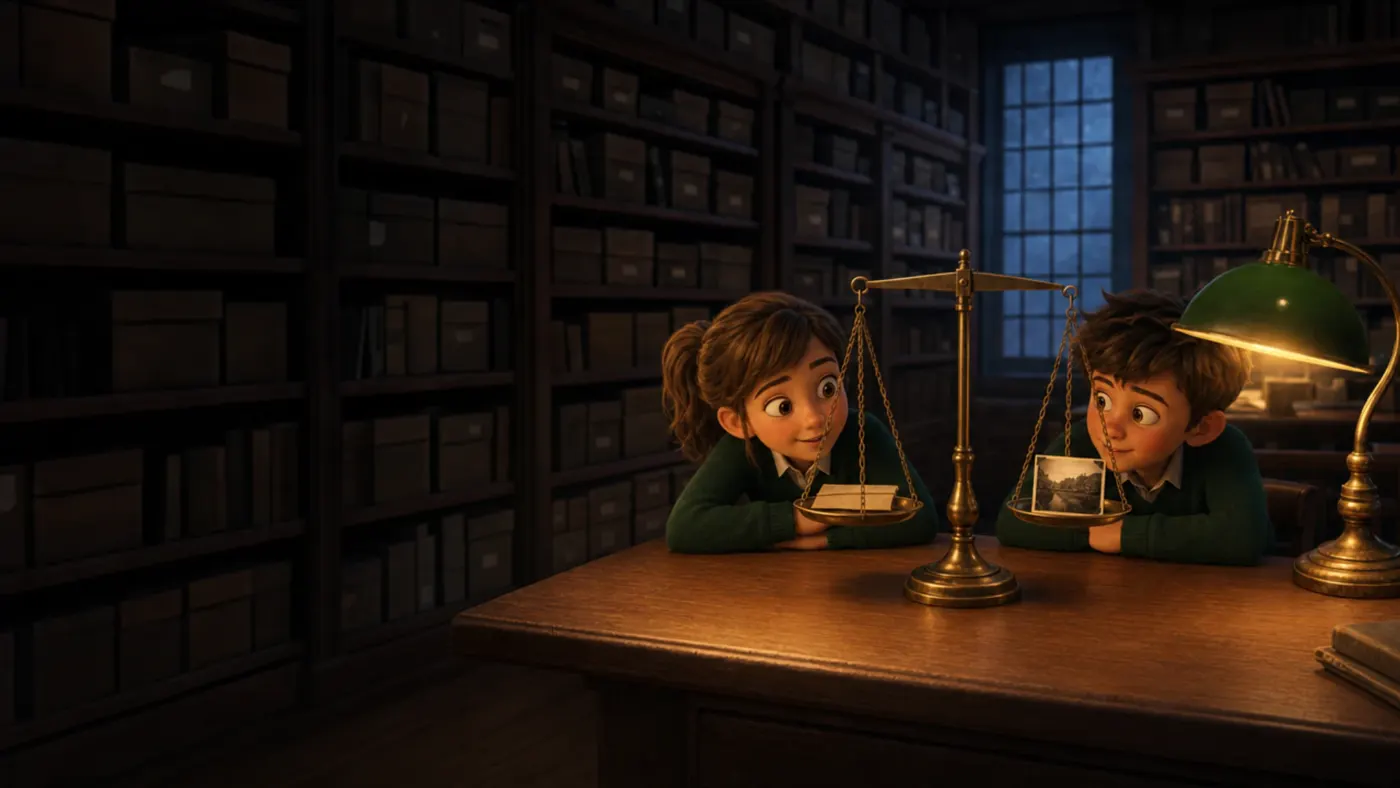
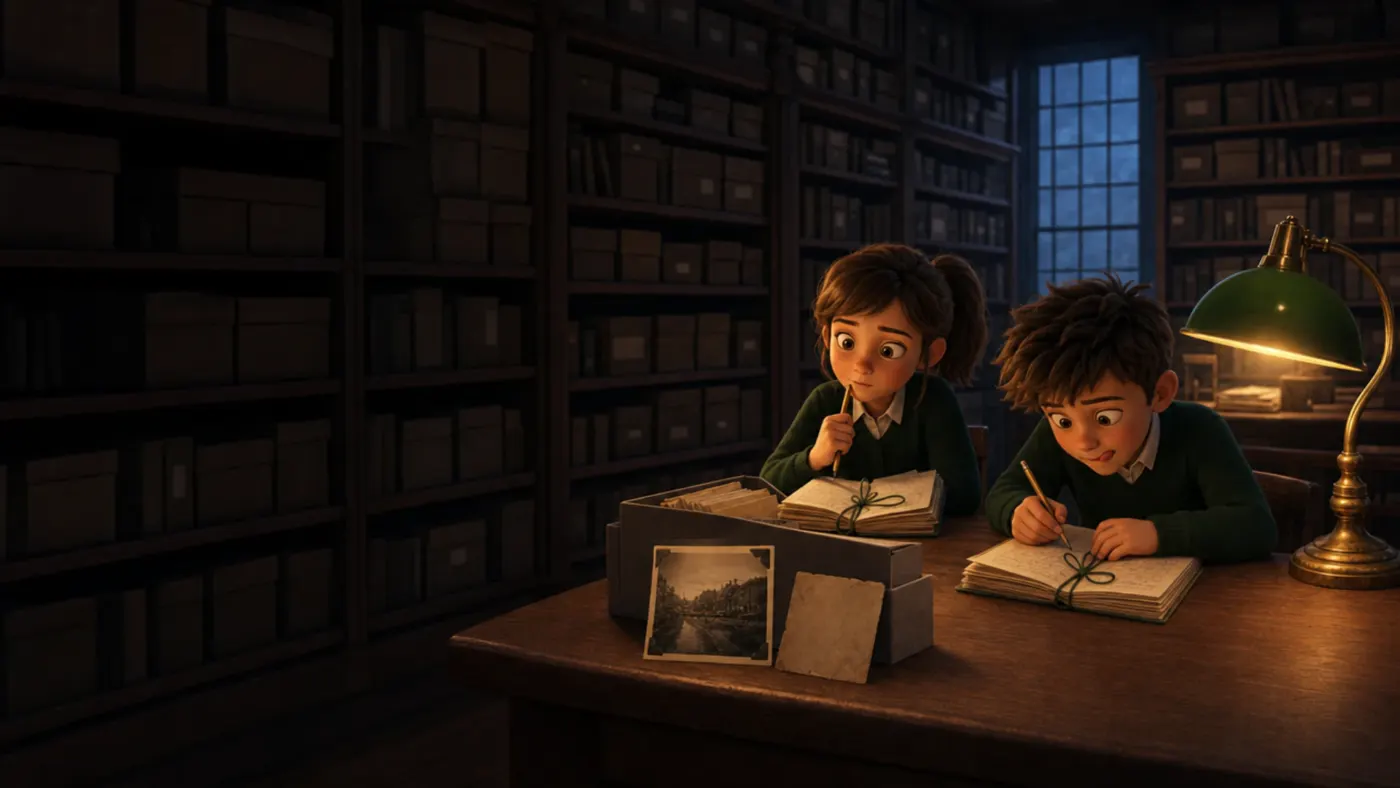
Evidence. Section 1 does its evidence work on genuine local material rather than on anything shipped with the unit. The four source types are taught with a strength and a limitation each, so no type comes out as automatically best, and the four criteria (origin, purpose, audience, context) are taught one at a time with a concrete example from your own box for each. The modelling on Slide 10 matters more than it looks: the teacher physically reads out a phrase from the source while judging it, because that is what supporting a judgement with a quote looks like, and pupils are asked to do the same thing two slides later. Competency: Courage, in the half-class debate where pupils commit to a view on which kind of evidence deserves more weight and defend it out loud.
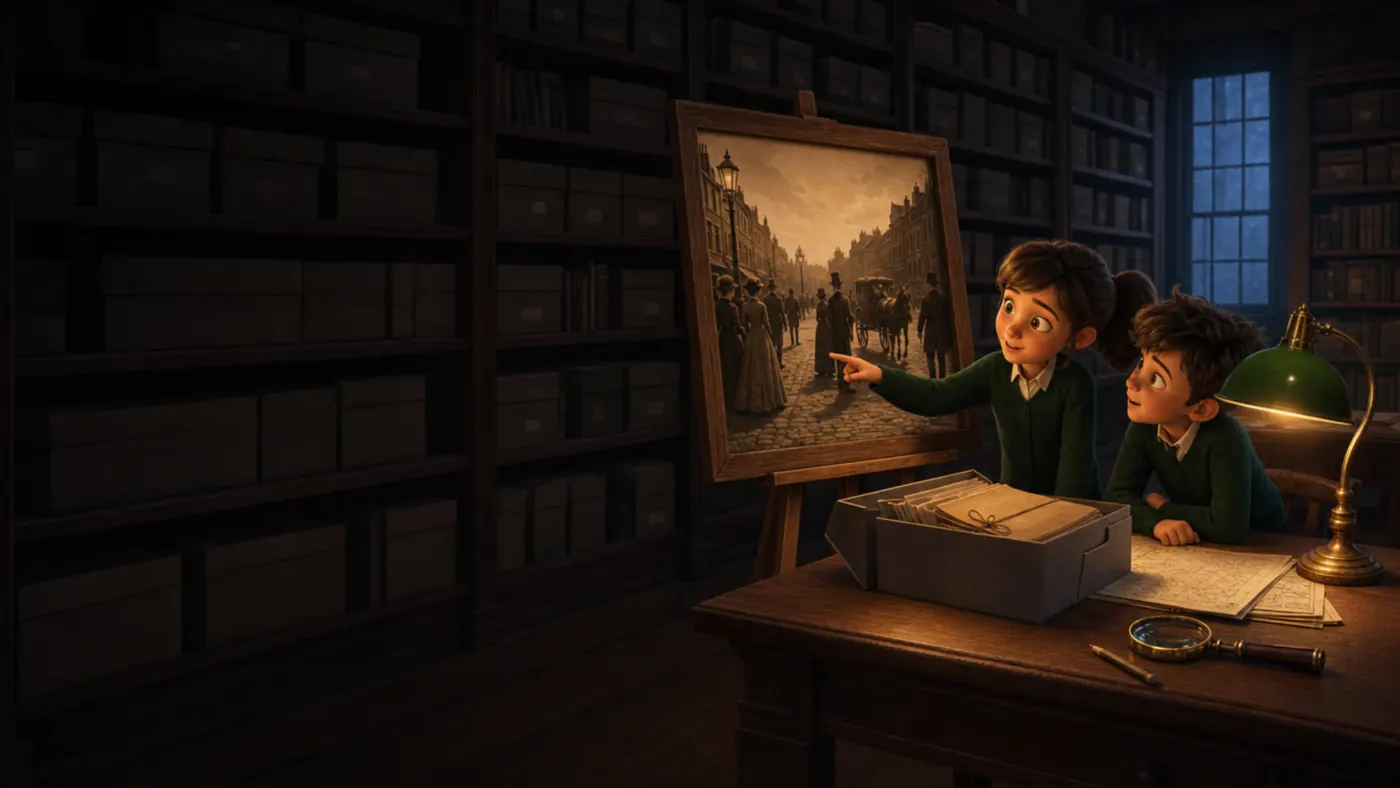
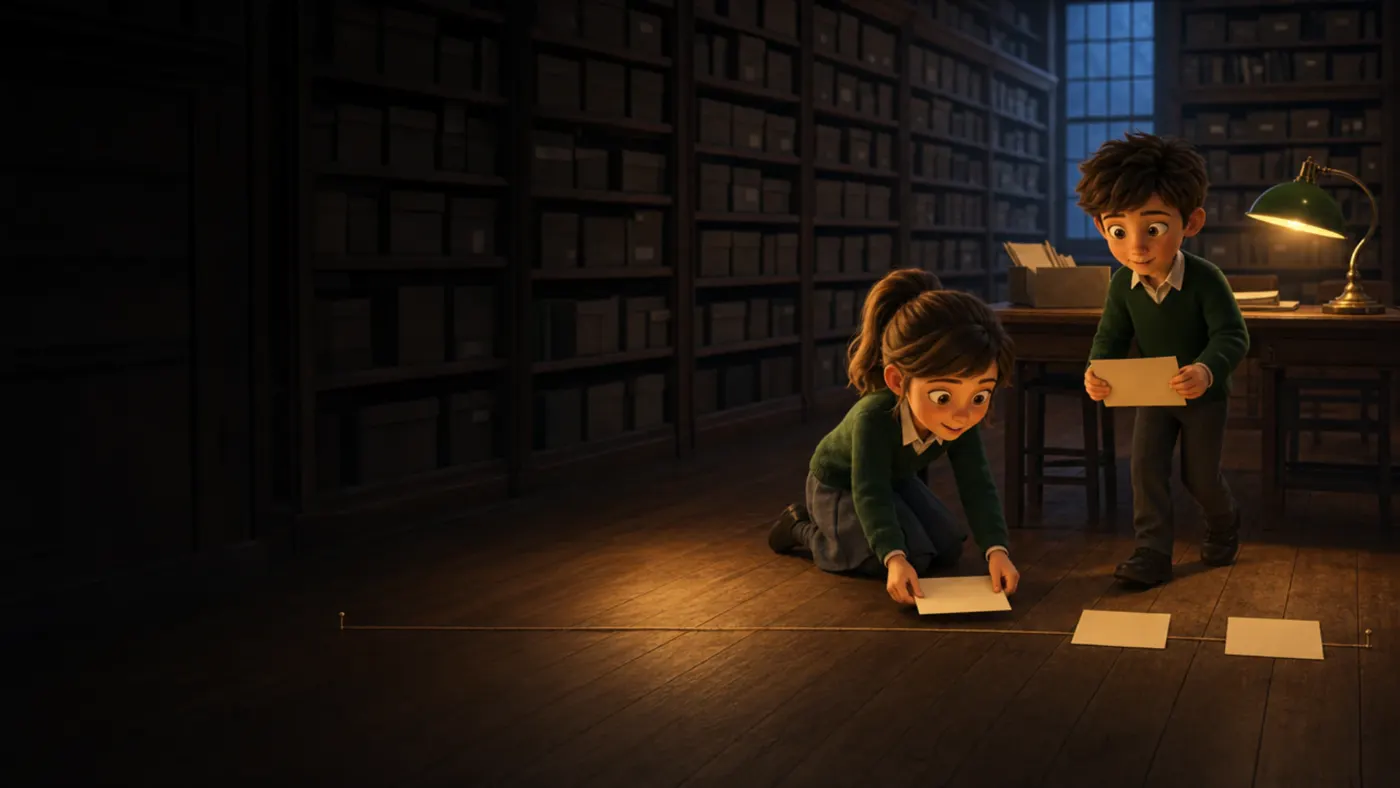
Chronology. Section 2 teaches era and transition as ideas, not as labels to memorise, and insists a timeline is judged rather than admired. The three planted errors on the flawed exemplar are findable by careful looking, and the teach-back in trios draws out why a wrongly spaced timeline actually misleads a reader rather than merely looking untidy. The floor line is a physical build: four groups walk their card to the position they think is right and explain the reasoning as they place it, and the class adjusts together. Your chosen era marker, AD/BC or CE/BCE, is set here and held identically on every date for the rest of the unit. Competency: Community, on the photographed floor timeline, where one local life is seen threaded into national and global events.
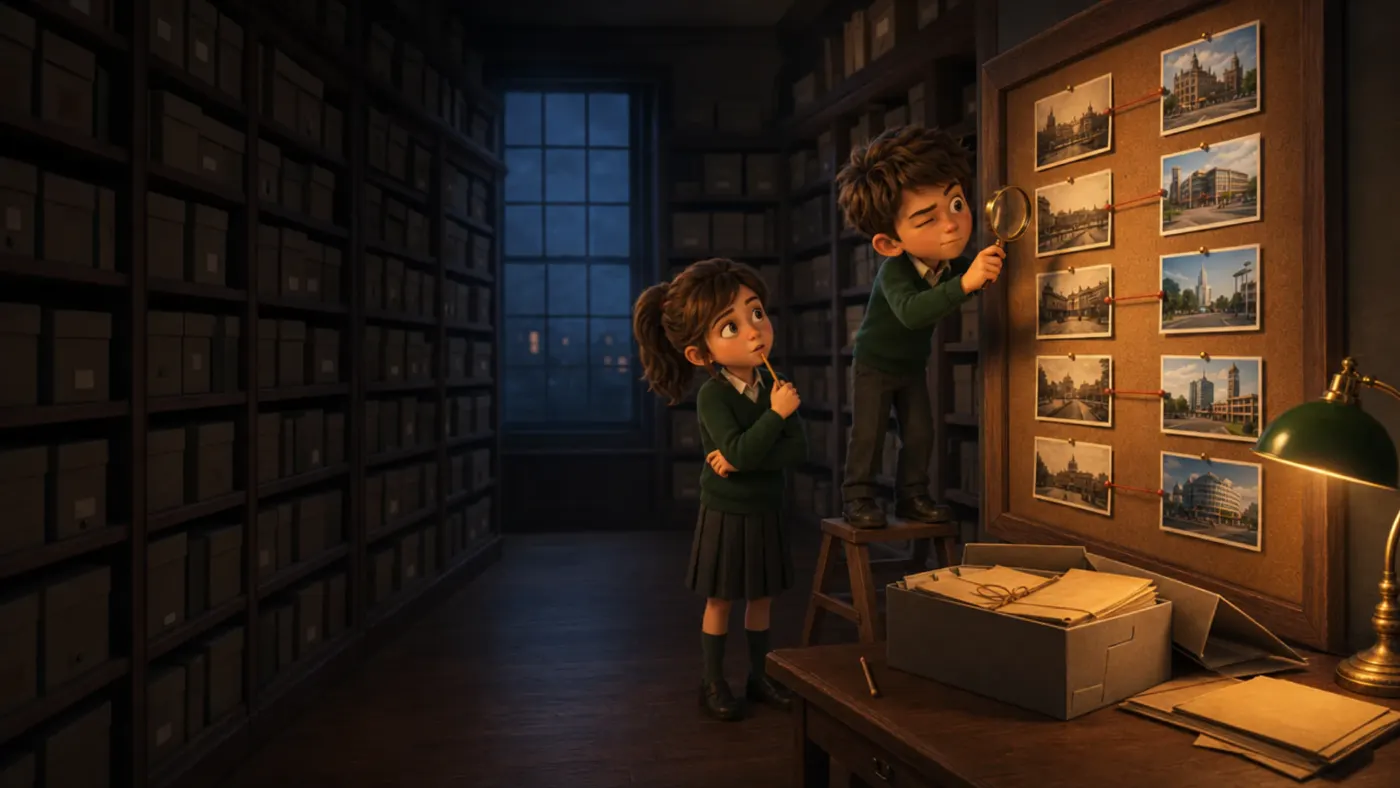
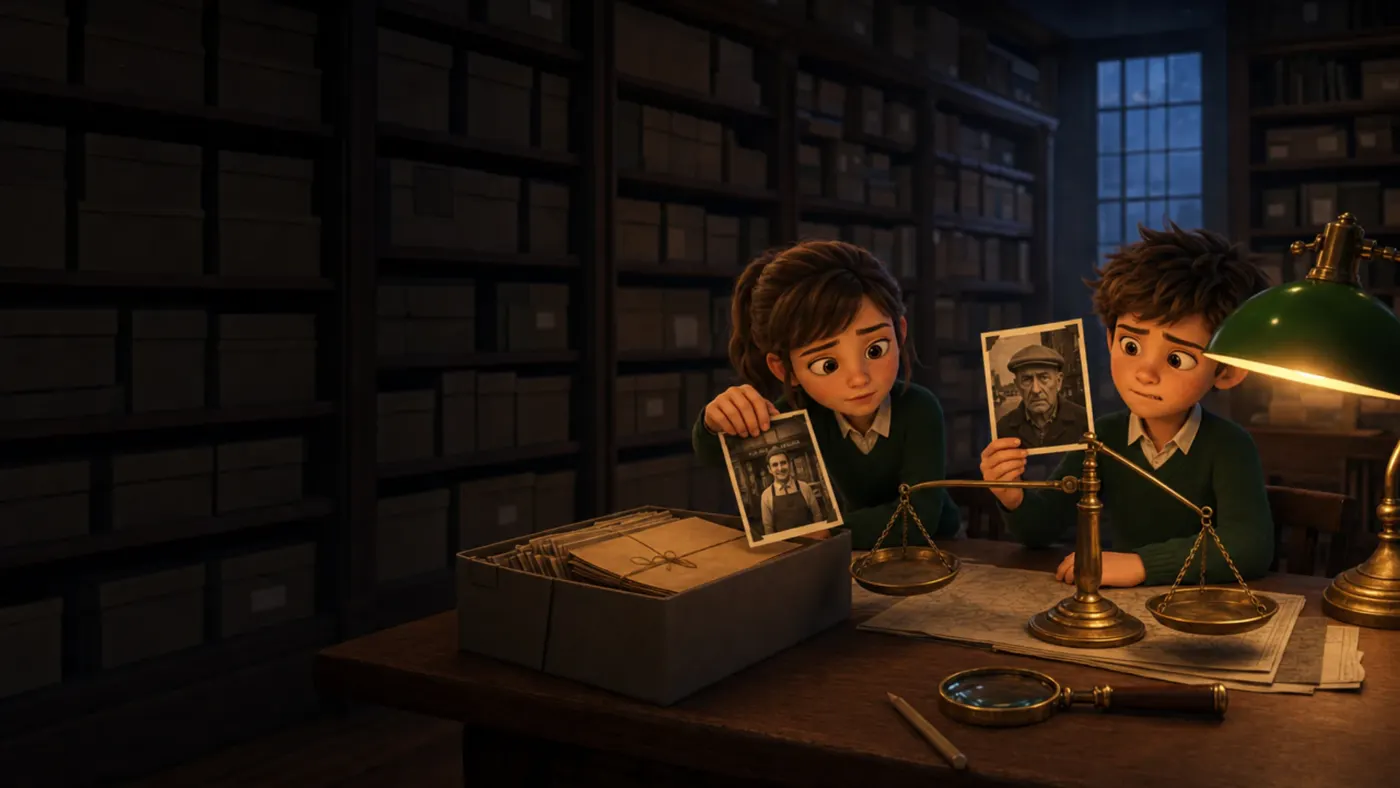
Continuity and Change. Section 3 is built entirely from the five landmark picture pairs you upload, so every class sees its own area. The five are shown unlabelled first, deliberately, so pupils guess before anything is confirmed. Progress, decline and mixed are taught before any judgement is asked for, and the point that the same change can look like progress to one person and decline to another is the section's real content. The sort into changed a lot, a little and barely changed has no right answer and the reveal button is hidden, because the reasoning aloud is the task. Competency: Creativity, in the thought bubble where pupils generate several possible explanations for one landmark's change without any of them being confirmed or ruled out yet.
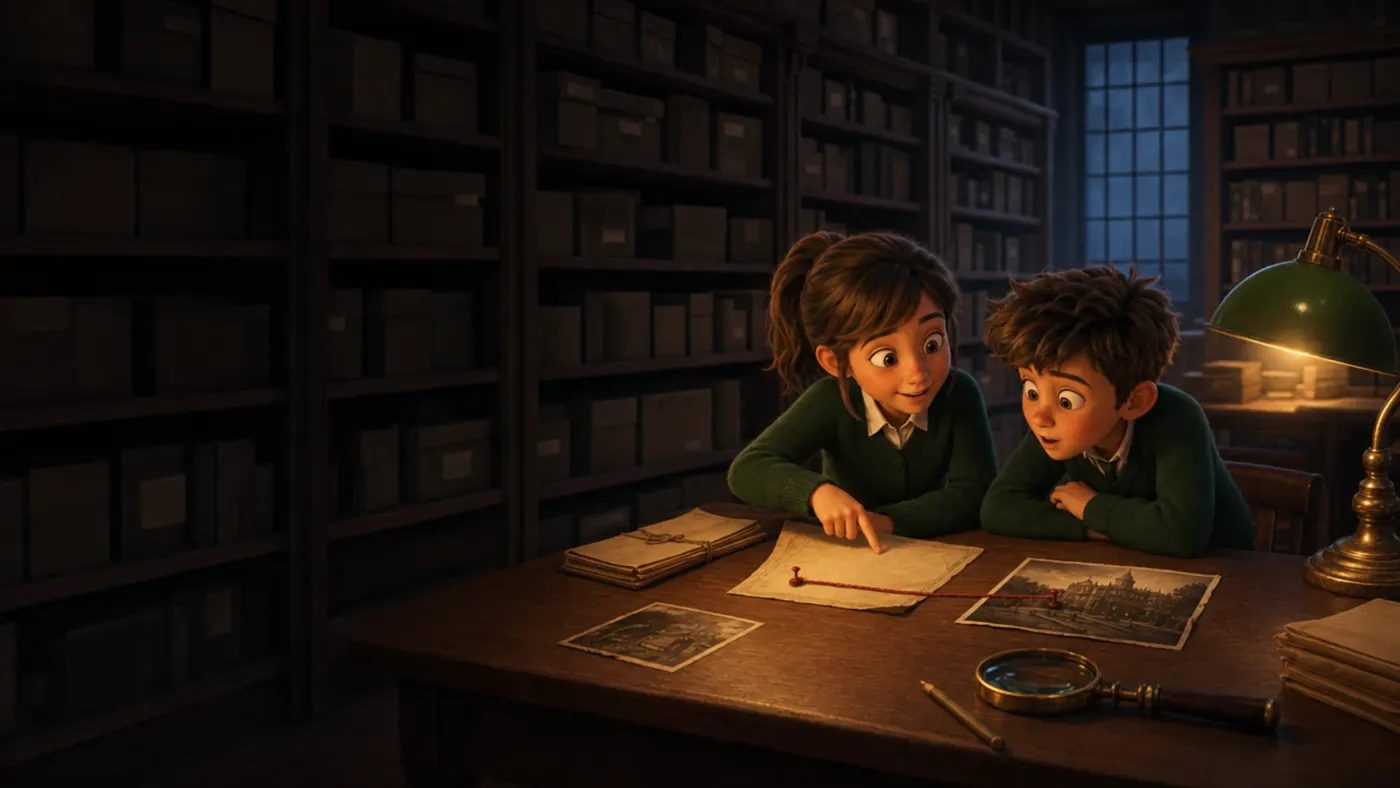
Cause and Consequence. Section 4 is the section that tests Section 3's guesses. Correlation is taught first on a non-historical example so the teaching is precise before any local material is touched, and the paired invention task is deliberate: pupils are asked to make up a connection between two unrelated real events, however ridiculous, so they feel for themselves how easily a plausible story assembles itself out of nothing. Only then are they shown the evidence that does link one explanation to the change and the absence of any such evidence for the other. The chain build pauses wherever two causes interact and asks why neither alone would have been enough. Competency: Commitment, on the question of what mistake the class would have made if it had stopped at the first tidy answer.
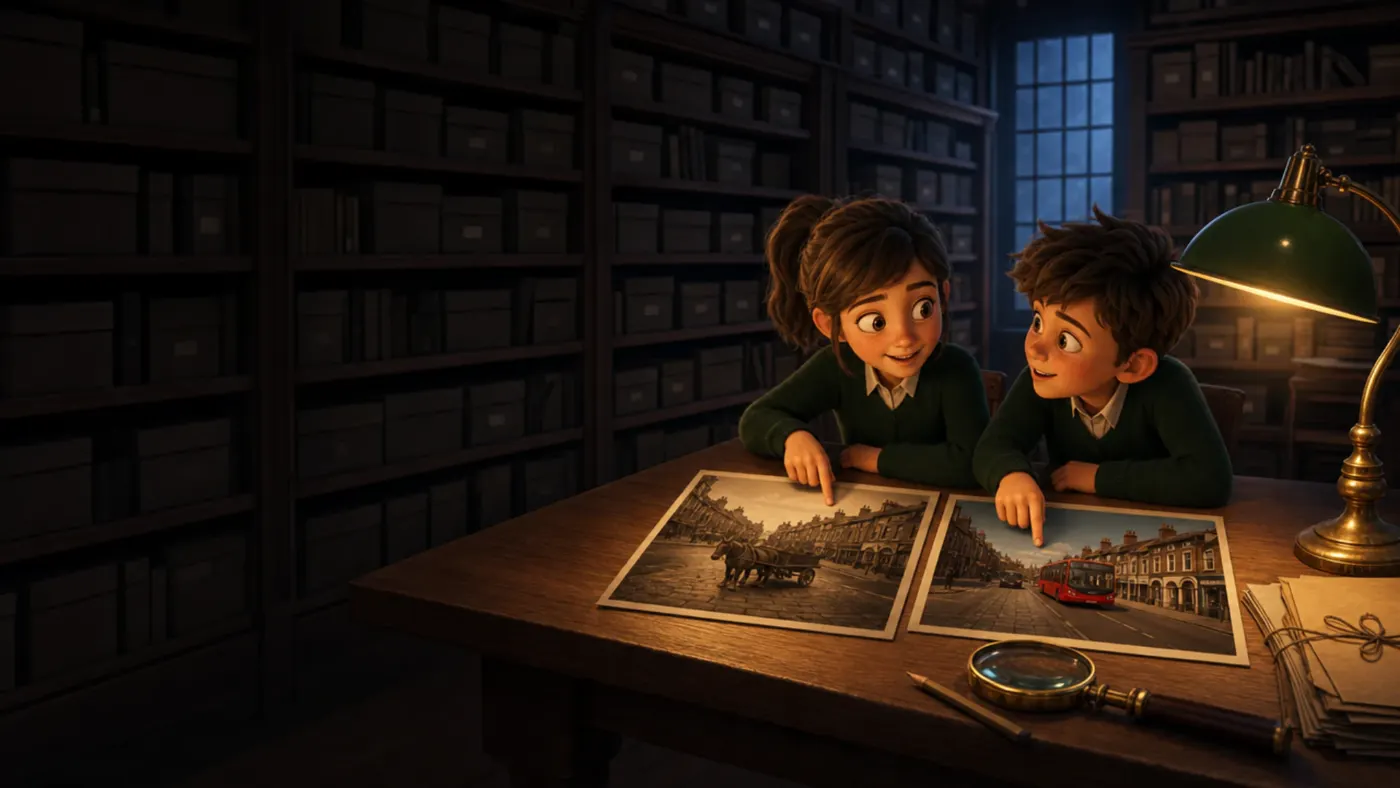
Similarities and Differences. Section 5 teaches comparison as a choice rather than a format. Three layouts are shown carrying the same single comparison, a table, a matrix and a narrative, and groups have to justify which one suits five landmarks against four criteria before presenting that reasoning to a different group who then question it. The matrix on screen is deliberately left with blank cells, because the unit holds area-level facts rather than a fact per landmark, and filling it is the class's own job. Activity 2 is the harder half: a generalisation is checked against the class's own sorting from Section 3 and revised to most rather than all, in public. Competency: Courage, in defending a claim under genuine challenge or changing it when the evidence says so.
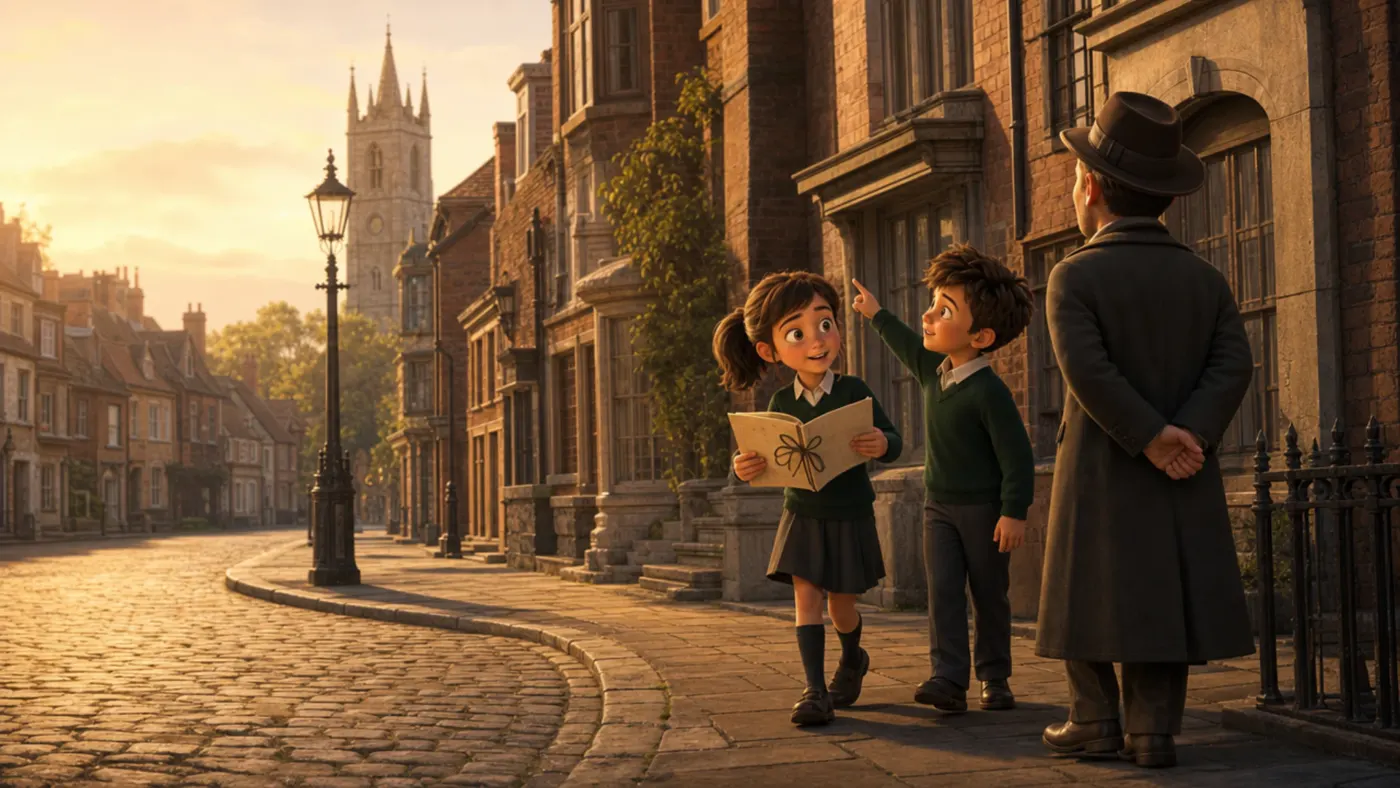
Perspectives and Interpretations. Section 6 asks whose story the class has actually been telling. The groups who gained and who found the change harder come straight back from Section 4, and a balanced account is defined carefully: not neutral about everything, but genuinely including the different people affected rather than only the person the story is usually told about. Interpretations changing over time is taught as a real and well-established feature of how history gets written, historians' own questions having broadened to include ordinary lives, rather than pinned to an invented date. The tour is the end product and the Guidebook is handed over as a gift. Competency: Community, as the class shows a visitor around the place they live.
By the end of the unit:
The Guidebook, a six-page booklet plus a cover built one page per section (Evidence, Timeline, Landmarks, Cause and Consequence, Similarities and Differences, Tour Script), delivered as a real guided tour of five local landmarks and then presented to the visitor.
A source is anything left behind from the past that a historian can use as evidence. Everything we say has to come out of one.
A primary source was made at the time being studied. A secondary source was made later, by somebody looking back at it.
Ask origin, purpose, audience and context of everything. All four, not just the one that is easiest to answer.
Records are strong on dates and weak on feelings. Newspapers carry lively detail and can be one-sided. A careful historian uses more than one type together.
A fact tells you what happened. Colour is the vivid human detail that helps you picture a person. The fullest account of a real life needs both.
An era is a stretch of time with things in common. A transition is the changeover between one era and the next, when old ways and new ways sit side by side.
Events in the right order, every label written in, and equal gaps for equal amounts of time. A badly spaced timeline misleads a reader.
Change is not automatically good or bad. The same change can look like progress to one person and decline to another.
Two things happening at around the same time is a correlation. It becomes causation only when evidence shows a real link.
A balanced account holds more than one point of view fairly. When the tour is over, ask whose story still did not get told.
Year 1
Each class investigates a significant person, place or event from their own local area.
Year 5
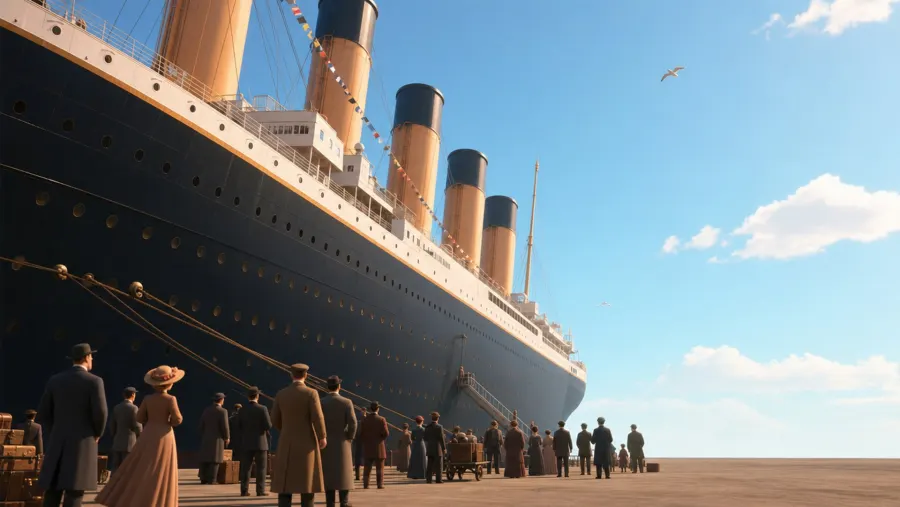
The class becomes a Board of Inquiry and investigates how an unsinkable ship came to sink.
Year 5
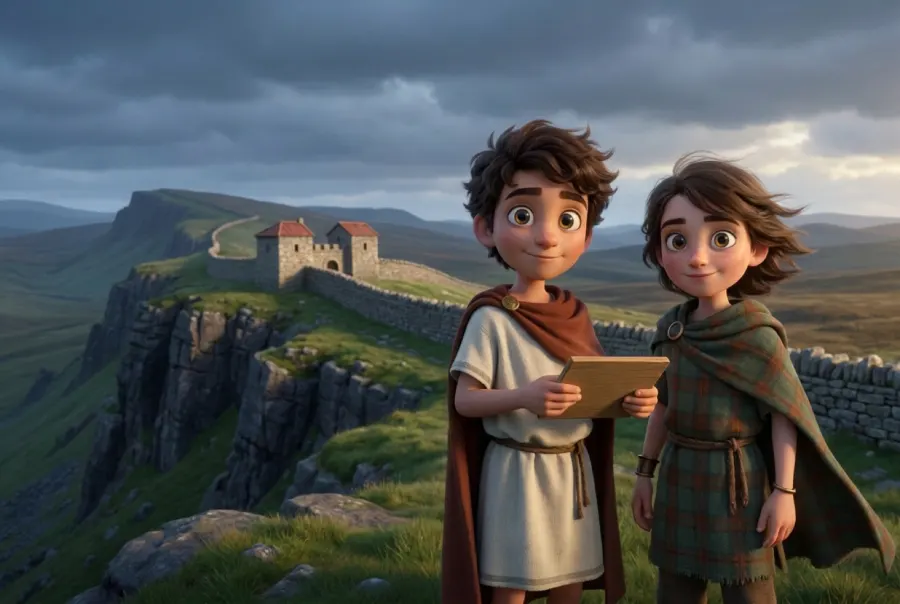
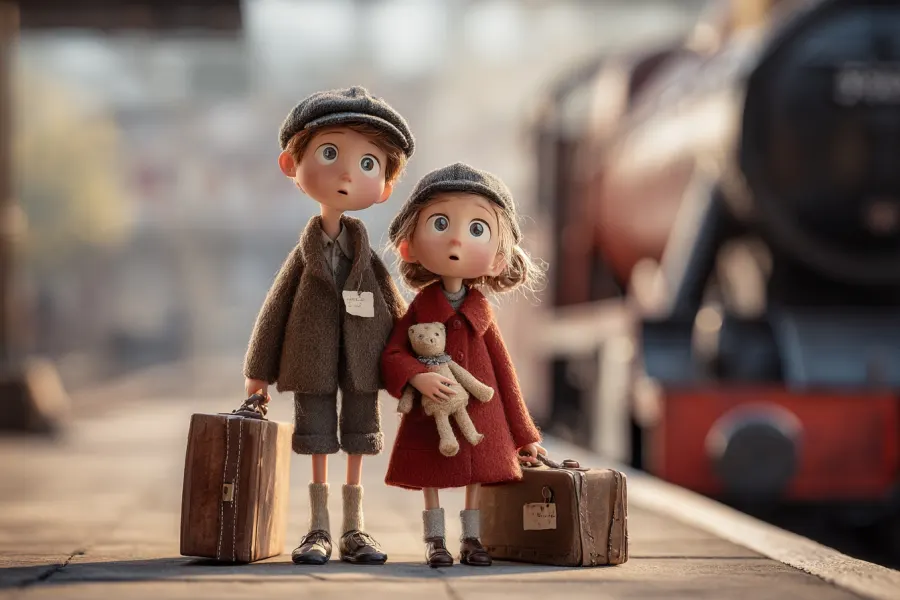
A birthday invitation written on wood, an empire that arrived twice, and where all of it actually sits in time.
Year 4
One family, one wireless announcement and a postbag of letters that carries the class through the war.
“As a primary pupil referral unit, creating genuine engagement is essential for our learners. We were looking for a curriculum that places children at the heart of everything and encourages them to immerse themselves in purposeful, meaningful activities. Dimensions has proved to be a strong fit because it enables our pupils to be active, curious learners rather than passive recipients of information. It brings learning to life in a way that motivates them and supports high-quality learning throughout. Plus, the children just love the curriculum!”
“Our school fully embraced the Dimensions curriculum and it has brought the world to our classrooms!”
“As a school we are really pleased with our decision to go with Dimensions. It has changed the way we teach our topic lessons as a school and has elevated the quality and diversity of the topics taught throughout KS1 and KS2. It is wonderful how the same theme can be so diverse across all age ranges and it has given teachers the confidence to explore themes they may not have taught previously.”
 Scoill Phurt Le Moirrey
“Dimensions Curriculum is amazing! We’ve used it for a few years now and the children absolutely love the different topics and are really engaged by the modern and relevant aspect of these. … Added to this is the amazing support that you get from the Dimensions team and nothing is ever too much trouble.”
“Introducing the curriculum has been a real game-changer for our team. It’s clear, well-structured, and genuinely supportive of high-quality teaching. Planning is now more streamlined and consistent, while still allowing flexibility for individual classes and teaching styles. The progression is easy to follow, expectations are clear, and it’s saved us valuable time without compromising creativity or impact. A thoughtfully designed resource that’s already making a positive difference in our classrooms.”
 Woodford Halse School
“As a class teacher I have really enjoyed using both the Dimensions Curriculum and 3D PSHE. Both products have been very well designed with clear, progressive and sequential plans, incorporating creative, engaging ideas and have given me the peace of mind to know I am teaching the children a quality curriculum. Wouldn’t expect anything less from a product designed by teachers, for teachers. Thank you Dimensions team!”
“The Dimensions 3D PSHE curriculum map, programs of study and enrichment unit are so well organised! I am very excited to use it all!”
“Children in my school using Dimensions are motivated to learn and can articulate what they are learning and why they are learning it. … The curriculum maps, knowledge organisers and other documents available for subject leadership are super handy and also save on workload. It is excellent value for money.”
“Introducing the curriculum has taken the weight off leaders knowing that everything is covered with clear progression documents. Children are getting the breadth and depth of coverage required. It has made a really positive impact especially when planning for mixed age classes. It is great to have the support available for ever changing class structures.”
 Beeston Primary School
“I have had an extremely positive experience with Dimensions. They are a fabulous company, producing products to a very high standard that really engage children. Their curriculum is amazing and using it, I have had outstanding progression, engagement and enjoyment both from the children and myself! I would wholeheartedly recommend Dimensions!”
“Music Crew gives teachers much more confidence when teaching music lessons. The children look forward to music and remember what they have learned from previously. The progression is excellent. Music Crew can be adapted to meet the needs of individual classes and the needs of the school.”
 Warton St. Paul’s CE School
“It allows teachers to do what they do best, create engaging schemes of work and lessons and then teach accordingly, safe in the knowledge that statutory demands are covered and progression ensured … Our successful inspection outcomes are testament to the confidence we have in Dimensions. I could not ask for more from Dimensions.”
“We contacted the Customer support team and requested a new document that had the lesson codes and learning objectives for each year group, for each term. They were more than happy to help and emailed the documents to us the same day which was very helpful and exactly what we needed.”
 St Andrew’s School
“As a teacher, working in an international school in Hong Kong I have followed the Dimensions Curriculum Thematic Units for a few years now, and I cannot recommend these resources highly enough. I absolutely love how it engages my students, by making learning fun, relevant and interesting for them. … Oh, and I should also mention all the time they save me in planning.”
“Absolutely loved using the Dimensions Curriculum. It was flexible and creative and allowed us to shape the learning in our school in such a way that it was relevant and purposeful for everyone involved, including the teachers! I enjoyed working with Elaine throughout, and found the support provided to myself as curriculum leader and the staff training given to be excellent.”
“I bought the PSHE Curriculum for my School. The resources are just fantastic! They are packed full of great ideas, easy to use and relevant. I would highly recommend all their resources to any teacher. It’s definitely the way forward.”
“From a teacher’s perspective, this curriculum has revitalized lesson planning. … Overall, this curriculum has been a game-changer. It has enhanced engagement, deepened learning, and created a more dynamic and enjoyable experience for both students and staff. We wholeheartedly recommend this approach to any ASD school …”
“We have worked with Elaine and the Dimensions team for over 5 years. The staff enjoy teaching the theme units and the pupils love their learning. Ofsted were very impressed with our curriculum and praised the creative learning and experiences the pupils were encountering. … Our school love it.”
“They are a fantastic company with a wealth of knowledge and understanding. Their products are inspiring, innovative, unique to the market and importantly they are fun and exciting. I would recommend every school to have a visit from Elaine or her team, it’s a decision you won’t regret!”
“Have used Dimensions to enhance our school curriculum for many years with much success and great results. The support of the Dimensions team and their curriculum has also helped us through two successful OFSTED visits! Would highly recommend.”
“We have seen the knowledge and skills of our children deepen and their experiences in the classroom and of the wider world have broadened. … We have made so many meaningful connections to our whole school vision and values.”
“Excellent curriculum resources with outstanding provision for all age groups.”