
Year 5
The Rescuers
The class becomes a Board of Inquiry and investigates how an unsinkable ship came to sink.
 Let’s talk
Three fights for fairness, six hundred years apart, and one question the class keeps coming back to. How have ordinary people fought for a fairer Britain, and did it work?.

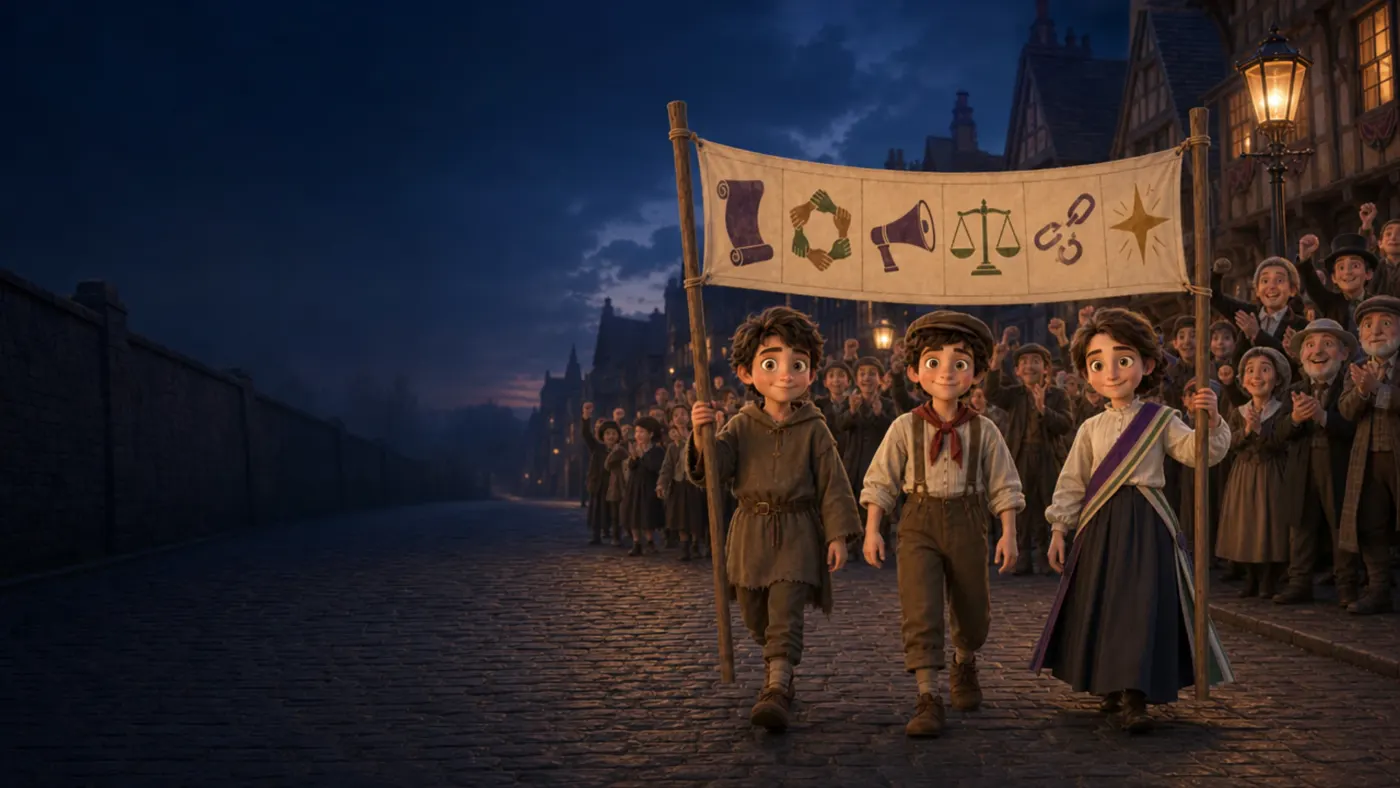
A Year 6 History scheme, six sections long, with no single figure at the centre of it because there is not one. Three separate movements, three centuries apart, are set against each other rather than taught one after another: the Peasants' Revolt of AD/CE 1381, the Tolpuddle Martyrs of AD/CE 1834 and the Suffragettes of the early 1900s. The unit opens by making six hundred years a physical distance, a line of tape a class can walk from end to end, and it closes on a question it refuses to answer for them: which fight mattered most, or is that even a fair question to ask? Two objects carry the whole unit. A Petition Scroll gains one clause per section and is read aloud in full at the very end. A Banner Strip gains one painted panel per section and is carried the length of the room. Both are opened empty in Section 1 and nothing is written on either until Section 2, which is what makes the first clause land. Every era date in the scheme is written in both naming systems, AD/CE and BC/BCE, so the unit works whichever one a school says aloud.
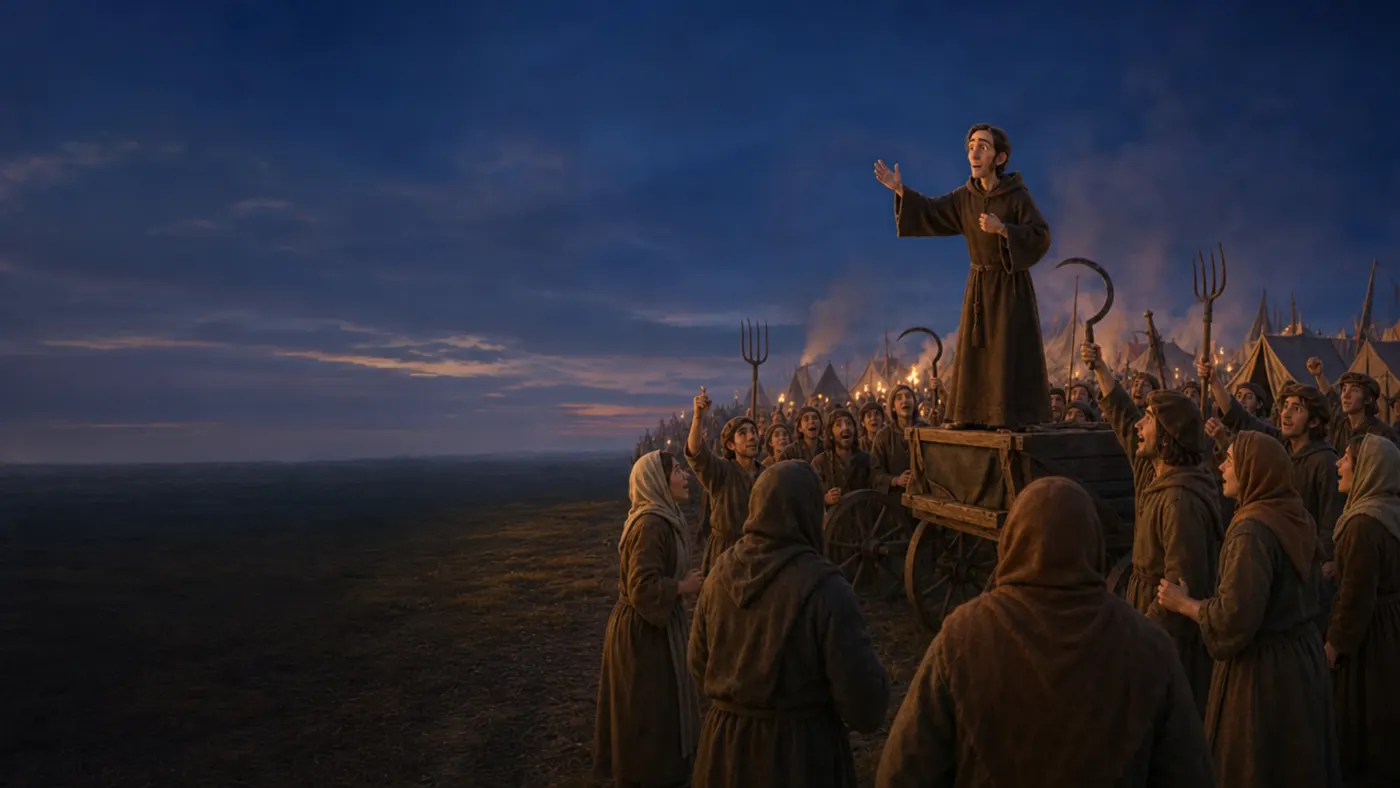
Chronology. Section 1 makes six hundred years physical before it makes them numerical. A blank line of tape is walked end to end, three undated cards are placed by instinct, and only then do the real positions go down, so the class feels the size of its own error rather than being told about it. Critiquing competing chronologies is the Year 6 objective and it gets a genuine task: two timelines of the same three events, Timeline A grouped into named eras and Timeline B in plain date order, judged against a question the pupil chooses. Neither is more correct, and the written answer has to say what the timeline they did not choose makes easier to see. Both sheets are teaching materials built for this activity rather than published sources, and the lesson says so out loud rather than letting a class believe it is critiquing a museum. Competency: Commitment, at the moment the true gap lands.
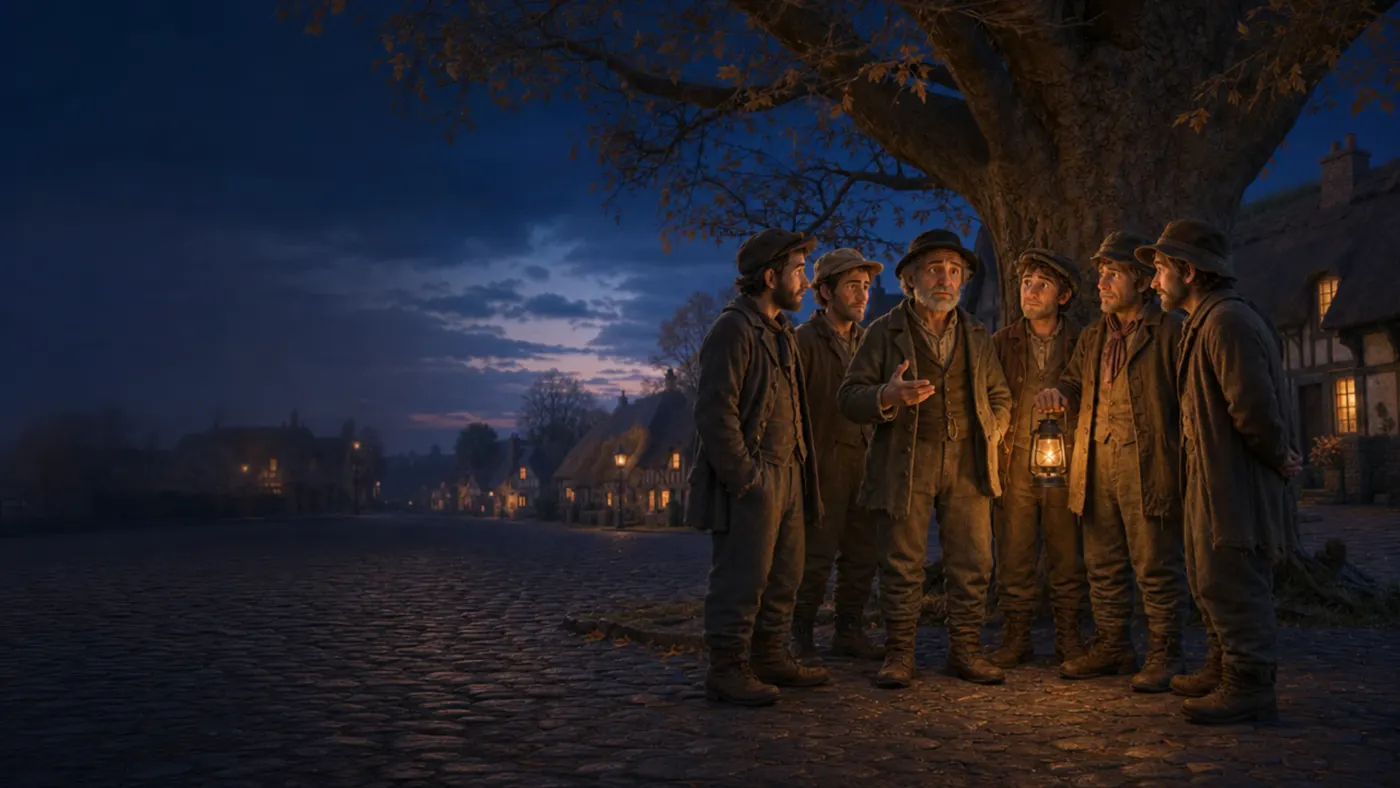
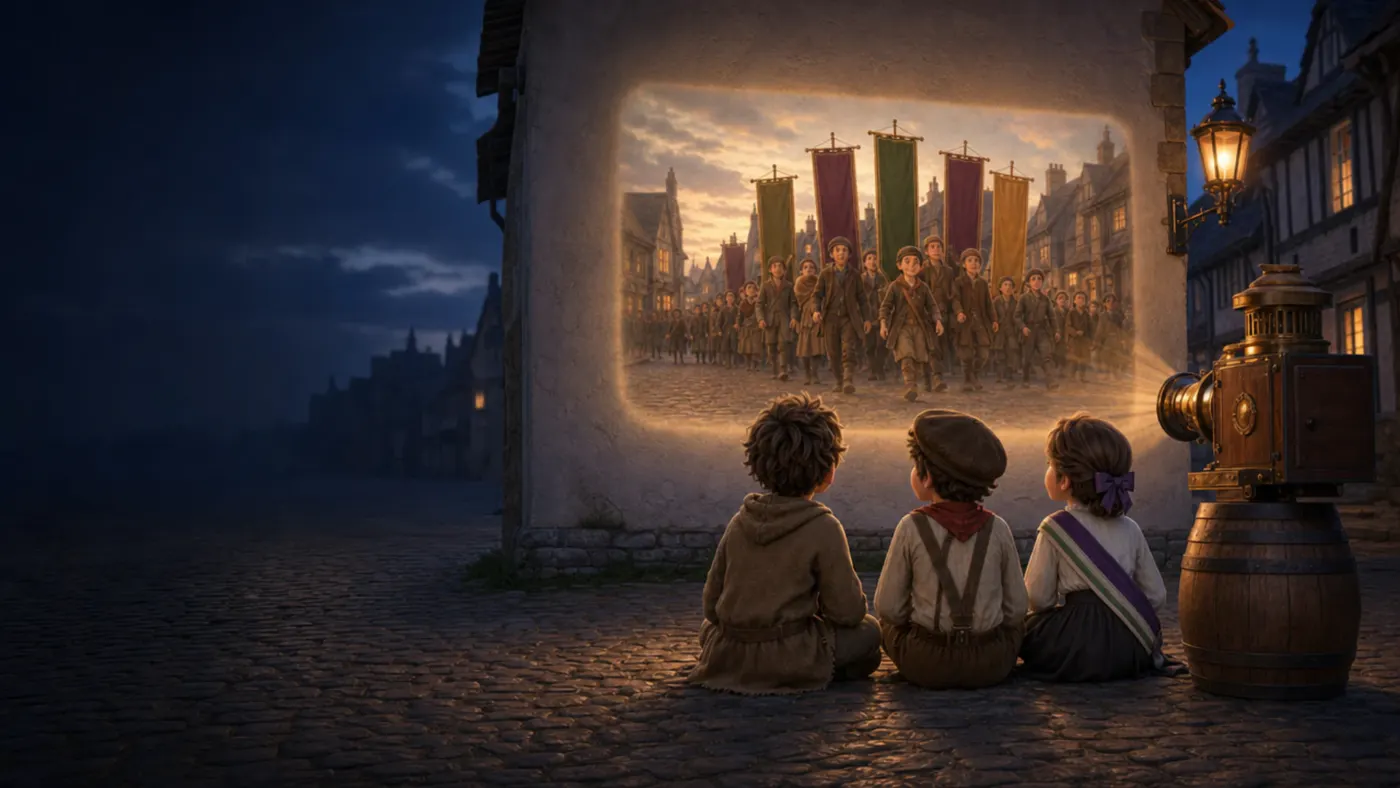
Evidence. Section 2 works on three genuine sources and one honest absence. A chronicler's account of the Peasants' Revolt, in a plain English retelling that is labelled as a retelling every time it appears, calls John Ball a foolish priest twice; the man who wrote it was not there, wrote more than ten years later and was writing for a courtly audience, and a class that spots all three has understood the section. The Tolpuddle Friendly Society's rulebook is set against the record of the court. A real photograph of Emmeline Pankhurst being carried away outside Buckingham Palace while trying to hand a petition to the King sits beside two headlines from the same magazine ten weeks apart, one hostile and one sympathetic. The absence is named plainly: no picture of the six Tolpuddle men made at the time survives that anyone can use, so the two courtroom scenes in the introductory film carry the words Artist's impression burned onto the screen for as long as they are up. Competency: Courage.
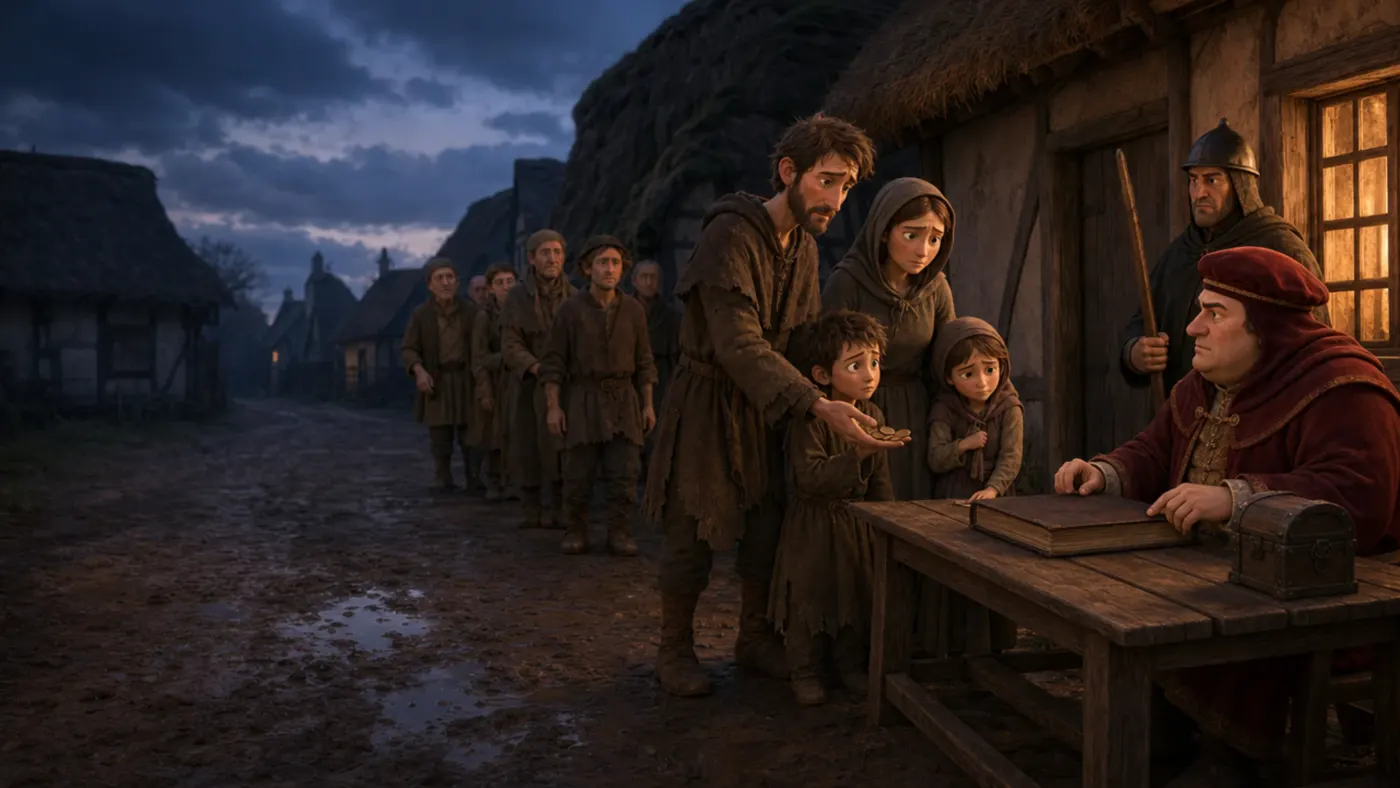
Cause and Consequence. Section 3 teaches that a trigger is the last thing to arrive and rarely the biggest, and it is built so a class that names one cause has visibly missed the objective. The scaffolding comes away in three steps across three protests, which is the most losable thing in the section: headings visible for the Peasants' Revolt, headings withdrawn for the Tolpuddle fuse, and no categories at all for the Suffragettes. The poll tax card is physically lifted out of the chain so the class can see that labour shortages, wage disputes and resentment of serfdom are all still sitting there without it. The founding of the WSPU in AD/CE 1903 is then used to break the formula on purpose: it was not a spark arriving from outside, it was itself a response to decades of frustration, and history does not always fit a pressure-plus-trigger shape. Consequences are sorted short, medium and long-term, and every long-term claim is worded as an interpretation because historians genuinely disagree about them. Competency: Community.

Continuity and Change. Section 4 changes the question from why to how, and puts the class on its feet for almost the whole first activity. Four methods are matched to their meanings, six real actions are read out one at a time while pupils run to whichever of three corners they think it belongs to, and the best oracy move in the unit sits inside that game: on one of the less obvious actions the class is frozen before the reveal, two pupils from different corners argue, and anybody persuaded may physically change position. A continuum then judges three shifts across six hundred years from Little changed to A real turning point, with the same permission to move. The payoff needs no new material at all: the Petition Scroll is unrolled with three clauses on it and the class is asked what has been true every single time. Methods changed enormously. Somebody writing a demand down and carrying it to a person in power did not. Competency: Creativity.
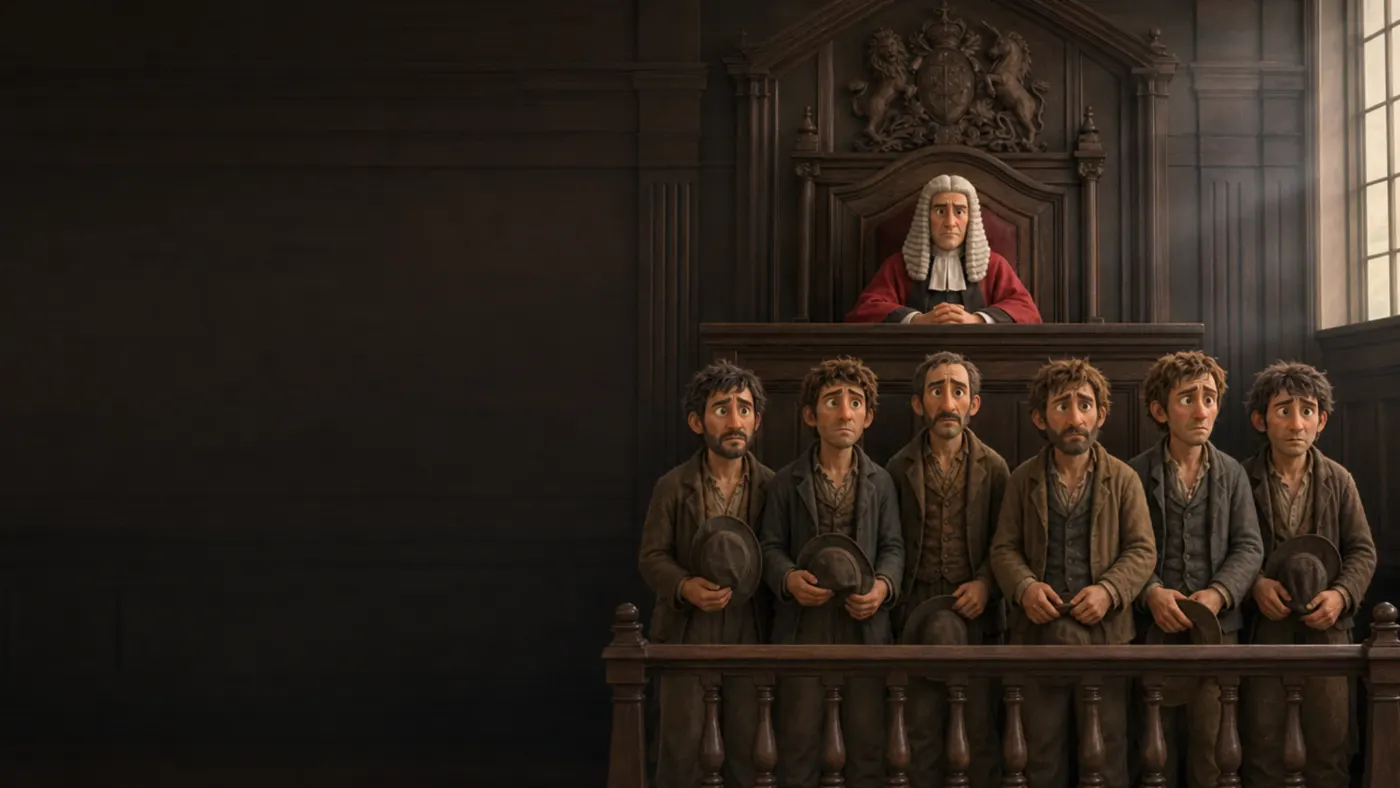
Perspectives and Interpretations. Section 5 sets each of the three movements beside its own changed verdict, then asks why all three moved the same way. The misinformation sort is where the disciplinary work is: four claims to place under well-evidenced, true but one-sided, or false or misleading, and the card that causes the arguments is the chronicler calling the rebels a lawless mob, which is not false at all. It is a real contemporary view, and it is one view. The class is taught that the strong answer to a weak claim is not that is false but that is too simple, because, and has to finish the sentence with evidence. The drama is deliberately fenced: the Suffragette in the conscience alley and the hot seat is an invented character based on real events, not a real named person, and the teacher says so before the drama and again after it. The written task then proves the whole idea, because both newspaper reports use the same real facts and only the emphasis moves. Competency: Courage.

Similarities and Differences. Section 6 introduces no new content whatsoever. Six shared criteria are built out of what the class already knows, with recap fact-packs drawn entirely from Sections 1 to 5 and the section named on each so that nobody is ever stuck guessing, and each group fills a three-column grid before adding it to a shared class board. Then significance itself is put up for argument: nine different ways of measuring whether a protest mattered, ranked into a diamond, with groups made to justify their top and bottom cards rather than reach a correct order. The debate that follows is on whether the three can fairly be ranked at all, and it is run in three timed stages with no winner declared, which must be said at the start rather than the end. The ending is not a task. The recordings come back, the scroll is read in full, the banner is carried, and the class is asked one more time what its answer to the enquiry question would be now. Competency: Commitment, for the section and for the unit.
By the end of the unit:
A completed Petition Scroll, six clauses long, written one clause per section in the class's own words and read aloud in full at the very end, plus a six-panel Banner Strip carried the length of the room. Along the way: an independent judgement on two competing timelines, a source analysis naming its sources properly, a three-stage narrative tracing short, medium and long-term consequences, a recorded Protest Voice kept for six weeks and played back at the end, two newspaper reports of the same event written from opposite sides, and a final written answer to the enquiry question.
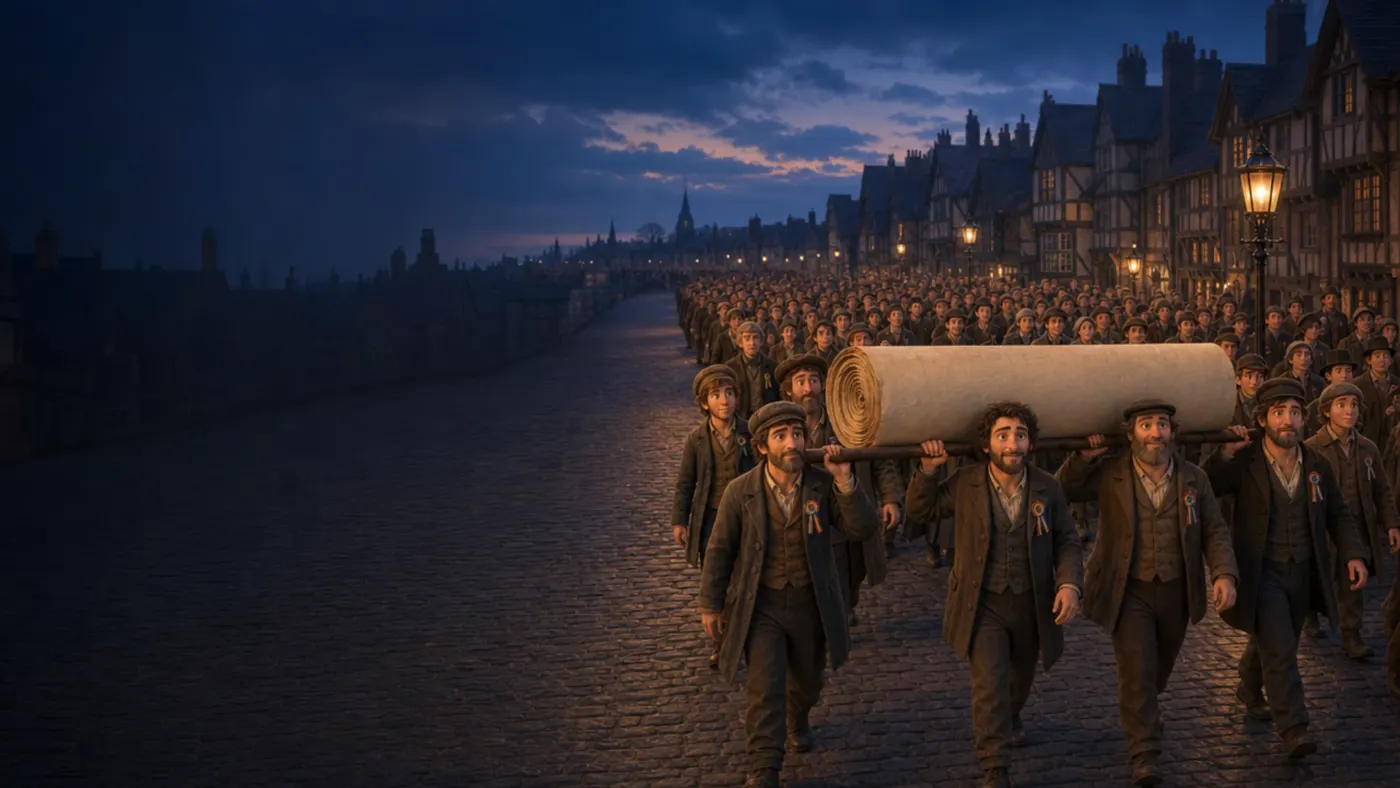
The Peasants' Revolt in AD/CE 1381, the Tolpuddle Martyrs in AD/CE 1834 and the Suffragettes in the early 1900s. This unit sets all three side by side.
AD/CE 1381 to AD/CE 1834 is four hundred and fifty three years. AD/CE 1834 to the Suffragettes is less than a hundred. Almost everybody guesses those two gaps the wrong way round.
The Black Death, a shortage of workers, laws holding wages down and anger about serfdom had all built up for years. The poll tax of AD/CE 1381 was the trigger, not the whole cause.
The rebels of AD/CE 1381 gathered, marched on London and met the young King Richard II face to face. Wat Tyler was killed, the revolt was put down, and the promises made were not kept.
In AD/CE 1833 six farm labourers in Tolpuddle in Dorset formed a Friendly Society to stop their wages being cut again. They met under a sycamore tree that is still standing.
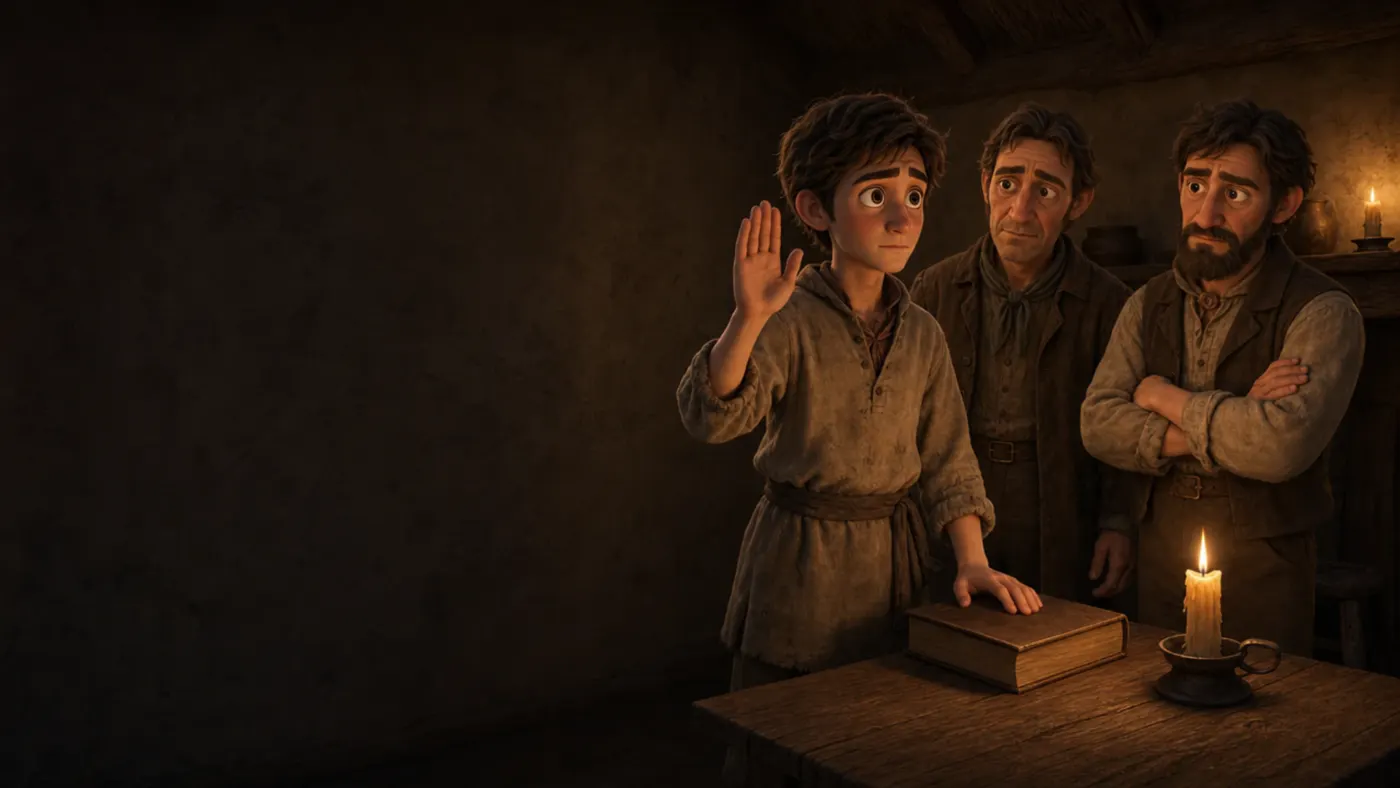
They were not tried for forming a union. They were charged with administering an unlawful oath, under a law from 1797 written to stop sailors mutinying, and sentenced to seven years of transportation.
A huge public campaign followed, with a petition carrying more than 800,000 signatures and a demonstration in London. The six men were given a full and free pardon in AD/CE 1836.
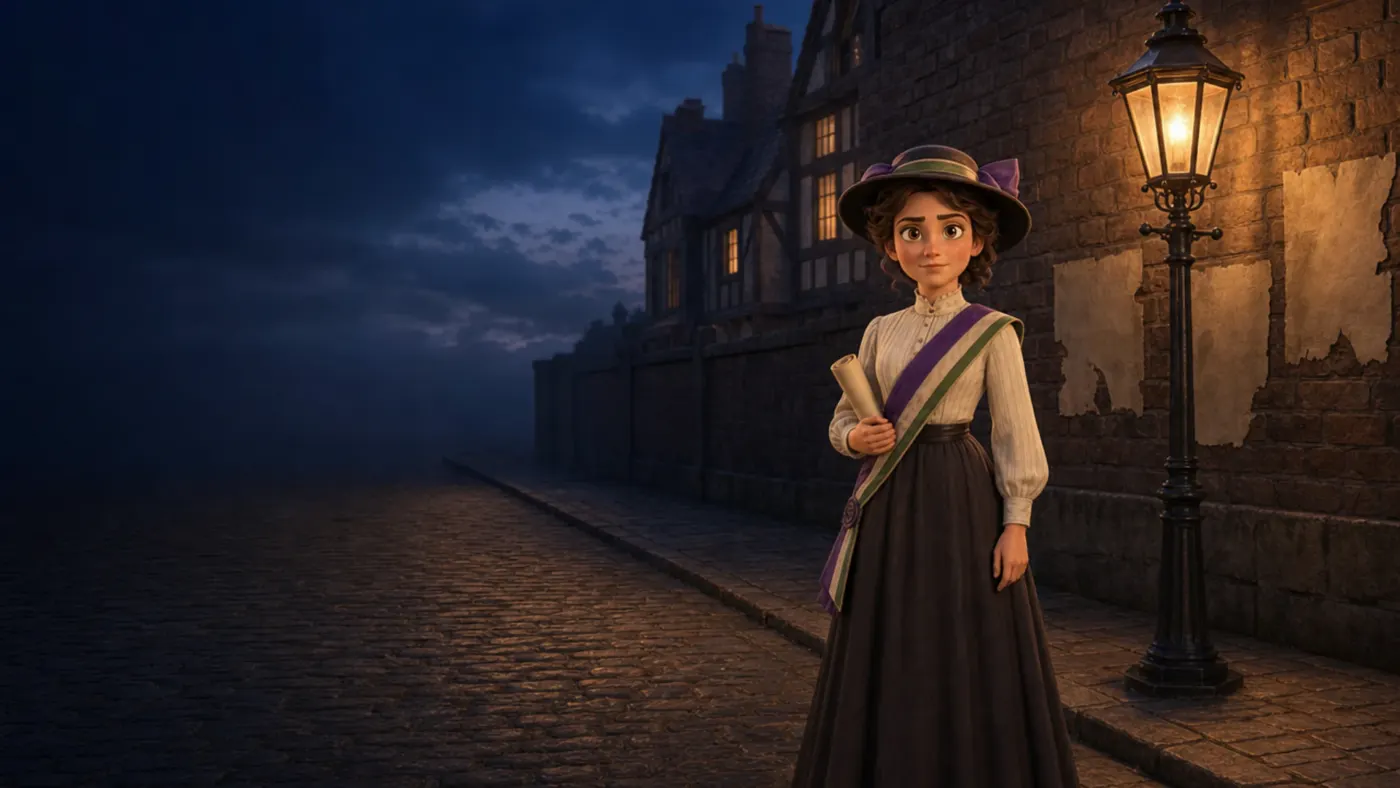
The Act of AD/CE 1918 gave the vote to some women aged thirty and over. It took the Act of AD/CE 1928 to give women the vote on the same terms as men, from the age of twenty-one.
The chronicler who described the AD/CE 1381 rebels called John Ball a foolish priest. He was not there and he wrote years later. It is still our best record of what Ball argued.
Gathering, oaths, petitions, marches, publicity and civil disobedience all came and went. Writing a demand down and taking it to someone in power happens in all three protests.


Year 5
The class becomes a Board of Inquiry and investigates how an unsinkable ship came to sink.

Year 4
One family, one wireless announcement and a postbag of letters that carries the class through the war.

Year 6
The woman who ruled Egypt as king, and the argument about her that is still going on.

Year 6
The Maya cities that emptied, the ones that did not, and the way of life that outlasted them all.
“As a primary pupil referral unit, creating genuine engagement is essential for our learners. We were looking for a curriculum that places children at the heart of everything and encourages them to immerse themselves in purposeful, meaningful activities. Dimensions has proved to be a strong fit because it enables our pupils to be active, curious learners rather than passive recipients of information. It brings learning to life in a way that motivates them and supports high-quality learning throughout. Plus, the children just love the curriculum!”
“Our school fully embraced the Dimensions curriculum and it has brought the world to our classrooms!”
“As a school we are really pleased with our decision to go with Dimensions. It has changed the way we teach our topic lessons as a school and has elevated the quality and diversity of the topics taught throughout KS1 and KS2. It is wonderful how the same theme can be so diverse across all age ranges and it has given teachers the confidence to explore themes they may not have taught previously.”
 Scoill Phurt Le Moirrey
“Dimensions Curriculum is amazing! We’ve used it for a few years now and the children absolutely love the different topics and are really engaged by the modern and relevant aspect of these. … Added to this is the amazing support that you get from the Dimensions team and nothing is ever too much trouble.”
“Introducing the curriculum has been a real game-changer for our team. It’s clear, well-structured, and genuinely supportive of high-quality teaching. Planning is now more streamlined and consistent, while still allowing flexibility for individual classes and teaching styles. The progression is easy to follow, expectations are clear, and it’s saved us valuable time without compromising creativity or impact. A thoughtfully designed resource that’s already making a positive difference in our classrooms.”
 Woodford Halse School
“As a class teacher I have really enjoyed using both the Dimensions Curriculum and 3D PSHE. Both products have been very well designed with clear, progressive and sequential plans, incorporating creative, engaging ideas and have given me the peace of mind to know I am teaching the children a quality curriculum. Wouldn’t expect anything less from a product designed by teachers, for teachers. Thank you Dimensions team!”
“The Dimensions 3D PSHE curriculum map, programs of study and enrichment unit are so well organised! I am very excited to use it all!”
“Children in my school using Dimensions are motivated to learn and can articulate what they are learning and why they are learning it. … The curriculum maps, knowledge organisers and other documents available for subject leadership are super handy and also save on workload. It is excellent value for money.”
“Introducing the curriculum has taken the weight off leaders knowing that everything is covered with clear progression documents. Children are getting the breadth and depth of coverage required. It has made a really positive impact especially when planning for mixed age classes. It is great to have the support available for ever changing class structures.”
 Beeston Primary School
“I have had an extremely positive experience with Dimensions. They are a fabulous company, producing products to a very high standard that really engage children. Their curriculum is amazing and using it, I have had outstanding progression, engagement and enjoyment both from the children and myself! I would wholeheartedly recommend Dimensions!”
“Music Crew gives teachers much more confidence when teaching music lessons. The children look forward to music and remember what they have learned from previously. The progression is excellent. Music Crew can be adapted to meet the needs of individual classes and the needs of the school.”
 Warton St. Paul’s CE School
“It allows teachers to do what they do best, create engaging schemes of work and lessons and then teach accordingly, safe in the knowledge that statutory demands are covered and progression ensured … Our successful inspection outcomes are testament to the confidence we have in Dimensions. I could not ask for more from Dimensions.”
“We contacted the Customer support team and requested a new document that had the lesson codes and learning objectives for each year group, for each term. They were more than happy to help and emailed the documents to us the same day which was very helpful and exactly what we needed.”
 St Andrew’s School
“As a teacher, working in an international school in Hong Kong I have followed the Dimensions Curriculum Thematic Units for a few years now, and I cannot recommend these resources highly enough. I absolutely love how it engages my students, by making learning fun, relevant and interesting for them. … Oh, and I should also mention all the time they save me in planning.”
“Absolutely loved using the Dimensions Curriculum. It was flexible and creative and allowed us to shape the learning in our school in such a way that it was relevant and purposeful for everyone involved, including the teachers! I enjoyed working with Elaine throughout, and found the support provided to myself as curriculum leader and the staff training given to be excellent.”
“I bought the PSHE Curriculum for my School. The resources are just fantastic! They are packed full of great ideas, easy to use and relevant. I would highly recommend all their resources to any teacher. It’s definitely the way forward.”
“From a teacher’s perspective, this curriculum has revitalized lesson planning. … Overall, this curriculum has been a game-changer. It has enhanced engagement, deepened learning, and created a more dynamic and enjoyable experience for both students and staff. We wholeheartedly recommend this approach to any ASD school …”
“We have worked with Elaine and the Dimensions team for over 5 years. The staff enjoy teaching the theme units and the pupils love their learning. Ofsted were very impressed with our curriculum and praised the creative learning and experiences the pupils were encountering. … Our school love it.”
“They are a fantastic company with a wealth of knowledge and understanding. Their products are inspiring, innovative, unique to the market and importantly they are fun and exciting. I would recommend every school to have a visit from Elaine or her team, it’s a decision you won’t regret!”
“Have used Dimensions to enhance our school curriculum for many years with much success and great results. The support of the Dimensions team and their curriculum has also helped us through two successful OFSTED visits! Would highly recommend.”
“We have seen the knowledge and skills of our children deepen and their experiences in the classroom and of the wider world have broadened. … We have made so many meaningful connections to our whole school vision and values.”
“Excellent curriculum resources with outstanding provision for all age groups.”