
“Having the ability to make it our own and having that clear progression within learning.”
Barton Farm Primary Academy, University of Winchester Trust
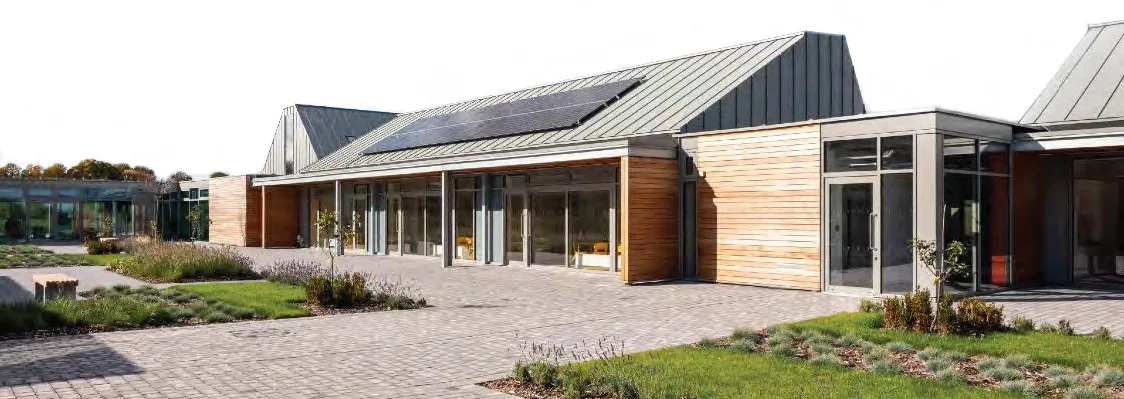
Hear it from Barton Farm Primary Academy.
“Having the ability to make it our own and having that clear progression within learning.”
What initially drew you to the Dimensions Curriculum, and what problem were you trying to solve?
As a new school, we opened in September 2020 and in our first few years we started building our own curriculum. We soon realised that building a cohesive, progressive curriculum was going to be no mean feat. We started looking at different curriculum providers, meeting with lots of them to see what they offered, and Dimensions really drew us in. The four Cs really aligned with our vision, our values and our ethos. The fact that it was an adaptive, not an adoptive, curriculum was really important to us because we have a clear vision and values, and our pedagogical approach is a little different to more traditional classrooms. Having the ability to make it our own and having that clear progression within learning, showing the building of knowledge and an overall cohesive curriculum, was really important to us.
“Dimensions team supported shaping and mapping our curriculum from the start.”
What was your expectations and how has the reality compared?
The golden thread through the four Cs is really effective and helps bring the curriculum together. Children begin with a launch assembly, then follow connected learning journeys across year groups, revisiting key themes and building on prior knowledge as they move through school. The roadmaps make this progression clear and show how learning links across different year groups, helping children compare and connect what they have learned. Dimensions supported us in shaping and mapping our curriculum from the start, making sure knowledge built progressively. Four years on, they are still quick to respond to questions, tweaks or feedback, and that ongoing collaboration has been really valuable.
“Ofsted praising our ambitious curriculum and exceptional learning.”
How has the curriculum been viewed by Ofsted or any external visitors?
We have worked closely with our Governors, sharing the big picture documents to help explain the curriculum overview. They then came in to see it in action, so they now have a clear understanding of what Dimensions brings us and how we teach through it. With Ofsted, we were inspected four years ago and received outstanding in every area. They commented that our curriculum was ambitious and that the children’s learning was exceptional. For example, some of our Year One pupils were writing obituaries, which impressed inspectors. They also noted how knowledge built progressively and how children could explain this through the big picture and floor books.
“Because many of our schools use Dimensions, we can share practice, ideas and planning.”
How has the curriculum improved your workload?
The curriculum has improved staff workload by giving the staff a strong platform to work from first of all. I think that it allows teachers to use their own ideas gives you another perspective to look at. There is a sense that the curriculum flows nicely as well between the different subjects so staff are not having to think as much about the links they can make because it’s already there for them. Staff have noted that their enjoyment of teaching has increased significantly because they can focus on their pupils and the experiences they can have in their learning.
“National Curriculum coverage is mapped out really clearly through Dimensions.”
How does the thematic approach support your national curriculum coverage?
The National Curriculum coverage is mapped out really clearly through Dimensions and the thematic curriculum allows all of that to be brought together. For example, history objectives can be linked with science objectives which can then be linked with music objectives. The coverage is clear and it’s brought together in a engaging, thematic way for the children.
“We can make sure the curriculum fits our children.”
How does the curriculum support pupils with SEND or EAL?
The fact that Dimensions is an adaptive not an adoptive curriculum lends itself to all learners in our school. We can take the learning journeys that Dimensions have supported us in mapping out and adapt it for all our learners regardless of whether they are SEND, EAL or greater depth learners. We can make sure the curriculum fits our children and our learners by taking the journey mapped out by Dimensions and making it our own.
How effectively do the pupils connect learning across theme?
The thematic basis of Dimensions curriculum means that there’s lots of opportunity for the pupils to make connections in their learning. The flow of concepts, for example, a history concept may flow into an art concept, means that there is a smooth pathway of learning. Its easy then for the children to recognise that, yes for example, the rainforest topic has elements of history, has elements of art and has elements of geography all the way through. This then deepens their understanding for subject but then connects all the subjects together.
“It was a purposeful and memorable outcome”
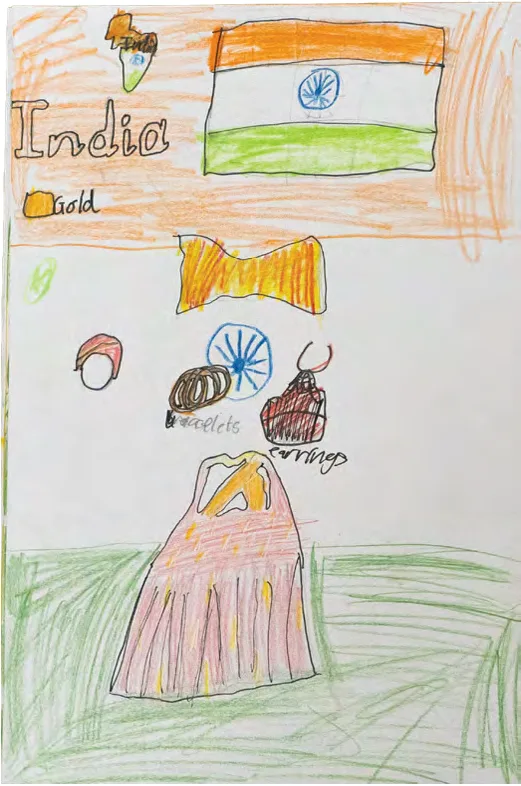


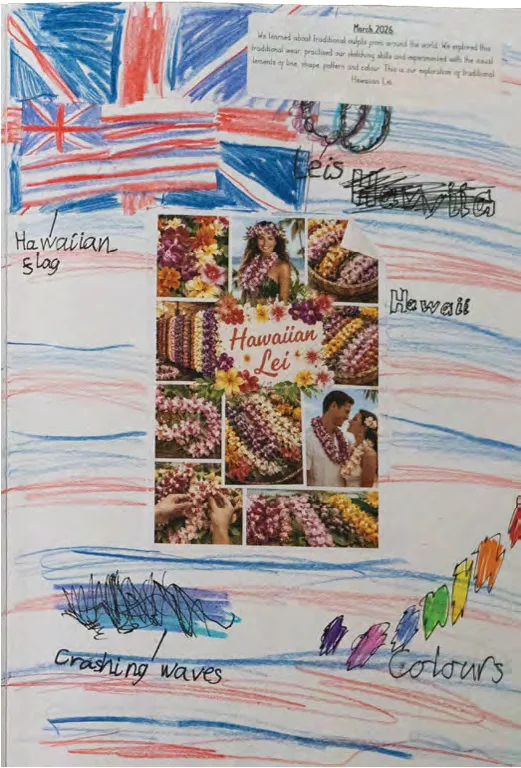
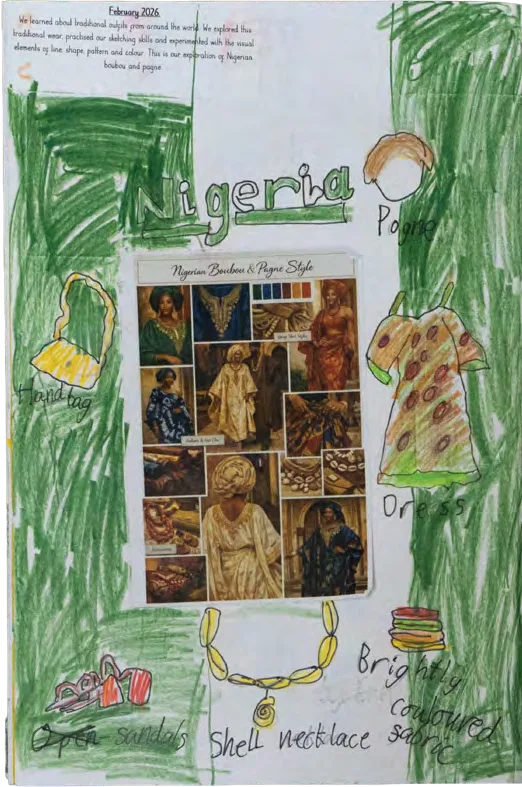
“we get really excited about how we can present it to the children.”
What impact has the curriculum had on staff well-being and enjoyment of teaching?
Our well-being and enjoyment of teaching has grown since we’ve been using Dimensions Curriculum. We thoroughly enjoy the things that we do and we get really excited about how we can present it to the children. We have so much the fun with them in class.
“Our children are highly engaged by the Dimensions Curriculum.”
What difference or how have you noticed pupil engagement and motivation?
Our children are highly engaged by the Dimensions Curriculum. For example, during the No Place Like Home unit, the pupils loved learning about castles and palaces. We even had children who went to London after learning about them to see Buckingham Palace! The pupils are demonstrating lots of ways they can link their learning inside the school and outside, too.
“The curriculum creates lots of links between what the children are learning.”
How effectively do the pupils connect learning across themes?
The thematic basis of Dimensions curriculum means that there’s lots of opportunity for the pupils to make connections in their learning. An example of this was when the pupils recalled their learning about the past from a unit they’d done earlier in the year. It was about the hats people wore in the past and they could link this learning to an historical aspect of another them. They’re always building those connections and say “I remember when we learned this..” or “this is a bit like when we did that”. It’s great for them to solidify that learning.
“We love that it is a completely comprehensive curriculum.”
What would you say to another school that was looking at adopting Dimensions curriculum?
I would tell them how much we love it! Our children love it, we really love it. We love that it is a completely comprehensive curriculum but it also gives us the opportunity to adapt what we need for our children and put our own flair on things when we want to. Many of the schools in our MAT use it too. It works well because we can share good practice, share great ideas, share where things have been really successful.
“We put our own flair on things.”


 Scoill Phurt Le Moirrey
 Woodford Halse School
 Beeston Primary School
 Warton St. Paul’s CE School
 St Andrew’s School